In Kentucky, prescribing nurse practitioners need collaborative agreements with a physician: a CAPA-NS for non-controlled drugs and a CAPA-CS for controlled substances. Kentucky is classified as a reduced-practice state by AANP. After four years, APRNs can apply to discontinue agreements. Schedule II prescriptions are limited to 72-hour supply with specific exceptions. First-year controlled substance prescribers must meet quarterly with their physician. There is no physician ratio cap.
Quick Answer: Kentucky is a reduced-practice state for APRNs, and the collaboration framework for APRN practice is governed by 201 KAR 20:057 together with Kentucky Board of Nursing APRN practice and prescriptive-authority rules. For controlled substances, APRNs also have to meet federal DEA prescription requirements under 21 C.F.R. Part 1306.
Significant regulatory shifts in recent years. The state's legislative changes—particularly Senate Bill 94 and subsequent reforms—have created a two-tiered system where experienced practitioners can achieve substantial independence while newer NPs operate under structured collaborative frameworks. These regulatory changes in Kentucky reflect broader trends across the country, where evolving state policies and the expanding NP role are shaping healthcare delivery and access.
This guide provides a complete roadmap of what Kentucky requires, how the system actually functions, and why understanding your pathway matters for sustainable practice. Over 50 years of research have demonstrated that nurse practitioners are highly effective in improving patient outcomes across a broad range of healthcare services, underscoring the essential contributions of the NP role in practice, education, advocacy, research, and leadership.
Additionally, Kentucky APRNs must complete 5 contact hours of pharmacology continuing education annually (November 1 through October 31). APRNs with active national certification satisfy the 14-hour general RN CE requirement through their certification. For DEA/KASPER registrants, at least 3 of the 5 pharmacology hours must cover pain management or addiction disorders. APRN licenses renew annually by October 31, with a $55 renewal fee per APRN designation.
Find a Collaborating Physician in Kentucky
49 verified physicians ready to collaborate · Fees $449–$1,049/mo
Dr. Phalgoon S. is a physician with extensive experience caring for patients in critical care and pulmonary medicine, providing evidence-based treatment for individuals with complex acute and chronic medical conditions. His clinical background includes managing high-acuity patients in the Intensive Care Unit (ICU) as well as collaborating with multidisciplinary teams in specialized pulmonary practice. Throughout his career, Dr. Phalgoon S. has worked closely with Nurse Practitioners in both critical care and outpatient specialty settings. His experience includes developing comprehensive treatment plans, managing complex respiratory illnesses, and continuously refining therapies based on each patient's unique clinical presentation. He is committed to delivering individualized, patient-centered care while fostering strong interdisciplinary collaboration. Dr. Phalgoon S. values the important role Nurse Practitioners play in expanding access to high-quality healthcare and believes collaborative practice strengthens both patient outcomes and provider development. His approach emphasizes evidence-based medicine, open communication, and shared clinical decision-making. Areas of Expertise • Critical Care Medicine • Intensive Care Unit (ICU) Management • Pulmonary Medicine • Acute Respiratory Illness • Chronic Respiratory Disease Management • Complex Medical Care • Diagnostic Evaluation • Evidence-Based Treatment Planning • Multidisciplinary Care Coordination • Clinical Consultation • Collaborative Practice • Acute & Chronic Disease Management Philosophy of Collaboration Dr. Phalgoon S. believes physician–NP collaboration is built on mutual respect, trust, and a shared commitment to delivering exceptional patient care. Having worked closely alongside Nurse Practitioners in both critical care and pulmonary medicine, he has seen firsthand the expertise, clinical judgment, and compassion they bring to patient care. His collaborative approach focuses on developing evidence-based treatment plans, discussing complex clinical cases, and tailoring management strategies to each patient's unique needs. He believes collaboration should encourage open communication, shared problem-solving, and continuous learning while allowing Nurse Practitioners to practice confidently and independently within their scope. Dr. Phalgoon S. is a strong advocate for NP-led practices and supports expanding access to high-quality healthcare through collaborative models that empower advanced practice providers. His goal is to serve as an accessible and dependable physician partner who helps Nurse Practitioners provide safe, comprehensive, and patient-centered care while promoting professional growth and clinical excellence. Dr. Shah is not comfortable participating in collaborations that involve Schedule II controlled substance prescribing.
Licensed to collaborate with Kentucky nurse practitioners

Board-Certified in Internal Medicine & Infectious Diseases | Primary Care, Weight Loss Expert About Dr. Dan S. Dr. Dan S. is a board-certified Internal Medicine and Infectious Disease physician with over 21 years of experience in primary care, chronic disease management, and specialized treatment across both outpatient and inpatient settings. Based in Dallas, Texas, he has served in multiple clinical and hospital leadership roles, offering patients comprehensive, personalized care. In recent years, Dr. Dan S. has expanded his practice focus to include medical weight loss, IV infusion therapy, telemedicine, and wound care, applying a preventive and integrative approach to help patients meet their health goals. Areas of Expertise • Primary Care & Chronic Disease Management • Medical Weight Loss & Lifestyle Medicine • IV Infusion Therapy & Nutritional Support • Telemedicine & Remote Patient Monitoring • Wound Care & Infection Management • Diabetes, Stroke, Anemia & Infectious Disease Collaboration with Nurse Practitioners Dr. Dan S. is a dedicated and supportive collaborator who has worked with Nurse Practitioners across various clinical environments. He offers accessible guidance, evidence-based oversight, and respect for NP autonomy, making him an ideal partner for NPs managing diverse patient populations or expanding into specialized services like weight loss, IV therapy, or telehealth. With a calm, solutions-oriented approach, Dr. Dan S. is committed to helping NPs deliver exceptional, compliant care—whether in clinic-based, virtual, or hybrid settings. He welcomes collaboration opportunities with NPs who are passionate about preventive care, innovative treatment models, and patient empowerment.
Licensed to collaborate with Kentucky nurse practitioners

Dr. Svetlana F. is a board-certified psychiatrist with more than ten years of clinical experience across inpatient, outpatient, and consultation-liaison psychiatry. She completed her psychiatry residency at the University of Louisville School of Medicine and currently serves as an attending psychiatrist at Mercy Health System in Kentucky, where she provides comprehensive psychiatric care to diverse patient populations. Dr. Svetlana F. has a strong track record of working in multidisciplinary settings and is experienced in managing acute psychiatric conditions, complex comorbidities, and medically ill patients requiring psychiatric input. She is deeply committed to teaching and has extensive experience training, supervising, and collaborating with psychiatric nurse practitioners in both hospital and ambulatory environments. References are available upon request. Areas of Expertise • Inpatient Adult Psychiatry • Outpatient Psychiatric Evaluation & Medication Management • Consultation-Liaison Psychiatry • Acute Crisis Stabilization • Management of Mood & Anxiety Disorders • Psychopharmacology • Psychiatric Care for Medically Complex Patients • Supervision & Training of Psychiatric NPs • Interdisciplinary Care & Collaborative Treatment Planning Philosophy of Collaboration: Dr. Svetlana F.’s collaborative style centers on open communication, accessibility, and shared clinical decision-making. She values structured support, timely consultation, and fostering an environment where psychiatric NPs can grow clinically while maintaining confidence and autonomy in patient care. Her goal is to build strong, respectful partnerships that ensure safe, evidence-based treatment and seamless continuity of care across clinical settings.
Licensed to collaborate with Kentucky nurse practitioners
See all 49 collaborating physicians in Kentucky
Dr. Fares A is a board certified OB/GYN with over a decade of clinical experience, having practiced since 2014. In addition to his work in women's health, he serves as a medical director for a men's health and TRT clinic, giving him a broad perspective on hormonal management, preventive care, and patient-centered treatment models. Dr. Alqara is experienced in multi-state physician-NP collaboration agreements and understands the nuances of regulatory compliance in different states. His approach combines deep medical expertise with business and operational insight, gained through ownership and leadership of multiple medical practices. He is committed to clear communication, timely support, and ensuring nurse practitioners have the resources they need to deliver high-quality, complaint care. With a proven track record mentoring and working alongside advanced practice providers, Dr. A offers a responsive, reliable, and supportive collaboration experience.
Licensed to collaborate with Kentucky nurse practitioners
Dr. Jose O. is a triple board-certified physician in Pulmonary, Critical Care, and Sleep Medicine with more than a decade of attending-level experience across academic, community, and tele-ICU settings. His diverse clinical background also includes hospitalist, nocturnist, and emergency medicine experience, giving him a broad perspective on both complex specialty care and general acute medicine. Dr. Jose O. currently practices bedside pulmonary and critical care at Houston Methodist and provides tele-ICU coverage for more than 35 hospitals across 15 states. He maintains active medical licenses in 29 states and DEA registration in 19 states, allowing him to support NP-led practices across a wide geographic footprint. His clinical expertise includes pulmonary conditions such as COPD and asthma, complex respiratory care, sleep apnea diagnosis and management, critical care, and acute inpatient medicine. His broad hospitalist and emergency medicine experience also allows him to confidently review a wide range of primary and urgent care presentations. Throughout his career, Dr. Jose O. has supervised residents, medical students, and advanced practice providers. He has also served as a medical director for a nonprofit clinic providing care to uninsured patients. In addition to his clinical experience, he holds an Executive MBA from Rice University, giving him an understanding of the operational and business considerations involved in developing and managing a medical practice. Areas of Expertise • Pulmonary Medicine • COPD Management • Asthma Management • Complex Respiratory Care • Sleep Medicine • Sleep Apnea Diagnosis & Management • Critical Care Medicine • Acute Inpatient Medicine • Hospitalist Medicine • Nocturnist Medicine • Emergency Medicine • Primary & Urgent Care Consultation • Complex Clinical Case Review • Tele-ICU Medicine • Advanced Practice Provider Supervision & Mentorship • Clinical Education & Training • Practice Operations & Business Strategy Philosophy of Collaboration Dr. Jose O. takes a responsive, practical, and supportive approach to collaboration. He understands that NP-led practices need a collaborating physician who is accessible, communicates clearly, and provides timely clinical support. He is easy to reach, completes chart reviews promptly, and remains available for real-time questions involving complex or urgent clinical situations. He views NPs as capable clinicians who take ownership of their practices and believes collaboration should provide meaningful clinical support without unnecessarily limiting their professional autonomy. His broad experience across pulmonary, critical care, hospital medicine, emergency medicine, and telemedicine allows him to offer practical guidance across a wide range of patient presentations. He is enthusiastic about supporting NP-led practices, helping clinicians grow their confidence and capabilities, and expanding access to high-quality patient care.
Licensed to collaborate with Kentucky nurse practitioners
Dr. Oleksandr O. is a board-certified psychiatrist with more than four decades of clinical experience, providing compassionate and comprehensive care for diverse patient populations. He is dually trained in medicine and neurology, having completed his medical education in Europe before pursuing psychiatric residency training in the United States. Dr. Oleksandr O. operates a well-established psychiatric practice in Lebanon, Tennessee, and also provides care at Western State Hospital in Kentucky and a clinic in Sunrise, Florida. His practice offers both in-person and telemedicine services, with a focus on accessibility for patients across multiple states. With expertise in treating a wide range of mental health conditions Dr. Oleksandr O. is particularly experienced in the management of depression, bipolar disorder, seasonal affective disorder, and other complex psychiatric conditions. He is fluent in English, Russian, and Ukrainian, allowing him to effectively serve patients from varied cultural and linguistic backgrounds. Areas of Expertise: • Adult Psychiatry • Mood Disorders (Depression, Bipolar Disorder, Seasonal Affective Disorder) • General & Complex Psychiatric Care • Telemedicine & Multistate Practice • Neurology & Psychiatry Integration • Multilingual Care (English, Russian, Ukrainian) Philosophy of Collaboration: Dr. Oleksandr O. values open communication, cultural sensitivity, and patient-centered care. He is committed to supporting Nurse Practitioners with clinical guidance and mentorship, ensuring providers have the tools and confidence to deliver exceptional psychiatric care. TENNESSEE: DUE TO TENNESSEE'S ELEVATED CHART REVIEW REQUIREMENTS (20% OF ALL CHARTS AND 100% OF CONTROLLED SUBSTANCE CHARTS), COLLABORATION FEES WILL ADJUST BASED ON CHART VOLUME. THE FIRST 30 CHARTS REQUIRING REVIEW ARE INCLUDED IN THE MONTHLY FEE. IF THE NUMBER OF CHARTS TO BE REVIEWED EXCEEDS 30, THE MONTHLY FEE WILL INCREASE BY $250 FOR EACH ADDITIONAL BLOCK OF UP TO 30 CHARTS.
Licensed to collaborate with Kentucky nurse practitioners
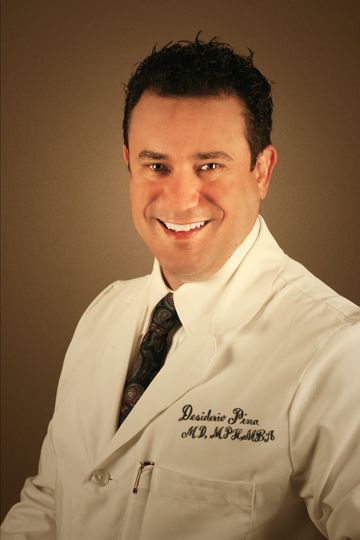
Dr. Desiderio P. is a double board-certified psychiatrist in General Psychiatry and Psychosomatic Medicine (Consultation-Liaison Psychiatry) with a diverse and accomplished career spanning clinical practice, healthcare leadership, medical education, research, and innovation. Originally from New York, Dr. Desiderio P. has practiced medicine across multiple regions of the United States and internationally, bringing a broad perspective to patient care and healthcare system development. His academic background includes studies in Cell Biology, Human Physiology, Zoology, and Computer Systems Theory and Design, followed by earning his Doctor of Medicine and Master of Public Health degrees, with a focus on healthcare management and public health policy. Throughout his career, Dr. Desiderio P. has served in leadership roles as Chief of Specialty Medical Services for hospitals, clinics, and community mental health centers, while also maintaining an active clinical practice treating complex psychiatric and medical conditions. Dr. Desiderio P. has extensive experience in consultation-liaison psychiatry, neuropsychiatry, integrated behavioral healthcare, and the management of patients with co-occurring psychiatric and medical illnesses. In addition to clinical work, he has held academic appointments and taught medical, nursing, and healthcare professional students at institutions including Wright State University School of Medicine, the University of Rochester School of Medicine, Indiana University School of Medicine, and the University of Notre Dame. He has also been a visiting fellow at Columbia University’s Brain Stimulation and Neuromodulation Center. Beyond medicine, Dr. Desiderio P. is deeply involved in research, healthcare innovation, artificial intelligence, systems design, and interdisciplinary problem-solving. His work reflects a commitment to integrating scientific rigor, technological advancement, and human-centered care to improve healthcare delivery and patient outcomes. Areas of Expertise • General Adult Psychiatry • Consultation-Liaison Psychiatry (Psychosomatic Medicine) • Neuropsychiatry • Integrated Behavioral Health • Psychiatric Management of Complex Medical Conditions • Mood Disorders • Anxiety Disorders • Psychopharmacology & Medication Management • Neurostimulation & Neuromodulation • Healthcare Systems & Clinical Leadership • Medical Education & Mentorship • Public Health & Healthcare Policy • Healthcare Innovation & Artificial Intelligence Applications • Interdisciplinary Care Coordination Philosophy of Collaboration Dr. Desiderio P. believes that the most effective healthcare is built through collaboration, curiosity, and a shared commitment to improving patient outcomes. He views physician–NP collaboration as a partnership that combines diverse perspectives, experiences, and skill sets to provide comprehensive, patient-centered care. His collaborative style is supportive, accessible, and intellectually engaging. He values open communication, thoughtful discussion, and mutual respect while encouraging clinical autonomy and professional growth. Drawing from decades of experience in leadership, education, and multidisciplinary care environments, he enjoys mentoring clinicians and helping them develop confidence in clinical reasoning, diagnostic assessment, and treatment planning. Dr. Desiderio P. approaches collaboration with empathy, humor, and a non-judgmental mindset. He believes that continuous learning and shared problem-solving strengthen both providers and healthcare systems. His goal is to foster collaborative relationships where Nurse Practitioners feel supported, empowered, and equipped to deliver exceptional, evidence-based care while continuing to grow professionally.
Licensed to collaborate with Kentucky nurse practitioners

Dr. Linh D. is a board-certified psychiatrist based in Florida, serving patients of all ages with a focus on holistic, integrative mental health care. She is founder and Medical Director at Beacon Psychiatry in Trinity, FL, where she offers both in-person and telehealth psychiatry, emphasizing personalized, evidence-based care. Dr. Linh D. completed her medical education at the University of South Florida Health Morsani College of Medicine and her psychiatric residency at USF. She is known for her compassion, dedication to patient education, and for treating her patients with the same care and respect she would want for her own family. Areas of Expertise • ADHD, Anxiety, Depression, OCD, PTSD & Mood Disorders • Child & Adolescent Psychiatry • Addiction & Substance Use Disorders • Sleep Disorders & Weight Management • Telepsychiatry & Hybrid Care Delivery • Cultural Sensitivity & Patient-Centered Communication Philosophy of Collaboration: Dr. Linh D. values clear, respectful communication and believes in empowering Nurse Practitioners and PAs through mentorship, well-defined treatment protocols, regular case consultation, and supporting autonomy while maintaining shared oversight and clinical quality.
Licensed to collaborate with Kentucky nurse practitioners
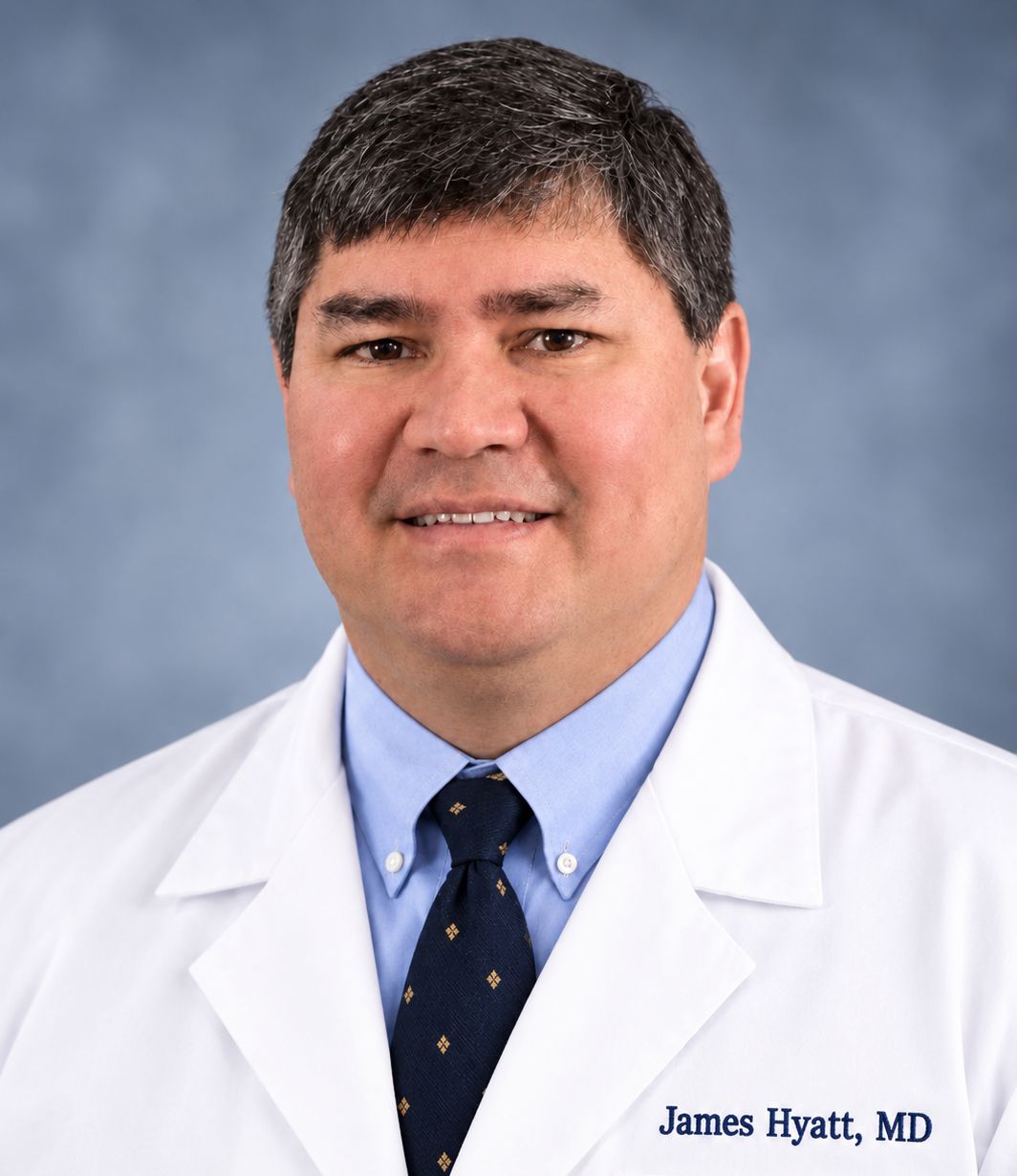
Dr. James H. is a board-certified Family Medicine physician with subspecialty board certifications in Addiction Medicine and Obesity Medicine and more than 30 years of healthcare experience. His clinical background includes emergency medicine, urgent care, primary care, addiction medicine, obesity medicine, and clinical leadership in outpatient and community-based settings. Before becoming a physician, Dr. James H. practiced as a Physician Assistant for nearly 18 years, working in emergency medicine, urgent care, and gastroenterology. This experience gives him a unique understanding of both physician and advanced practice provider roles. He currently serves in clinical and leadership roles in Addiction Medicine, including opioid treatment programs and integrated behavioral healthcare, as well as in Obesity Medicine. Areas of Expertise • Family Medicine • Addiction Medicine • Substance Use Disorder Treatment • Obesity Medicine • Weight Management & Metabolic Health • Emergency Medicine • Urgent Care • Primary Care • Preventive Medicine • Chronic Disease Management • Opioid Treatment Programs • Integrated Behavioral Healthcare • Clinical Leadership • Advanced Practice Provider Collaboration Philosophy of Collaboration Dr. James H. views physician–NP collaboration as a professional partnership built on mutual respect, accessibility, open communication, and patient safety. He believes Nurse Practitioners should be supported in practicing to the full extent of their education, training, and applicable state scope of practice while having access to a dependable physician resource when additional clinical expertise is needed. His nearly 18 years of experience as a Physician Assistant give him a firsthand understanding of the responsibilities, capabilities, and challenges faced by advanced practice clinicians. He brings this perspective to his collaborative relationships, providing practical guidance while respecting the NP's clinical judgment and autonomy. Dr. James H. is committed to being an approachable and responsive collaborating physician who supports challenging case discussions, evidence-based treatment, professional growth, and high-quality patient care. He believes strong physician–NP partnerships can expand access to healthcare while giving NPs the confidence and clinical support needed to build successful, patient-centered practices.
Licensed to collaborate with Kentucky nurse practitioners
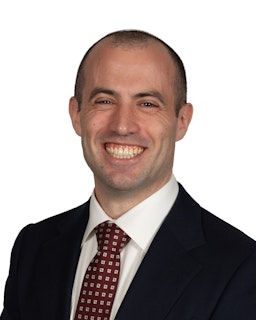
Dr. Colby U, MD, MPH, MBI, FAMIA, is a distinguished, double-board-certified physician specializing in clinical informatics and preventive medicine. As an Associate Chief Medical Informatics Officer, he provides strategic leadership for 166 personnel supporting the largest electronic health record (EHR) system globally, serving over 721 medical facilities and 9.6 million patients. His expertise includes streamlining clinical workflows, leveraging machine learning for EHR optimization, and developing robust interoperability solutions that have significantly improved patient care and provider efficiency. Beyond his federal-level informatics leadership, Dr. U actively practices telemedicine across 19 states and has served as a trusted Medical Director for multiple healthcare companies. His clinical experience spans primary care, women's health, dermatology, occupational medicine, aerospace medicine, and long-term care, positioning him as an exceptionally versatile collaborator for advanced practice providers. Dr. U is also an innovative self-taught software developer who has successfully launched six medical mobile and web applications, including Med Standards, used by over 50,000 healthcare professionals worldwide. His aptitude for integrating technology into clinical practice translates into tangible benefits for his teams, as demonstrated by his effective oversight of Advanced Practice Providers (APPs) across several states, companies, and specialties. His educational journey is marked by prestigious academic credentials, including a Master's in Biomedical Informatics from Harvard Medical School, a Master's in Public Health from the Uniformed Services University, and an MD from Vanderbilt University. His continuous involvement in teaching, from serving as a Clinical Fellow at Harvard to his current role as Adjunct Assistant Professor at the Uniformed Services University, underscores his commitment to mentorship and education. Dr. U’s scholarly contributions include ten peer-reviewed publications, extensive presentations, workshops, and lectures nationally and internationally. He consistently champions evidence-based practices and technological innovation in healthcare delivery, providing APPs under his collaboration access to cutting-edge knowledge and practices. Recognized extensively for his leadership and innovation, Dr. U has earned numerous accolades, including multiple Health IT Innovation Awards and the President’s Award from the American College of Preventive Medicine. His dynamic leadership style, coupled with a profound understanding of the complexities of healthcare systems, ensures that the APPs he supervises are supported, empowered, and provided opportunities for professional growth. As a collaborative physician, Dr. U believes in fostering supportive, communicative, and growth-oriented relationships with advanced practice providers. He is dedicated to nurturing an environment where clinical excellence is seamlessly integrated with technological innovation to deliver exceptional patient care. His approach not only enhances clinical outcomes but also enriches professional satisfaction and development among APPs. Dr. U’s multidisciplinary expertise, innovative approach to healthcare, and proven leadership make him an ideal collaborative physician for advanced practice providers looking to excel in a forward-thinking and supportive clinical environment. ADD $250 FOR NY AND MO. NY AND MO MAY NOT BE USED AS AN ADD-ON STATE AND NOT ELIGIBLE FOR A MULTI-NP DISCOUNT. Note: Currently at capacity in Virginia for non-mental health NP collaborations.
Licensed to collaborate with Kentucky nurse practitioners
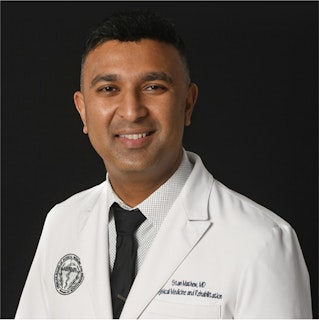
Board-Certified in Physical Medicine & Rehabilitation, Pain Medicine, and Disability Analysis | Medical Director About Dr. Stanley M. Dr. Stanley M. is a board-certified physician in Physical Medicine & Rehabilitation (PM&R) with over 15 years of experience in medical leadership, pain management, weight loss, long-term care, and rehabilitation services. With a career dedicated to improving outcomes across the post-acute care and multidisciplinary rehab spectrum, Dr. Stanley M. brings clinical depth and administrative insight to every collaboration. He currently serves as Regional Medical Director for inpatient rehabilitation at several facilities across Iowa, while also directing PM&R departments at UnityPoint Health – Finley Hospital and St. Luke’s Hospital. His private practice integrates advanced pain management, weight loss solutions, and long-term care strategies to provide personalized, evidence-based treatment. Areas of Expertise • Physical Medicine & Rehabilitation (PM&R) • Chronic Pain Management & Interventional Therapies • Medical Weight Loss & Metabolic Health • Post-Acute & Long-Term Care • Disability Evaluations & Functional Assessments • Spinal Cord Stimulators, Botulinum Toxin Therapy, and Advanced Modalities Collaboration with Nurse Practitioners Dr. Stanley M. has a collaborative, open-minded approach, particularly well-suited for NPs managing complex or challenging cases. His leadership experience across multiple hospitals and facilities makes him adept at supporting providers in both clinical and compliance-based roles, including telehealth, rehab, pain management, and weight loss clinics. He is deeply committed to interdisciplinary care, working hand-in-hand with NPs, therapists, and specialists to achieve the best possible patient outcomes. NPs can expect thoughtful oversight, practical guidance, and clinical flexibility in working with Dr. Stanley M. Leadership, Research & Education Dr. Stanley M. has presented at numerous national conferences and contributes as a clinical reviewer for Elsevier’s Journal of Neurology and Neurosurgery. His ongoing research includes studies in pain management, spinal cord stimulation, and pharmacologic therapy for neuropathic conditions. He is a Fellow of the American Academy of Physical Medicine and Rehabilitation, the American Board of Pain Medicine, and the American Board of Disability Analysts, and holds active licenses in IA, IL, NY, with IMLC certification for LA, MI, FL, and TX. Whether you are an NP specializing in pain, weight management, long-term care, or rehab, Dr. Stanley M. offers the depth of knowledge, availability, and professional support to help you grow and deliver exceptional care. Resident of Iowa
Licensed to collaborate with Kentucky nurse practitioners
Dr. Shannon H. is a physician executive and board-certified Pediatrician with extensive experience across pediatric urgent care, pediatric emergency medicine, general pediatrics, and academic medicine. She brings a unique combination of clinical expertise and operational leadership, with a strong focus on scaling healthcare delivery. Her career reflects a commitment to integrating evidence-based medicine with efficient, technology-enabled care models that improve both patient outcomes and provider performance. Dr. Shannon H. earned her Doctor of Osteopathic Medicine from the New York College of Osteopathic Medicine, along with a Master of Biomedical Sciences from the University of Medicine and Dentistry of New Jersey and a Bachelors of Science from Indiana University. Her clinical background includes serving as a pediatric emergency medicine attending at Mount Sinai South Nassau, a medical director at PM Pediatrics, and as a general pediatric attending, where she developed a strong foundation in both acute and longitudinal pediatric care. In addition, she has experience in Pediatric Telehealth, expanding her ability to deliver timely, accessible care across a variety of clinical settings. She has also held academic appointments, contributing to the education of medical students and trainees with a focus on evidence-based practice and clinical excellence. Currently serving as physician executive in c-suite roles, Dr. Shannon H. leads operational strategy for a pediatric telehealth organization, overseeing clinical infrastructure, workforce development, and multi-state compliance. When she previously served as Medical Director at PM Pediatrics, she built and managed a national telemedicine network of over 350 providers, supporting large-scale expansion, accreditation, and quality initiatives. Her leadership experience includes implementing KPI-driven performance systems, optimizing provider productivity, and integrating digital platforms to streamline care delivery. She is licensed in over 40 U.S. states and is experienced in navigating complex regulatory environments, including HIPAA and multi-state telehealth compliance. Areas of Expertise: • Pediatric Medicine & Urgent Care • Emergency Medicine & Acute Care • Telemedicine & Digital Health Operations • Healthcare Operations & Clinical Leadership • Multi-State Regulatory Compliance & Licensure • KPI Development & Performance Management • Provider Workforce Scaling & Productivity Optimization • Clinical Quality Improvement & Accreditation (URAC, CLIA) • Evidence-Based Medicine & Clinical Education • Technology Integration in Healthcare Delivery Philosophy of Collaboration: Dr. Shannon H. believes that effective collaboration is essential to delivering scalable, high-quality healthcare in today’s evolving clinical landscape. She values a team-based approach that empowers Nurse Practitioners and multidisciplinary providers through clear communication, shared accountability, and access to the tools and systems needed for success. As a physician leader, she is deeply committed to mentorship, education, and professional development, fostering an environment where providers can grow clinically while maintaining autonomy. She emphasizes the importance of aligning clinical excellence with operational efficiency, ensuring that care delivery remains both patient-centered and sustainable. Dr. Shannon H.’s collaborative approach is grounded in building high-performing teams, leveraging data-driven insights, and creating systems that support consistency, quality, and innovation across all levels of care. FOR CA ADD $100, NO MULTIPLE NP DISCOUNT AND CANNOT BE ADDED AS AN ADD-ON STATE.
Licensed to collaborate with Kentucky nurse practitioners
Dr. Steven G. affectionately known as “Dr. Steve” by his patients and staff, is an experienced Emergency Medicine-trained physician with a diverse clinical background spanning emergency care, primary care, mental health, telemedicine, and specialty health services. He earned his Bachelor of Science in Nursing from the University of Portland in 2003 and began his healthcare career as a nurse in the United States Air Force before pursuing medical education at the University of Utah and completing his Emergency Medicine residency in Tucson, Arizona. Since 2019, Dr. Steven G. has expanded his practice into telemedicine, providing primary care and mental health services across various telehealth platforms. He also has experience in weight management and serves as a supervising physician for both women's and men's health clinics. His background as both a registered nurse and physician gives him a well-rounded perspective on patient care and interdisciplinary teamwork. Dr. Steven G. is known for being a friendly, approachable, and dependable member of the healthcare team. He values accessibility and enjoys working through clinical challenges with colleagues while creating opportunities for teaching and professional development. His broad clinical experience allows him to provide practical support to clinicians across a variety of patient care settings. Areas of Expertise • Emergency Medicine • Primary Care • Telemedicine • Mental Health • Urgent & Acute Care • Weight Management • Women's Health • Men's Health • Clinical Supervision • Interdisciplinary Team Collaboration • Clinical Consultation & Problem Solving • Clinical Education & Mentorship Philosophy of Collaboration Dr. Steven G. believes effective collaboration is built on approachability, communication, teamwork, and mutual respect. He strives to be an accessible resource for NPs, making himself available when clinical questions or challenges arise. He enjoys working through problems collaboratively and using real-world clinical situations as opportunities for discussion and teaching. As someone with experience in both nursing and medicine, Dr. Steven G. appreciates the important role that NPs play in delivering patient care. He aims to provide supportive clinical guidance while recognizing the knowledge and expertise NPs bring to their practices. His goal is to build a positive and dependable collaborative relationship that supports professional growth, strong clinical decision-making, and quality patient care.
Licensed to collaborate with Kentucky nurse practitioners
Dr. Jamie R. is an experienced physician with a strong background in hospital medicine and telemedicine. Much of Dr. Jamie R.’s career has been dedicated to hospitalist practice, providing broad experience in acute and complex patient care. More recently, Dr. Jamie R. has transitioned into telemedicine, with a clinical focus that includes urgent care, weight management, hormone replacement therapy, and addiction medicine. Through this diverse clinical experience, Dr. Jamie R. has developed a broad perspective on patient care across both traditional inpatient and modern telehealth settings. This combination of hospitalist and telemedicine experience provides a strong foundation for supporting NP-led practices and addressing a wide range of clinical needs. Areas of Expertise • Hospitalist Medicine • Inpatient & Acute Care • Telemedicine • Urgent Care • Weight Management • Hormone Replacement Therapy (HRT) • Addiction Medicine • Clinical Consultation • Patient Access & Continuity of Care • Physician–NP Collaboration Philosophy of Collaboration Dr. Jamie R. is passionate about working with Nurse Practitioners and supporting NP-led practices. Their approach to collaboration is centered on accessibility, open communication, and a shared commitment to providing high-quality patient care. Dr. Jamie R. values the expertise NPs bring to healthcare and enjoys being a supportive clinical resource as they manage their practices. With a goal of improving access to quality care, Dr. Jamie R. views physician–NP collaboration as a partnership that can strengthen clinical support while allowing NPs to serve their patients effectively. Dr. Jamie R. is enthusiastic about building collaborative relationships that encourage communication, support clinical decision-making, and ultimately improve patient care and access.
Licensed to collaborate with Kentucky nurse practitioners

Dr. Bret B. is an experienced physician with over 30 years of combined clinical expertise spanning Emergency Medicine, Urgent Care, Aesthetic Medicine, and Wellness-focused care. With a strong foundation in acute and trauma-based medicine, he completed his Emergency Medicine residency at the University of Louisville Hospital Trauma Center, where he trained in high-volume Level 1 and pediatric trauma settings. Throughout his career, Dr. Bret B. has served as an attending emergency physician across multiple hospitals and healthcare systems, managing a wide range of complex and high-acuity cases, including critical care during the COVID-19 pandemic. In addition to his emergency medicine background, Dr. Bret B. has developed a robust practice in aesthetics, wellness, and preventive care as the Owner and Medical Director of Rejuve Cosmetic and Wellness Center. His clinical scope includes primary care services, medical weight loss, telemedicine, and patient-centered wellness programs. He has also maintained an active role in medical consulting, offering expertise in clinical operations, business strategy, and healthcare delivery models. Across all settings, he has consistently demonstrated leadership in supervising and collaborating with nurse practitioners and other advanced practice providers. Dr. Bret B.’s career reflects a balance of clinical excellence, entrepreneurial leadership, and adaptability across diverse healthcare environments. His long-standing experience in both hospital-based and outpatient care allows him to deliver comprehensive, efficient, and patient-focused medical services while supporting the growth and effectiveness of multidisciplinary teams. Areas of Expertise • Emergency Medicine & Acute Care Management • Trauma & Critical Care (Level 1 & Level 2 Settings) • Urgent Care & High-Volume Clinical Environments • Aesthetic & Wellness Medicine • Medical Weight Loss & Preventive Care • Telemedicine & Virtual Care Delivery • Clinical Leadership & Medical Directorship • Supervision of Nurse Practitioners & Midlevel Providers • Healthcare Consulting & Practice Management • COVID-19 Critical Care & Patient Coordination Philosophy of Collaboration: Dr. Bret B. views collaboration as a cornerstone of effective and efficient healthcare delivery, particularly in fast-paced and high-acuity environments. With decades of experience working alongside nurse practitioners and other advanced practice providers, he emphasizes a team-based approach grounded in clear communication, mutual respect, and shared clinical responsibility. His leadership style supports provider autonomy while ensuring adherence to evidence-based standards and patient safety. He is committed to being accessible, responsive, and solution-oriented, fostering an environment where team members feel supported in their clinical decision-making and professional development. Dr. Bret B. believes that strong collaboration not only enhances patient outcomes but also builds resilient and high-performing healthcare teams across all care settings.
Licensed to collaborate with Kentucky nurse practitioners
Dr. Jane S. is a board-certified Family Medicine physician with over 30 years of continuous outpatient clinical practice, primarily serving vulnerable and medically underserved populations. She is also board certified in Obesity Medicine and maintains multi-state licensure, allowing her to support care delivery across diverse geographic regions. Dr. Jane S. has held leadership roles including Medical Director, Chief Medical Officer, practice founder, and co-owner. She currently leads an advanced primary care model delivering virtual preventive services, chronic disease management, and acute care, with strong emphasis on quality metrics, behavioral health integration, and equitable access. She played a pivotal role in achieving NCQA Patient-Centered Medical Home recognition for a fully virtual practice and has extensive experience in workflow development, regulatory compliance, and interdisciplinary team leadership. Throughout her career, Dr. Jane S. has remained committed to evidence-based medicine guided by published clinical standards. Her professional mission centers on expanding healthcare access, improving care coordination, and delivering patient-centered services across both in-person and telehealth platforms. Areas of Expertise • Comprehensive Outpatient Family Medicine • Chronic Disease Management • Preventive Health and Evidence-Based Care • Obesity Medicine and Metabolic Health • Care for Vulnerable and Underserved Populations • Telehealth and Virtual Primary Care Delivery • Quality Improvement and Performance Metrics • NCQA Patient-Centered Medical Home Development • Behavioral Health Integration • Workflow Design and Clinical Operations • Medical Directorship and Regulatory Oversight • Interdisciplinary Team Leadership Philosophy of Collaboration: Dr. Jane S. values collaborative, respectful partnerships with Advanced Practice Clinicians and has worked alongside APCs throughout her career. She enjoys mentoring, teaching, and uplifting the work of nurse practitioners and physician assistants, helping them practice confidently and effectively within evidence-based frameworks. Her collaborative approach emphasizes clear communication, guideline-driven care, and coordinated team-based decision-making. She supports APCs practicing at the top of their license while maintaining shared accountability for patient safety, quality metrics, and continuity of care. Dr. Jane S. believes collaboration strengthens both access and outcomes—especially for vulnerable populations. By fostering supportive professional relationships and structured clinical oversight, she helps build sustainable care models that prioritize health equity, operational efficiency, and compassionate, patient-centered medicine. ADD $100 FOR CA AND MO. CA AND MO MAY NOT BE USED AS ADD-ON STATES AND NOT ELIGIBLE FOR MULTI-NP DISCOUNTS.
Licensed to collaborate with Kentucky nurse practitioners
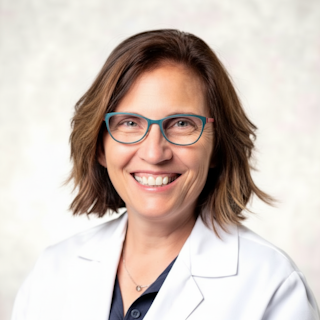
Dr. Cheryl M. is an ABPN board-certified psychiatrist in General Psychiatry and Consult-Liaison Psychiatry with over 20 years of clinical, academic, and leadership experience across a wide range of psychiatric care settings. She is a nationally recognized physician leader, educator, and mentor who has dedicated her career to expanding access to high-quality psychiatric care through collaborative, integrated, and team-based models. Her experience includes inpatient, outpatient, emergency services, academic medical centers, telepsychiatry, and value-based care systems. As a collaborating physician, she is actively involved in supporting and meeting the needs of her NPs. She is very open to working with newly graduated NPs and recommends weekly brief meetings to help build confidence and experience. She also holds weekly case conferences for the group of NPs she collaborates with, along with dedicated times each week when she is available for real-time questions. In addition, all NPs are welcome to contact her on her personal cell phone 24/7 in case of emergencies. Dr. Cheryl M. has extensive experience supervising and collaborating with nurse practitioners, physician assistants, residents, fellows, and medical students, and she has played a key role in developing psychiatric NP clinical training sites throughout her career. She has a particular interest in complex patients with medical comorbidities, geriatric psychiatry, psychiatric emergencies, and consultation-liaison psychiatry. Known for her depth of clinical knowledge and teaching-oriented approach, she enjoys case-based discussion and is available for both individual and group case consultations. She holds an active DEA license and is licensed in multiple states, supporting broad collaborative and telepsychiatry arrangements. Dr. Cheryl M. is approachable, deeply committed to education, and passionate about supporting clinicians on the front lines of mental health care. Areas of Expertise • General Adult Psychiatry • Consult-Liaison (Psychosomatic) Psychiatry • Psychiatric Care for Medically Complex Patients • Geriatric Psychiatry • Emergency and Acute Psychiatry • Suicide Risk Assessment and Crisis Intervention • Treatment-Resistant Depression • Integrated and Collaborative Care Models • Telepsychiatry and Access-to-Care Programs • NP and PA Supervision and Clinical Teaching • Case Review and Advanced Diagnostic Consultation • Psychiatric Program Development • Value-Based and Population Mental Health Care Philosophy of Collaboration: Dr. Cheryl M. believes that access to psychiatric care depends on strong, respectful collaboration between psychiatrists and nurse practitioners. She views collaboration as a dynamic, bidirectional learning relationship where shared expertise leads to better patient outcomes and professional growth. Her approach emphasizes availability, thoughtful case discussion, and tailored support based on each clinician’s experience and practice style. She strongly values NP autonomy within a supportive partnership framework and is committed to providing reliable guidance, mentorship, and clinical insight to help NPs care for complex patients with confidence and excellence.
Licensed to collaborate with Kentucky nurse practitioners
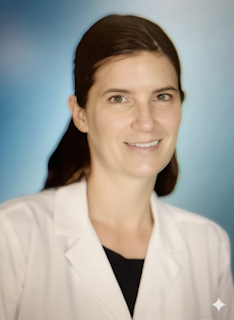
Emergency Medicine | Virtual Urgent Care Leader | NP-Centered Collaboration About Dr. Brandi G Dr. Brandi G is a board-certified emergency medicine physician with 15+ years of frontline and telehealth experience. She has led virtual urgent care programs and helped build NP-friendly workflows for rapid triage, evidence-based treatment, and smooth handoffs. As a collaborating physician, she’s accessible, practical, and team-first. Dr. G prioritizes clear protocols, quick turnaround on chart reviews, and right-sized oversight that protects NP autonomy while mitigating risk—especially in fast-moving urgent care and telemedicine environments. Areas of Expertise • Urgent Care & ED Triage (adult & adolescent) • Telemedicine & Virtual Urgent Care program design and oversight • Protocols for minor injuries, infections, and cardiac/arrhythmia evaluation • Stabilization & safe disposition (including behavioral health presentations) • Point-of-care diagnostics and risk stratification in resource-variable settings • Collaborative supervision of NPs in high-volume clinics and virtual hubs If you’re seeking a responsive collaborator who understands urgent care realities and telehealth operations, Dr. Brandi G offers a steady partner focused on efficiency, safety, and NP empowerment. ADD $100 FOR CALIFORNIA. NO MULTIPLE NP DISCOUNT FOR CA. CA CANNOT BE USED AS AN ADD-ON STATE REQUIRES REVIEW OF NP'S CV AND PROTOCOLS BEFORE DECIDING TO TAKE THE INTRO MEETING.
Licensed to collaborate with Kentucky nurse practitioners
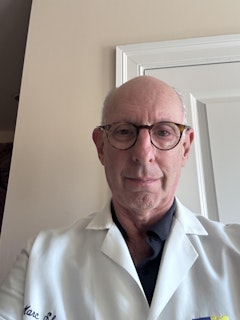
Experienced Internist | Telehealth & Long-Term Care Expert | Mental Health & Weight Management About Dr. Marc S. Dr. Marc S. is a seasoned internal medicine physician with over 35 years of clinical experience spanning private practice, regional health systems, and telemedicine. After 25 years serving patients in Washington D.C. and suburban Maryland, he spent a decade with a large regional healthcare company and has spent the past five years focusing on telehealth. Dr. S. has extensive experience managing chronic conditions such as diabetes, hypertension, and hyperlipidemia, as well as expertise in mental health, including the treatment of anxiety, depression, and bipolar disorder. He is also well-versed in medical weight loss therapies and geriatric care, with a long history of working in long-term care settings. Having collaborated with nurse practitioners throughout his career, Dr. S. brings a supportive and knowledge-sharing approach to supervision—valuing clinical autonomy while offering mentorship based on decades of hands-on experience. Areas of Expertise • Internal Medicine & Chronic Disease Management • Anxiety, Depression & Bipolar Disorder • Medical Weight Loss & Obesity Management • Hypertension, Diabetes & Lipid Disorders • Geriatric Medicine & Long-Term Care • Telehealth & Remote Patient Monitoring • NP Collaboration & Clinical Mentorship Dr. S. is committed to fostering collaborative relationships with nurse practitioners and supporting high-quality, patient-centered care across diverse practice settings.
Licensed to collaborate with Kentucky nurse practitioners
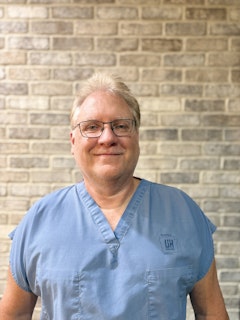
Board-Certified Emergency Physician | 25+ Years of Clinical Leadership | Supportive, Grounded, NP-Aligned About Dr. W. Scott M. is a board-certified emergency medicine physician with over 25 years of experience across high-acuity hospital systems, rural emergency departments, and academic training programs. Known for his calm, collaborative approach, Dr. M. has worked shoulder-to-shoulder with advanced practice providers in both fast-paced EDs and community hospital settings throughout Indiana. In addition to his clinical work, Dr. M. has served as a Volunteer Clinical Assistant Professor of Emergency Medicine at the Indiana University School of Medicine for over a decade, where he is respected for his mentorship and was awarded the Edward Micon Award for Teaching Excellence. Areas of Expertise • Emergency Medicine & Acute Care • Evidence-Based Pain & Trauma Management • Multi-Site Emergency Operations (Franciscan, Ascension) • Academic Mentorship & Teaching • Rural & Underserved Community Care Collaboration Style Dr. M. is approachable, highly responsive, and efficient. He understands the importance of balancing autonomy with oversight, and views collaboration as a true partnership. Whether you're practicing in a high-volume setting or running your own clinic, Dr. M. brings steady guidance, rapid support when needed, and zero micromanagement. Credentials & Highlights • Board Certified, American Board of Emergency Medicine (Recertified 2017) • 25+ years of continuous emergency medicine practice • Clinical teaching faculty, IU School of Medicine • Former Board Member, Emergency Physicians of Indianapolis • Medical mission experience in India, Kenya, El Salvador & Haiti
Licensed to collaborate with Kentucky nurse practitioners
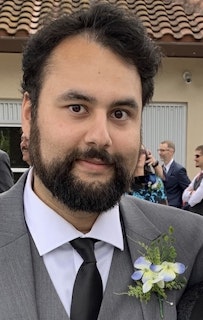
Dr. Fahad A. is a board-certified Family Medicine physician with over 11 years of clinical experience providing comprehensive care across a wide variety of healthcare settings, including primary care, urgent care, inpatient medicine, rehabilitation facilities, nursing homes, and telemedicine. He earned his medical degree from the Temple University School of Medicine in 2012 and completed his Family Medicine residency at Chestnut Hill Hospital. Throughout his career, Dr. Fahad A. has built a well-rounded clinical foundation caring for diverse patient populations in both acute and longitudinal care environments. Over the past three years, Dr. Fahad A. has focused primarily on telemedicine, providing accessible, patient-centered care in urgent care medicine, hormone replacement therapy (HRT), men’s health, weight management, and primary care services. His experience in virtual care has allowed him to develop efficient, practical, and highly adaptable care models that prioritize both clinical quality and patient convenience. Dr. Fahad A. values balanced, sustainable healthcare delivery and understands the importance of maintaining both professional excellence and personal well-being. His collaborative experience with nurse practitioners throughout his career has reinforced his belief that team-based care is essential to improving healthcare access and patient outcomes. Areas of Expertise • Telemedicine and virtual care delivery • Urgent care and acute outpatient management • Primary care and preventive medicine • Men’s health and hormone replacement therapy (HRT) • Weight loss and metabolic health management • Chronic disease management • Rehabilitation and post-acute care • Nursing facility and geriatric care • Outpatient family medicine • Clinical workflow efficiency and patient-centered care • Collaborative practice with nurse practitioners and multidisciplinary teams Philosophy of Collaboration Dr. Fahad A. believes the best healthcare outcomes are achieved through respectful, team-based collaboration built on communication, trust, and shared clinical responsibility. Having worked alongside nurse practitioners across multiple care settings throughout his career, he values the important role NPs play in expanding access to high-quality healthcare. His collaboration style is approachable, practical, and supportive. He prioritizes accessibility, timely communication, and clear clinical guidance while respecting NP autonomy and individual clinical judgment. Dr. Fahad A. aims to foster partnerships that feel collaborative rather than restrictive, creating an environment where providers feel supported and confident in delivering patient care. With experience across inpatient, outpatient, urgent care, rehabilitation, nursing home, and telemedicine settings, Dr. Fahad A. brings a flexible and well-rounded perspective to collaborative practice. His goal is to help NP-led practices operate efficiently, safely, and compliantly while maintaining a strong focus on patient-centered care and sustainable clinical workflows. FOR CA AND MO ADD $75 NO MULTIPLE NP DISCOUNT AND CANNOT BE ADDED AS AN ADD-ON STATE.
Licensed to collaborate with Kentucky nurse practitioners

Dr. Jerry C. is a highly experienced, multi-state licensed physician with nearly three decades of clinical expertise in emergency medicine, telemedicine, and integrative care. He is licensed in all 50 states and Washington, DC, and brings extensive regulatory knowledge and operational leadership to every collaboration. After spending almost 25 years in high-volume emergency departments across the country, Dr. Jerry C. transitioned into telemedicine and wellness-focused medicine, where he now serves as a Medical Director for multiple national organizations. His career reflects a strong commitment to clinical excellence, compliance, and patient-centered innovation. Dr. Jerry C. currently provides telemedicine services across multiple platforms, focusing on men’s health, hormone optimization, medical cannabis, weight management, alternative therapies, and acute care. He has held leadership roles in both rural and urban settings, including Site Medical Director and long-term nocturnal attending positions at major hospital systems. In addition to his clinical practice, he has an extensive background in medical education, EMS leadership, and protocol development at regional and state levels. With licensure in all U.S. states and multiple DEA registrations, Dr. Jerry C. is well-versed in regulatory standards and interstate medical practice. He is known for his ability to onboard partners efficiently, support operational growth, and ensure ongoing compliance in evolving telehealth and wellness environments. Areas of Expertise • Emergency Medicine (25+ Years of High-Volume Clinical Practice) • Telemedicine and Multistate Medical Operations • Medical Direction and Clinical Governance • Hormone Replacement Therapy (HRT/TRT) • Peptide and Integrative Medicine • GLP-1 and Medical Weight Management • Men’s Health and Performance Optimization • Medical Cannabis Certification and Management • Acute Care and Urgent Telehealth Services • Long COVID and Vaccine Injury Management • Regulatory Compliance and Risk Management • EMS Medical Oversight and Protocol Development • Physician Education and Clinical Preceptorship Philosophy of Collaboration: Dr. Jerry C. believes that successful healthcare partnerships are built on transparency, regulatory integrity, and mutual accountability. He values proactive communication, clear operational structures, and adherence to federal and state regulations, including evolving telemedicine standards. His collaborative approach emphasizes protecting patient safety, supporting business scalability, and maintaining long-term compliance. As a seasoned medical director, he works closely with organizations to streamline onboarding, optimize clinical workflows, and foster sustainable growth. Dr. Jerry C. views collaboration as a strategic partnership—one grounded in trust, clinical excellence, and shared responsibility for delivering high-quality, ethical care. ADD $100 FOR CA AND GA. CA AND GA MAY NOT BE USED AS ADD-ON STATES AND ARE NOT ELIGIBLE FOR A MULTIPLE NP DISCOUNT.
Licensed to collaborate with Kentucky nurse practitioners
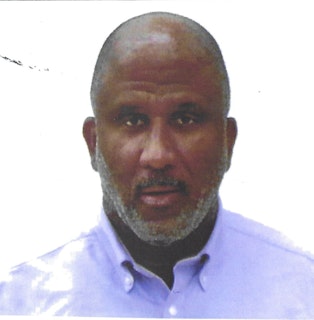
Dr. Ronald M. is a board-certified Pediatrician with more than 25 years of experience treating patients of all ages in comprehensive primary care settings. He has served as a collaborating physician for over a decade in Virginia, Ohio, and Kentucky, providing clinical oversight, mentorship, and support to nurse practitioners across multiple states. His broad clinical experience emphasizes evidence-based care, continuity of care, and professional development within collaborative practice models. He collaborates with Family Nurse Practitioners (FNPs) who provide care across all age groups, not limited to Pediatric Nurse Practitioners (PNPs). Currently, all of his collaborating providers are FNPs practicing in primary care settings. Dr. Ronald M. is known for his dedication to clinical excellence, his commitment to fostering growth in advanced practice providers, and his patient-centered focus on optimizing outcomes for diverse populations. Areas of Expertise • Comprehensive Primary Care for Children, Adolescents, and Young Adults • Preventive Medicine and Wellness Promotion • Management of Chronic Conditions (e.g., ADHD, Autism-related care, adjustment disorders) • Behavioral and Mental Health Support within Primary Care • Patient-Centered Evaluations and Health Counseling • Family Medicine and Pediatric Care Integration • Collaboration with Interdisciplinary Healthcare Teams • Clinical Mentorship and Support for Nurse Practitioners • Telemedicine: Primary care (acute, urgent, wellness, and chronic care needs), including primary care behavioral health services such as depression, anxiety, and ADHD management Philosophy of Collaboration: Dr. Ronald M. believes that the best clinical outcomes are achieved when physicians and nurse practitioners work together as partners with shared accountability for patient care. He approaches collaboration with mutual respect, clear communication, and a focus on evidence-based medical practice. Dr. Ronald M. values the autonomy of nurse practitioners and actively supports their professional growth through mentorship, thoughtful clinical discussion, and responsive consultation. His collaborative model emphasizes clinical excellence, shared decision-making, and a supportive environment that enhances patient outcomes while empowering advanced practice clinicians to practice confidently and independently. Strict patient population age preference: Newborn to 23 years old. ADD $200 FOR CA. CA MAY NOT BE USED AS AN ADD-ON STATE. ADD $100 FOR SCHEDULED PRESCRIPTIONS
Licensed to collaborate with Kentucky nurse practitioners
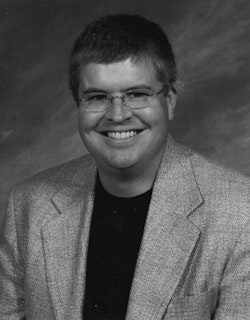
Dr. Thomas S. is a board-certified Internal Medicine physician with over two decades of clinical experience across both inpatient and outpatient settings. Since completing his residency training in Internal Medicine in 2000, he has built a diverse and dynamic career that spans primary care, hospital medicine, aesthetics, and disability evaluation. His broad clinical background allows him to deliver comprehensive, patient-centered care while adapting to a wide range of medical and operational environments. In addition to his core Internal Medicine practice, Dr. Thomas S. is recognized as a master injector in aesthetic medicine, combining technical precision with a strong understanding of patient safety and outcomes. He has also served in multiple Medical Director roles, providing clinical leadership, oversight, and strategic guidance across various healthcare settings. His experience includes extensive collaboration with nurse practitioners and physician assistants, supporting both clinical excellence and efficient care delivery. Dr. Thomas S. has developed specialized expertise in Traumatic Brain Injury (TBI) and disability evaluations, including work with Social Security Administration (SSA) cases and Compensation & Pension (C&P) exams for veterans. His work in this area reflects a deep understanding of complex medical assessments, functional capacity evaluations, and medico-legal documentation. Beyond his clinical and leadership roles, Dr. Thomas S. is committed to medical education and mentorship. He has volunteered his time teaching at the University of South Carolina School of Medicine, contributing to the development of future physicians through clinical instruction and shared expertise. His career reflects a dedication to high-quality care, continuous learning, and the advancement of both patients and healthcare professionals. Areas of Expertise • Internal Medicine (Inpatient & Outpatient Care) • Aesthetic Medicine & Advanced Injection Techniques • Traumatic Brain Injury (TBI) Evaluation & Management • Disability & Compensation Evaluations (SSA, Veterans C&P) • Medical Directorship & Clinical Leadership • Interdisciplinary Collaboration with NPs & PAs • Diagnostic Evaluation & Functional Assessment • Clinical Education & Mentorship Philosophy of Collaboration: Dr. Thomas S. believes that effective collaboration is grounded in clear communication, mutual respect, and shared accountability for patient outcomes. He values working closely with nurse practitioners and physician assistants, providing guidance and support while encouraging clinical independence and growth. His approach emphasizes accessibility, practical decision-making, and maintaining high standards of care across all practice settings. By fostering a collaborative and supportive environment, Dr. Thomas S. ensures that healthcare teams can deliver safe, efficient, and patient-focused care while continuing to develop their clinical skills and confidence.
Licensed to collaborate with Kentucky nurse practitioners
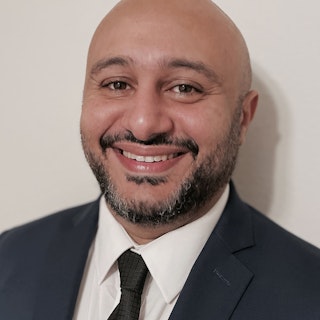
Dr. Mena I. is a triple board-certified physician in Family Medicine, Anesthesiology, and Critical Care Medicine, with active multi-state licensure and DEA registration. He brings a uniquely broad clinical foundation spanning outpatient primary care, high-acuity anesthesiology practice, and advanced cardiothoracic critical care. Dr. Mena I. earned his medical degree from Alexandria Faculty of Medicine and completed residency training in Family Medicine and Anesthesiology, followed by a fellowship in Anesthesiology Critical Care at Emory University. He also holds a Master of Education in the Health Professions from Johns Hopkins School of Education, along with formal certification in evidence-based teaching. His clinical career includes service as a cardiothoracic intensivist and Assistant Professor at the University of South Florida Morsani College of Medicine, where he managed complex postoperative cardiac patients, including those requiring LVAD, RVAD, Impella, intra-aortic balloon pump, and ECMO support. He has also held attending anesthesiology roles across multiple hospital systems and currently serves as a collaborating physician for advanced practice providers in multi-state settings. Dr. Mena I. combines procedural mastery, systems-level clinical oversight, and formal educator training—positioning him as a strong physician partner in collaborative practice environments. Areas of Expertise • Cardiothoracic Critical Care Medicine • Advanced Hemodynamic and Mechanical Circulatory Support (ECMO, LVAD, RVAD, IABP) • Anesthesiology and Perioperative Medicine • Airway Management and Resuscitative Leadership • High-Acuity Patient Stabilization • Family Medicine and Comprehensive Primary Care • Clinical Supervision of Advanced Practice Providers • Evidence-Based Medical Education • Protocol Development and Quality Improvement • Ultrasound-Guided Procedures and Vascular Access • Multi-State Practice and Regulatory Compliance Philosophy of Collaboration: Dr. Mena I. values structured, supportive collaboration with nurse practitioners and physician assistants. With formal training in medical education and years of teaching residents, fellows, and advanced practice clinicians, he approaches collaboration as both a clinical partnership and a mentorship opportunity. He emphasizes clear communication, defined scope alignment, and thoughtful case review—particularly in complex or high-risk clinical scenarios. His background in critical care reinforces the importance of safety, documentation clarity, and protocol-driven care. At the same time, his experience in outpatient family medicine allows him to appreciate continuity, accessibility, and patient-centered decision-making. Dr. Mena I. believes effective collaboration strengthens clinical confidence, improves patient outcomes, and builds resilient care teams. He strives to be an approachable, reliable physician partner who supports high standards of care while empowering advanced practice providers to practice at the top of their license. ADD $50 FOR MISSOURI. MISSOURI IS NOT ELIGIBLE FOR MULTI-NP DISCOUNT AND MAY NOT BE USED AS AN ADD-ON STATE
Licensed to collaborate with Kentucky nurse practitioners
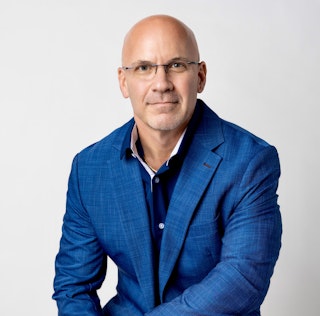
Dr. Jonathan H. is a board-certified Maternal-Fetal Medicine specialist with over 30 years of clinical and leadership experience in women’s health, aesthetics, and regenerative medicine. He currently serves as the Medical Director of RNR Aesthetics & Potomac Performance in Bethesda, Maryland, where he leads a multidisciplinary team delivering advanced wellness and regenerative therapies including hormone optimization, peptide therapy, weight management, IV therapy, and aesthetic procedures. Dr. Jonathan H. also serves as the Medical Director at Richmond Maternal-Fetal Medicine, overseeing strategic operations, patient safety, and performance initiatives. Prior to his current roles, Dr. Jonathan H. served as Assistant Medical Director at Maryland Perinatal Associates, where he co-led eight physicians across multiple sites, supported high-volume patient operations, and advanced quality and compliance standards in maternal-fetal medicine. His leadership and clinical expertise reflect a deep commitment to improving both patient outcomes and organizational efficiency. Areas of Expertise: • Maternal-Fetal Medicine and Obstetrics • Regenerative and Integrative Health Therapies • Bio-Identical Hormone Replacement Therapy (BHRT) • Peptide Therapy and Weight Management • Aesthetic and Anti-Aging Medicine • Medical Operations and Clinical Leadership • Quality Improvement and Regulatory Compliance Philosophy of Collaboration: Dr. Jonathan H. believes in the power of physician-led collaboration to elevate patient care and professional growth. His approach centers on mutual respect, open communication, and evidence-based practice, fostering a supportive environment where both physicians and advanced practice providers can thrive. He values partnerships that align innovation with patient-centered wellness, ensuring care that is both comprehensive and compassionate. ADD $50 FOR CA. NO MULTIPLE NP DISCOUNT FOR CA and CANNOT BE ADDED AS AN ADD-ON STATE. ADD $50 FOR SCHEDULE III
Licensed to collaborate with Kentucky nurse practitioners

Board-Certified in Emergency Medicine | Experienced Medical Director | NP Mentor in Acute, Telemedicine & ICU Settings Dr. Nauman R. is a board-certified emergency medicine physician with over a decade of experience across emergency departments, hospitalist medicine, ICU, and telemedicine. He completed his Emergency Medicine residency at Lincoln Medical and Mental Health Center (Weill Cornell) in New York, where he served as Chief Academic Resident. He also completed Internal Medicine training at Good Samaritan Hospital in Cincinnati. Dr. R. has held leadership roles including ED Medical Director and Director of Research at a major residency program. His background spans diverse environments—from high-volume trauma centers to virtual care and ICU medicine—where he has consistently worked alongside nurse practitioners, offering support, supervision, and mentorship. Known for his team-based approach, Dr. R. values collaboration, clear communication, and clinical excellence. He is actively involved in medical education and professional societies including ACEP and SAEM. Areas of Expertise • Emergency & Acute Care Medicine • Hospitalist & ICU Management • Telemedicine & Virtual Primary Care • Clinical Supervision & NP Collaboration • Research, Teaching & Academic Leadership • Mental Health & Crisis Intervention • Advanced Trauma Life Support (ATLS) Instruction Dr. Nauman R. brings seasoned clinical judgment and a commitment to collaborative care that supports nurse practitioners in delivering high-quality, evidence-based treatment.
Licensed to collaborate with Kentucky nurse practitioners
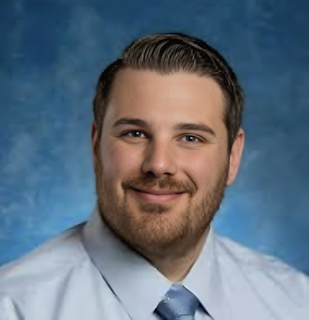
Board-Certified Internal Medicine Physician & Cardiologist | Experienced NP Collaborator About Dr. William G. Dr. William G. is a board-certified internal medicine physician and cardiologist with extensive experience in telemedicine, medical weight loss, hormone therapy, lifestyle medicine, urgent care, and medical aesthetics. Based in Colorado, he is deeply committed to supporting Nurse Practitioners as a collaborative physician, helping them expand their clinical expertise while delivering high-quality, patient-centered care. With a blended approach of cutting-edge medical advancements and personalized treatment, Dr. William G. prioritizes patient education, preventative care, and innovative treatment solutions. His passion for healthcare extends beyond individual patient interactions—he actively advocates for community health initiatives and wellness education to improve healthcare access and outcomes. Areas of Expertise • Cardiology & Internal Medicine • Medical Weight Loss & Lifestyle Medicine • TRT & Hormone Therapy • Urgent Care & Telemedicine • Medical Aesthetics & Preventative Wellness Collaboration with Nurse Practitioners Dr. William G. is dedicated to mentoring and collaborating with NPs, ensuring they have the clinical support, autonomy, and expertise needed to excel in their practice. His hands-on, supportive approach empowers NPs to grow professionally while optimizing patient care and satisfaction. Whether you are looking to expand your expertise in cardiology, weight loss, hormone therapy, or telemedicine, Dr. William G. is a trusted and knowledgeable partner who can help take your practice to the next level. Passion for Patient Care & Community Health Beyond the clinic, Dr. William G. is an advocate for wellness and preventative healthcare, participating in community outreach programs aimed at educating and empowering patients. A true Colorado native, he enjoys hiking, biking, traveling, and spending time with family, bringing his passion for an active, healthy lifestyle into his medical practice. If you're seeking a collaborative, experienced, and patient-focused physician to help enhance your practice, request Dr. William G. today—let’s make a meaningful impact on patient care together! ADD $50 FOR CA. CA CANNOT BE USED AS AN ADD-ON STATE. NO MULTIPLE NP DISCOUNT FOR CA.
Licensed to collaborate with Kentucky nurse practitioners
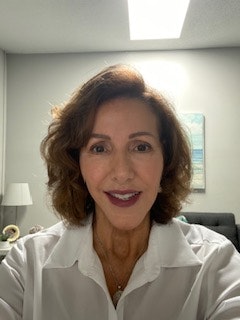
Dr. Eleanor T. is a board-certified general adult psychiatrist with extensive experience in treating a wide range of mental health conditions. With a strong foundation in both psychiatry and psychiatric nursing, she brings a unique perspective to her practice. Before becoming a psychiatrist, Dr. T. worked as a psychiatric nurse practitioner for 11 years prior to entering medical school, giving her a deep respect for the knowledge and expertise of NPs. She is passionate about collaboration and enjoys sharing her insights to support NPs in their clinical practice. Areas of Expertise -Anxiety Disorders & OCD -ADHD & Mood Disorders (Major Depression, Bipolar Disorder) -Geriatric Psychiatry & Cognitive Disorders -PTSD & Trauma-Informed Care Collaborative Approach With 25 years of experience working alongside psychiatric nurse practitioners in outpatient, inpatient, and long-term care settings, Dr. Eleanor T. is committed to fostering a supportive and enriching collaboration. She understands the challenges NPs face in psychiatric practice and provides guidance to help them navigate complex cases with confidence. Professional Background Dr. Eleanor T. earned her medical degree from Case Western Reserve University School of Medicine in Cleveland, Ohio, and has been in private practice since 1998. She has worked in a variety of clinical settings, including hospitals, outpatient clinics, and long-term care facilities, with a specialized focus on geriatric psychiatry in recent years. Throughout her career, she has remained dedicated to helping patients manage anxiety, depression, and life transitions with compassionate, evidence-based care. Dr. Eleanor T. is eager to collaborate with NPs who are looking to expand their expertise and enhance patient care in psychiatry. OHIO MAY NOT BE USED AS AN ADD-ON STATE
Licensed to collaborate with Kentucky nurse practitioners
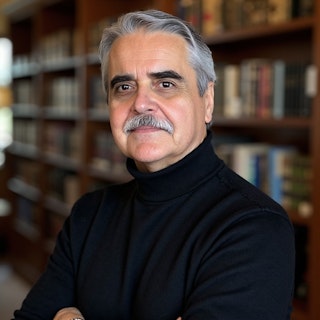
I’m a board-certified psychiatrist with more than 30 years of experience, with a clinical focus on treating adolescents and adults who present with complex psychiatric and neuropsychiatric conditions. My work centers on helping individuals with mood disorders, trauma-related symptoms, cognitive and behavioral challenges, especially when neurological or developmental factors complicate these. I prioritize evidence-based care that’s also deeply personal, culturally aware, and grounded in empathy. I regularly manage challenging cases that require careful diagnostic work and close collaboration across various disciplines. I utilize tools such as quantitative electroencephalography (qEEG), neuroimaging, and structured assessments to gain a better understanding of brain-behavior relationships and to guide treatment decisions. My practice encompasses medication management, psychotherapy, family support, and consultation in both clinical and forensic settings. I am known for providing thoughtful, individualized care that balances evidence-based treatment with deep empathy and cultural sensitivity. Frequently, I address complex cases that necessitate coordination among multiple specialties, including those related to traumatic brain injury, treatment-resistant depression, and functional impairments. I integrate tools like qEEG, neuroimaging, and structured psychiatric assessments to inform my clinical decision-making. Additionally, I offer ongoing psychotherapy, medication management, family guidance, and consultation in both clinical and legal contexts.
Licensed to collaborate with Kentucky nurse practitioners
Dual Board-Certified in Internal Medicine & Obesity Medicine | Experienced Medical Director | Telehealth & Mental Health Expertise About Dr. Emill L. Dr. Emill L. is a dual board-certified physician in Internal Medicine and Obesity Medicine with over 15 years of experience across hospital medicine, telehealth, and outpatient care. Originally from Santo Domingo, Dominican Republic, Dr. L. graduated summa cum laude from Iberoamerican University and completed his residency at Lincoln Medical Center in New York, affiliated with Weill Cornell Medical College. Dr. L. has held numerous leadership roles including Chief of Medicine and Director of Hospital Medicine at AdventHealth Heartland Division, where he also served as faculty for both Internal Medicine and Family Medicine residency programs. His clinical work includes experience in adult mental health, particularly managing anxiety, depression, and complex chronic disease with behavioral health components. He is certified as a Healthcare Executive Leadership Fellow and formerly board-certified in Health Care Quality and Management with a subspecialty in Physician Advising. Currently licensed in all 50 states, Washington D.C., and Puerto Rico, Dr. L. offers highly accessible telehealth collaboration. Fluent in both English and Spanish, he brings a multicultural, patient-centered approach to care and collaboration. Areas of Expertise • Internal Medicine & Chronic Disease Management • Obesity Medicine & Lifestyle Interventions • Adult Mental Health (Depression, Anxiety, Insomnia) • Hospitalist & Acute Care Experience • Telemedicine & Multi-State Clinical Oversight • NP Supervision & Interdisciplinary Collaboration • Bilingual Care (English & Spanish) • Training & Mentorship for Clinical Teams Dr. L. is known for his collaborative style, clinical thoroughness, and dedication to expanding access to high-quality care—making him a trusted partner for nurse practitioners in diverse practice settings. ADD $100 FOR CALIFORNIA. CA CAN NOT BE AN ADD-ON STATE. IF PRESCRIBING ANY CONTROLLED SUBSTANCED, ADD $99 TO THE MONTHLY FEE (NOT JUST SCHEDULE II)
Licensed to collaborate with Kentucky nurse practitioners
• 25+ years as a board-certified family medicine physician • Functional, integrative, and root-cause–focused approach to care • Strong interest and experience in Pediatric and Adult Psychiatry Dr. Wendy B is a highly experienced family medicine physician with more than 25 years of clinical practice, known for her thoughtful, personalized, and root-based approach to patient care. Her work blends traditional primary care with functional and integrative medicine principles, allowing her to address complex, chronic conditions by focusing on underlying drivers rather than symptoms alone. Throughout her career, Dr. Wendy B has practiced across a wide range of settings, including primary care, urgent care, mental health, and integrative medicine. Her functional medicine expertise includes hormone optimization, gastrointestinal health, and cardio-metabolic disorders, with an emphasis on lifestyle, nutrition, and individualized treatment plans. She has a particular passion for mental health and approaches psychiatric care through a holistic lens that integrates physiology, lifestyle, and emotional well-being. She recently completed a pediatric and adult psychiatry fellowship (2025), further strengthening her ability to support patients and advanced practice clinicians working in mental health–adjacent and integrative practices. Dr. Wendy B intentionally works part-time so she can invest deeply in collaborative relationships. She genuinely enjoys teaching, mentoring, and learning alongside NPs and PAs, and is known for being accessible, supportive, and generous with her clinical insight. Her collaboration style emphasizes respect for APC autonomy while providing thoughtful guidance and education when needed. Areas of Expertise • Family Medicine & Full-Spectrum Primary Care • Functional & Integrative Medicine • Mental Health Care (Holistic & Integrative Approach) • Hormone Optimization & Bioidentical Hormone Therapy • Gastrointestinal & Cardio-Metabolic Disorders • Weight Management & Lifestyle Medicine • IV Nutrition Therapy • Urgent Care & Acute Care Across the Lifespan • APC Supervision, Teaching, & Clinical Mentorship NOTE: THE RATE OF $549 A MONTH IS FOR NP'S WITH STARTUP PRACTICES OR VERY PART TIME. FOR AN ESTABLISHED PRACTICE, DR BURTON WILL GIVE YOU HER RATE.
Licensed to collaborate with Kentucky nurse practitioners
Dr. Tuvia B. is a board-certified psychiatrist with subspecialty board certification in Child and Adolescent Psychiatry. With more than 15 years of clinical experience, he provides comprehensive psychiatric care to children, adolescents, and adults across a variety of practice settings, including private practice, telepsychiatry, outpatient behavioral health, correctional psychiatry, and community mental health. Following the completion of his psychiatry residency and Child & Adolescent Psychiatry fellowship at Hofstra Northwell School of Medicine, Dr. Tuvia B. has built an extensive career caring for patients with a wide range of psychiatric conditions. He currently practices through his private practice and multiple national telepsychiatry organizations, providing accessible, high-quality psychiatric care to patients across numerous states. His broad multi-state licensure and extensive telemedicine experience allow him to effectively support patients and healthcare providers in diverse clinical environments. Throughout his career, Dr. Tuvia B. has worked in community mental health centers, correctional healthcare, hospital-based services, and outpatient psychiatry, giving him experience managing both routine and complex psychiatric presentations across the lifespan. His clinical approach emphasizes accurate diagnosis, evidence-based psychopharmacology, individualized treatment planning, and compassionate, patient-centered care. Areas of Expertise • General Adult Psychiatry • Child & Adolescent Psychiatry • Telepsychiatry • Outpatient Psychiatry • Community Mental Health • Correctional Psychiatry • Psychopharmacology & Medication Management • Mood Disorders • Anxiety Disorders • Attention-Deficit/Hyperactivity Disorder (ADHD) • Autism Spectrum Disorder • Behavioral Disorders in Children & Adolescents • Trauma-Related Disorders • Psychotic Disorders • Psychiatric Evaluation & Diagnostic Assessment • Collaborative Psychiatric Care Philosophy of Collaboration Dr. Tuvia B. believes that successful physician–NP collaboration is built on trust, open communication, and a shared commitment to providing high-quality psychiatric care. He values Nurse Practitioners as important members of the mental healthcare team and believes collaborative relationships should support both excellent patient outcomes and continued professional development. His collaborative approach emphasizes accessibility, timely communication, and thoughtful clinical consultation. He encourages open discussion of complex cases, evidence-based treatment planning, and shared clinical decision-making while respecting each provider's experience, autonomy, and clinical judgment. With extensive experience practicing across multiple healthcare settings and delivering telepsychiatry services nationwide, Dr. Tuvia B. understands the importance of being responsive and dependable in collaborative practice. His goal is to build long-term partnerships where Nurse Practitioners feel supported, confident, and equipped to provide compassionate, evidence-based psychiatric care while maintaining the highest standards of clinical excellence. CA- Add $100
Licensed to collaborate with Kentucky nurse practitioners

Dr. Huma M. is a board-certified Internal Medicine physician with additional board certifications in Obesity Medicine and Lifestyle Medicine, bringing over 15 years of clinical experience in outpatient primary care and more than five years in telemedicine. She specializes in delivering comprehensive, evidence-based care across both in-person and virtual settings, with a strong focus on chronic disease management, preventive care, and sustainable health optimization. Throughout her career, Dr. Huma M. has managed a wide range of acute and chronic medical conditions, including diabetes, hypertension, dyslipidemia, thyroid disorders, and obesity. She has particular expertise in obesity medicine, including the use of GLP-1 therapies, and integrates lifestyle-based interventions to support long-term patient outcomes. Her clinical approach emphasizes precision in diagnosis, individualized treatment planning, and proactive health maintenance. Dr. Huma M. has extensive experience in telehealth, currently providing full-spectrum primary care services through virtual platforms, where she manages both acute and chronic conditions while delivering preventive counseling and coordinated care. Her background also includes value-based care models, risk adjustment evaluations, and care gap identification, supporting improved population health outcomes and healthcare efficiency. In addition to her clinical expertise, Dr. Huma M. is multilingual—fluent in English, Urdu, and Hindi—allowing her to effectively communicate with diverse patient populations. She is highly proficient in multiple electronic health record systems and is licensed across more than 30 U.S. states, enabling her to provide scalable, accessible care across a broad geographic footprint. Areas of Expertise • Internal Medicine & Primary Care • Obesity Medicine & GLP-1 Weight Management • Lifestyle Medicine & Preventive Health • Chronic Disease Management (Diabetes, Hypertension, Dyslipidemia, Thyroid Disorders) • Telemedicine & Virtual Care Delivery • Urgent Care & Acute Condition Management • Population Health & Risk Adjustment • Multilingual Patient Communication • EHR Systems & Digital Health Integration Philosophy of Collaboration: Dr. Huma M. believes that high-quality healthcare is built on collaboration, clear communication, and shared accountability. She values working closely with nurse practitioners and multidisciplinary teams to ensure that patient care is comprehensive, coordinated, and evidence-based. Her collaborative approach emphasizes accessibility, practical clinical guidance, and respect for provider autonomy. She supports clinicians in managing both routine and complex cases while maintaining compliance and high standards of care. By fostering a supportive and team-oriented environment, Dr. Huma M. helps ensure strong clinical outcomes and a seamless patient experience across care settings.
Licensed to collaborate with Kentucky nurse practitioners

Dr. Avni P. is a board-certified Family Medicine physician with extensive multidisciplinary experience spanning emergency and urgent care, psychiatry, utilization review, telemedicine, and occupational health. With a broad clinical scope and a career that includes both frontline patient care and systems-level medical decision-making, Dr. Avni P. brings a highly versatile and adaptive approach to modern healthcare delivery. She completed her Family Medicine residency at Augusta University Medical Center and has additional clinical training in psychiatry and radiology. Over the years, she has served in diverse roles including Medical Director positions within veteran healthcare systems, physician roles in state psychiatric hospitals, and medical officer assignments with both the U.S. Navy and U.S. Coast Guard. Her experience also includes extensive telemedicine practice and utilization review work across multiple organizations, where she has applied evidence-based criteria such as Milliman and ACOEM guidelines to determine appropriate levels of care and medical necessity. Dr. Avni P. holds active medical licenses across numerous U.S. states, reflecting her significant involvement in nationwide telehealth and utilization review services. Areas of Expertise • Emergency & Urgent Care Medicine • Family Medicine (Board Certified) • Psychiatry & Behavioral Health Integration • Utilization Review & Medical Necessity Determination • Workman’s Compensation & Occupational Health • Telemedicine & Virtual Care Delivery • Skilled Nursing Facility (SNF) Patient Management • Evidence-Based Care Guidelines (Milliman, ACOEM) • Peer-to-Peer Physician Consultation • Veterans Health & Military Medicine • Clinical Decision Support & Level of Care Determination • Multistate Telehealth Practice & Compliance Philosophy of Collaboration: Dr. Avni P. brings a pragmatic and highly communicative approach to collaboration, shaped by years of working across emergency settings, telemedicine platforms, utilization review organizations, and multidisciplinary care teams. She has extensive experience conducting peer-to-peer consultations, working closely with physicians, nurse practitioners, and other healthcare professionals to arrive at clinically sound and mutually aligned care decisions. Her collaboration style emphasizes clarity, efficiency, and evidence-based reasoning—particularly when determining medical necessity, level of care, or treatment pathways. She values open dialogue and believes that effective collaboration is rooted in shared clinical understanding, respect for each provider’s role, and a commitment to patient-centered outcomes. Having worked extensively with advanced practice providers in both direct care and review-based roles, Dr. Avni P. supports a team-based care model where nurse practitioners and physician assistants are empowered to deliver high-quality care, with physician collaboration serving as a resource for complex decision-making, regulatory guidance, and quality assurance. Her goal in collaborative settings is to streamline care delivery, reduce unnecessary variation, and ensure that patients receive appropriate, timely, and evidence-based treatment across all care environments.
Licensed to collaborate with Kentucky nurse practitioners
Dr. Ronald R. is a dual-board certified physician in Internal Medicine and Clinical Informatics, with nearly two decades of clinical practice and leadership in hospital medicine. He currently serves as the Market Medical Director for Full Population Management and Home-Based Medical Home in Arkansas under Optum, and supervises care management across both Arkansas and Oklahoma. Previously, Dr. Ronald R. has held various senior medical leadership roles including overseeing population health, quality improvement and medical operations across multiple markets. His background includes working with hospital systems and leading teams of APPs. He is responsible for supervising more than 20 Advanced Practice Providers (NPs/PAs) and ensuring high standards in full population management, care coordination, and home-based medical care. Dr. Ronald R. is experienced in navigating complex healthcare systems, leveraging Informatics to improve clinical outcomes, and mentoring providers. Areas of Expertise • Internal Medicine & Hospital Medicine • Population Health Management & Home-Based Care • Clinical Informatics & Quality Improvement • Care Coordination & Supervision of APPs • Operational Leadership in Healthcare Delivery • Physician Coaching & Provider Development Philosophy of Collaboration: Dr. Ronald R. emphasizes an inclusive, team-oriented approach. He believes in empowering Advanced Practice Providers through mentorship, clear communication, and collaborative problem solving. His goal is to support APPs to excel in delivering patient-centered, high-quality care across diverse practice settings.
Licensed to collaborate with Kentucky nurse practitioners
Board-Certified Pediatrician | Medical Director | Expert Consultant | Experienced NP Collaborator About Dr. Craig C. Dr. Craig C. is a board-certified pediatrician with over 23 years of experience spanning general pediatrics, child abuse medicine, medical-legal consulting, and healthcare leadership. He has worked extensively in both inpatient and outpatient pediatric care, treating patients from birth to 25 years old and developing expertise in sports medicine, child advocacy, and pediatric dermatology. Currently, Dr. Craig C. serves as a Medical Director overseeing prior authorizations for Durable Medical Equipment (DME) for adults and children, as well as the Center Medical Director and Lab Director for multiple plasma labs and a medical aesthetics practice. Additionally, he is a school physician and team physician for a local high school. Areas of Expertise • General Pediatrics & Adolescent Medicine • Child Abuse & Neglect Medicine • Medical-Legal Consulting & Expert Witness Testimony • Durable Medical Equipment (DME) Utilization Review • Medical Aesthetics & Plasma Lab Management • Sports Medicine & Injury Prevention Collaboration with Nurse Practitioners Dr. Craig C. is an experienced and approachable collaborating physician, currently working with two NPs while supporting others in their independent practices. Having trained medical students, PA students, NP students, and Family Practice residents throughout his career, he enjoys mentoring and providing clinical guidance to healthcare providers. His easy-going and supportive approach ensures that NPs and PAs receive the resources and expertise they need while maintaining autonomy in their practice. Research & Publications Dr. Craig C. has contributed to medical literature in pediatric autoimmune disorders and has also published a novel exploring themes of resilience and human strength Medical-Legal Expertise Dr. Craig C. has served as an expert witness in multiple malpractice cases, particularly in pediatric care and child abuse medicine. His extensive experience as an outside expert reviewer makes him a trusted authority in medical case analysis and testimony. With a strong commitment to patient care, provider support, and medical education, Dr. Craig C. is an excellent collaborator for NPs looking for guidance in pediatrics, child advocacy, sports medicine, and medical leadership. Resident of South Carolina
Licensed to collaborate with Kentucky nurse practitioners
I am a Board-certified Internal Medicine Physician with over 10 years of experience in preventive and curative medicine in both clinic, remote and hospital settings. I currently collaborate with NPs/PAs providing Wound care, IV infusions, Primary care, Urgent care, Mental health, Home assessments and Weight loss services in order to provide support while they grow their businesses. I foster a good relationship with my NPs as I trust their judgement given their various experiences and knowledge while being readily accessible and available for guidance when needed.
Licensed to collaborate with Kentucky nurse practitioners
Dr. Kenneth R. is a board-certified Emergency Medicine (specialty physician) with over 25 years of clinical and leadership experience spanning emergency medicine, urgent care, telemedicine, and physician supervision. A graduate of Eastern Virginia Medical School, Dr. Kenneth R. completed his Emergency Medicine residency at Michigan State University’s Butterworth Hospital/Corewell Health, where he also served as an AeroMed Flight Physician. He is the founder and former owner of PrimeCare Urgent Care, an independent urgent care center he successfully led for fourteen years before its acquisition by Piedmont Urgent Care, one of the largest urgent care networks in the United States. Dr. Kenneth R. continued to serve as Site Medical Director following the acquisition, ensuring continuity of quality and operational excellence. Currently, Dr. Kenneth R. provides telemedicine consultations, APP supervision, and business advisory services across multiple states. He also co-founded UrgentCareByPhone.com, an online urgent care platform launched in 2024, reflecting his ongoing commitment to innovation and accessible, patient-centered healthcare. Dr. Kenneth R. holds 48 active state medical licenses plus D.C., along with an Interstate Medical Licensure Compact certification, enabling him to collaborate and practice nationwide. His professional background includes academic appointments, such as serving as a Clinical Assistant Professor of Emergency Medicine at the Medical College of Georgia, and active involvement in national quality improvement initiatives, including the CRUSADE Registry for cardiac care outcomes. Areas of Expertise • Emergency Medicine & Urgent Care Medicine • Telemedicine & Virtual Healthcare Delivery • Occupational & Primary Care Medicine • APP (NP/PA) Supervision & Clinical Leadership • Medical Business Development & Operations • Quality Improvement & Patient Safety Philosophy of Collaboration: Dr. Kenneth R. approaches collaboration with accessibility, mentorship, and mutual respect at the forefront. Having supervised numerous advanced practice providers throughout his career, he values open communication and supports NPs and PAs in delivering high-quality, evidence-based care with confidence. His philosophy emphasizes teamwork and structured oversight that enhances professional autonomy while ensuring patient safety and operational excellence. FOR ALABAMA AND TENNESSEE, ADD $50.
Licensed to collaborate with Kentucky nurse practitioners
Dr. Viktor Y. is an American Board of Psychiatry and Neurology-certified psychiatrist with more than 25 years of clinical experience in psychiatry and approximately 33 years in medical practice. His extensive clinical background includes inpatient and outpatient psychiatry, emergency and psychiatric emergency coverage, and Consultation-Liaison Psychiatry, allowing him to care for patients across a broad range of psychiatric and medical settings. Dr. Viktor Y. currently practices at Buffalo Psychiatric Center and Niagara Falls Memorial Medical Center in New York. He earned his medical degree from Minsk Medical Institute and completed his Psychiatry residency at the Jacobs School of Medicine and Biomedical Sciences at the University at Buffalo. He has maintained a long-standing presence in clinical psychiatry and holds or has held medical licenses in multiple states. In addition to his clinical work, Dr. Viktor Y. has spent many years serving as a faculty member in university and college settings, where he trained students and residents. He has also collaborated with Nurse Practitioners for approximately 10 years, giving him extensive experience working within multidisciplinary teams and supporting advanced practice clinicians in psychiatric care. Areas of Expertise • General Psychiatry • Inpatient Psychiatry • Outpatient Psychiatry • Consultation-Liaison Psychiatry • Psychiatric Emergency & ER Coverage • Hospital-Based Psychiatry • Comprehensive Psychiatric Assessment • Psychiatric Treatment & Management • Complex Psychiatric Presentations • Clinical Education & Resident Training • NP Collaboration • Multidisciplinary Mental Health Care Philosophy of Collaboration Dr. Viktor Y. believes effective physician–NP collaboration is built on communication, mutual respect, clinical support, and shared learning. With approximately a decade of experience collaborating with NPs, he understands the importance of having an experienced physician available to discuss clinical questions and provide guidance when needed. His extensive experience across inpatient, outpatient, emergency, and consultation-liaison psychiatry allows him to bring a broad clinical perspective to collaborative relationships. He values thoughtful discussion of complex cases and encourages an environment where NPs can ask questions, exchange ideas, and continue developing their clinical expertise. As an experienced educator who has trained students and residents throughout his career, Dr. Viktor Y. views collaboration as an opportunity for continued learning and professional development. He strives to be a dependable clinical resource while respecting the knowledge and judgment of NPs, with the shared goal of providing safe, coordinated, and high-quality psychiatric care.
Licensed to collaborate with Kentucky nurse practitioners

Dr. Felicie W. is a highly experienced, triply board-certified physician in Internal Medicine, Geriatrics, and Hospice & Palliative Medicine, with extensive clinical, academic, and leadership experience across military, VA, hospital, and community-based healthcare systems. She has dedicated her career to caring for medically complex, aging, and seriously ill patients, with a strong emphasis on compassionate, patient-centered, and goal-concordant care. Dr. Felicie W. completed advanced fellowship training in both Geriatrics and Hospice and Palliative Medicine following her Internal Medicine residency. She served with distinction in the U.S. Army Medical Corps for eight years, including leadership roles in clinical operations, education, and program development. Throughout her career, she has held key positions as a hospitalist, palliative care attending, medical director of long-term care and home-based primary care programs, and clinical educator for physicians, physician assistants, and residents. Her work within the VA healthcare system and civilian hospitals reflects deep expertise in managing chronic illness, end-of-life care, functional decline, dementia, and complex medical decision-making. In addition to her clinical practice, Dr. Felicie W. has contributed to academic medicine through research publications, national presentations, and committee leadership. Areas of Expertise • Internal Medicine and Complex Adult Care • Geriatric Medicine and Aging-Related Conditions • Hospice and Palliative Medicine • End-of-Life and Advance Care Planning • Symptom Management in Serious Illness • Dementia and Cognitive Disorders • Nursing Home and Long-Term Care Medicine • Home-Based Primary Care • Wound Care Management • Hospice Medical Directorship • VA and Veteran Health Systems • Hospitalist and Acute Care Medicine • ICU and Medically Complex Patient Management • Interdisciplinary Team Leadership • Medical Education and Clinical Training • Regulatory and Quality Oversight in Post-Acute Care Philosophy of Collaboration: Dr. Felicie W. views collaboration as a mission-driven partnership focused on delivering compassionate, high-quality, and ethically grounded patient care. Her approach is rooted in mentorship, clinical excellence, and shared accountability. Drawing on decades of experience in teaching hospitals, military medicine, and VA systems, she prioritizes education, structured clinical reasoning, and clear communication. She is deeply committed to supporting nurse practitioners and interdisciplinary clinicians through hands-on guidance, thoughtful case discussion, and practical coaching. Dr. Felicie W. believes that strong collaboration empowers clinicians to grow in confidence, improves continuity of care, and ensures that treatment plans align with patients’ medical needs, values, and life goals. Her ultimate goal is to cultivate skilled, compassionate providers who deliver coordinated, patient-centered care—especially for vulnerable, aging, and seriously ill populations—while fostering professional growth and clinical integrity within every collaborative relationship.
Licensed to collaborate with Kentucky nurse practitioners
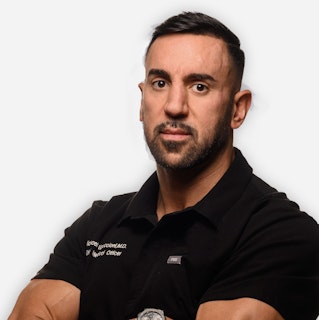
Dr. Michael U. is a board-certified Emergency Medicine physician and Medical Director with extensive expertise in hormone replacement therapy (HRT), peptide therapy, telemedicine, urgent care, and IV infusion therapy. He trained in Emergency Medicine at Cook County Hospital in Chicago after earning his medical degree from the University of Miami Miller School of Medicine. Dr. Michael U. has practiced as an attending physician in multiple high-volume emergency departments, including Jackson Memorial Health System, Holy Cross Hospital, and HCA Mercy Hospital. Over the years, he has transitioned his practice to integrative and aesthetic medicine, where he currently serves as Medical Director for several clinics and wellness centers across Miami and South Florida. His roles have included oversight of functional medicine, aesthetics, IV therapies, wellness protocols, and patient safety standards. In addition to emergency medicine, Dr. Michael U. has developed a strong focus on regenerative and performance-based therapies. His experience in hormone and peptide therapeutics emphasizes restoring balance, cellular repair, anti-aging interventions, and personalized health optimization. He is also highly skilled in IV infusion therapy for hydration, nutrient replenishment, and wellness enhancement. Areas of Expertise • Emergency Medicine & Urgent Care • Hormone Replacement & Peptide Therapy • Aesthetic & Functional Medicine • IV Infusion Therapy & Wellness Optimization • Telemedicine & Remote Care Delivery • NP/PA Supervision & Collaborative Practice Philosophy of Collaboration: Dr. Michael U. believes in cultivating respectful, empowering partnerships with Nurse Practitioners and Physician Assistants. He values open dialogue, shared learning, and mutual trust, ensuring that providers maintain both autonomy and support in their clinical roles. His approach emphasizes mentorship, evidence-based decision-making, and patient safety, while championing the growth and success of NP-led practices. PLEASE NOTE THAT THE "SCHEDULE II FEE" APPLIES TO ANY SCHEDULED MEDICATIONS THAT ARE PRESCRIBED, NOT JUST SCHEDULE II
Licensed to collaborate with Kentucky nurse practitioners
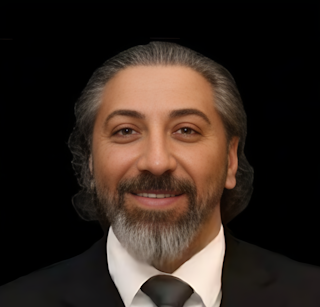
Dr. Sam S. is a licensed psychiatrist with a deep commitment to collaborative, patient-centered mental health care. With experience spanning inpatient, outpatient, and telepsychiatry settings, he brings both clinical insight and academic rigor to every partnership. In addition to his medical training, Dr. S. holds a Doctorate in Higher Education (EdD), a Master of Public Health (MPH), and a Master of Business Administration (MBA), underscoring his dedication to holistic, interdisciplinary care. Dr. S. has served in diverse roles—from inpatient psychiatry and partial hospitalization (PHP/IOP) to faculty appointments and medical education leadership. His work as a psychiatrist includes care delivery at Onvida Health, Happier Living, and Rogers Behavioral Health, and he previously held academic leadership positions at the American University of Barbados and several U.S. colleges. Dr. S. is board-eligible and currently licensed in multiple states, including Arizona, Illinois, Florida, Michigan, Wisconsin, and Connecticut. A long-time advocate for the collaborative care model, Dr. S. has worked closely with nurse practitioners throughout his career. He emphasizes strong communication, clear documentation, and mutual respect in all clinical relationships. Areas of Expertise • Adult Outpatient & Inpatient Psychiatry • Telepsychiatry & Virtual Collaboration • Severe Mental Illness & Crisis Stabilization • Psychiatric Evaluations & Medication Management • Public Health & Preventive Psychiatry • Medical Education & Curriculum Development • Leadership in Clinical and Academic Settings • Organizational Change & Health Systems Improvement Dr. Sam S. brings a rare blend of clinical acumen, academic leadership, and interpersonal skill to each NP collaboration. With a passion for education, patient outcomes, and system-wide innovation, he is a reliable and supportive partner for nurse practitioners seeking thoughtful, engaged psychiatric oversight.
Licensed to collaborate with Kentucky nurse practitioners

I am a board-certified Family and Addiction Medicine physician with over 15 years of experience spanning primary care, occupational health, aerospace medicine, and behavioral health. Licensed in all 50 states, I currently serve as Chief Medical Officer at Better U and CEO of Bespoke Concierge MD, where I design patient-centered care models and manage multidisciplinary provider networks across both telehealth and in-person settings. My background includes extensive collaboration with nurse practitioners and physician assistants in hospital, ambulatory, and virtual environments, emphasizing mentorship, quality oversight, and supportive team dynamics. As a Flight Surgeon in the U.S. Air Force Reserve, I bring operational medicine expertise and a commitment to service, while my Harvard healthcare leadership training and active involvement in professional societies reflect my dedication to advancing both patient care and provider collaboration. I am passionate about building high-functioning clinical teams and fostering an environment where advanced practice providers can thrive. ADD $100 TO OVERALL FEES FOR TN AND GA
Licensed to collaborate with Kentucky nurse practitioners
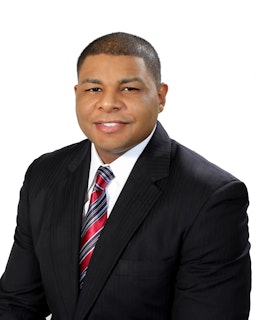
Dr. Daniel O. is an accomplished physician with more than 10 years of post-residency clinical experience, specializing in Addiction Medicine and Pediatrics while providing comprehensive care across a broad range of medical and wellness services. Throughout his career, he has combined clinical expertise with strong physician leadership, delivering high-quality, patient-centered care in both traditional medical practices and innovative healthcare settings. In addition to his extensive clinical experience, Dr. Daniel O. has developed expertise in aesthetic medicine, IV hydration therapy, hormone replacement therapy (HRT), ketamine infusion therapy, medical weight loss, primary care, and addiction medicine. With more than five years of procedural experience, he has performed a wide variety of minimally invasive aesthetic and wellness procedures while maintaining a strong commitment to patient safety, evidence-based care, and exceptional clinical outcomes. Dr. Daniel O. has also served as Medical Director for more than 10 practices across the United States, providing clinical oversight, regulatory guidance, and quality assurance to multidisciplinary healthcare teams. His extensive experience collaborating with Nurse Practitioners has allowed him to build effective, supportive partnerships that promote clinical excellence, professional growth, and outstanding patient care. Areas of Expertise • Addiction Medicine • Pediatrics • Primary Care • Medical Weight Loss • Hormone Replacement Therapy (HRT) • Ketamine Infusion Therapy • Aesthetic Medicine • IV Hydration Therapy • Comprehensive Patient Evaluations • Preventive Medicine • Medication Management • Wellness & Lifestyle Medicine • Clinical Procedures • Medical Directorship & Practice Leadership • Nurse Practitioner Collaboration & Supervision Philosophy of Collaboration Dr. Daniel O. believes that successful physician–NP collaboration is built on mutual trust, accessibility, and a shared commitment to delivering exceptional patient care. Having collaborated with Nurse Practitioners across multiple practices throughout the United States, he values creating supportive professional relationships that encourage open communication, clinical excellence, and continuous learning. His collaborative approach is practical, responsive, and mentorship-focused. As an experienced Medical Director, he provides timely guidance, thoughtful clinical oversight, and evidence-based recommendations while respecting the autonomy and expertise of the Nurse Practitioners he collaborates with. He believes that empowering clinicians through education and teamwork leads to better decision-making and improved patient outcomes. Drawing on his broad experience in addiction medicine, pediatrics, wellness medicine, aesthetics, and healthcare leadership, Dr. Daniel O. is committed to fostering collaborative partnerships that prioritize patient safety, professional development, and high-quality, compassionate care. He strives to be an accessible physician partner who helps Nurse Practitioners build confidence while delivering outstanding care across a variety of clinical settings.
Licensed to collaborate with Kentucky nurse practitioners

Practicing physician in hospital medicine. I have experience in telemedicine and have been collaborating for the past year. I have experience with primary care, IV infusions, aesthetics procedures including dermal fillers/botox.
Licensed to collaborate with Kentucky nurse practitioners

Dr. P is a dedicated collaborating physician with extensive experience in telemedicine and a broad range of specialties, including female and male sexual health, weight loss medicine (with expertise in GLP-1 prescribing), pediatrics, breastfeeding medicine, and medical aesthetics. With a strong belief in teamwork and shared decision-making, Dr. P fosters a collaborative approach to patient care, particularly enjoying the opportunity to support and work alongside nurse practitioners. Her communication style is open, supportive, and solution-focused, ensuring that both patients and healthcare providers feel heard and valued. By leveraging telemedicine, Dr. P is able to provide accessible, high-quality care to patients while also offering guidance and clinical insight to nurse practitioners in a variety of settings. Passionate about improving patient outcomes, she remains committed to staying at the forefront of medical advancements and best practices in their areas of expertise. Dr. P has spent over a decade in the academic setting, and has written and authored several national clinical policy guidelines. She has a Masters of Public Health and a Masters in Clinical Research, and brings the passion of evidence-based medicine to her clinical practice and collaborative relationships.
Licensed to collaborate with Kentucky nurse practitioners

Dr. Aneel U. is an experienced psychiatrist and entrepreneur on a mission to make a meaningful difference in patient outcomes amidst a mental health crisis. He is at the forefront of innovation and cutting edge technology with a focus on improving access to care, and delivering high quality measurement based care at scale. He has 46 state licenses and loves working with Nurse Practitioners and Physician Assistants eager to start their practices and make a positive difference in their communities. Dr. Ursani earned his dual bachelor’s degree from University of California, Berkeley in Cell Biology and Psychology before he completed medical school at St. George’s University and psychiatry residency training at Eastern Virginia Medical School. He is currently working on his executive MBA at UC Berkeley. He has served as a clinical advisor to several different mental health start ups, as well as engaged in physician leadership roles at numerous companies including Cerebral, Lifestance, Amwell, Klinic, and Revive Telehealth. He has developed clinical quality programs through cross-collaborative efforts with engineering, product, and data scientists, and has led hundreds of providers in delivering high quality evidence based care. He has a particular focus on treatment resistant and high risk patient populations.
Licensed to collaborate with Kentucky nurse practitioners
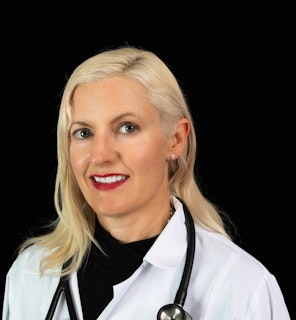
Dr. Hope B. is a board-certified psychiatrist with more than 25 years of clinical experience across diverse settings, including general adult psychiatry, inpatient psychiatry, community mental health, geriatric psychiatry, addictions treatment, and correctional psychiatry. She is highly skilled in the evaluation and medication management of major depression, anxiety disorders, bipolar disorder, PTSD, OCD, schizoaffective disorder, schizophrenia, and substance use disorders. In recent years, Dr. Hope B. has focused on consultation-liaison psychiatry within major hospitals across the United States, as well as providing psychiatric care in emergency departments and crisis stabilization units. She also has extensive experience with telepsychiatry, enabling her to deliver accessible, evidence-based care to diverse patient populations nationwide. Areas of Expertise • Consultation-Liaison Psychiatry & Emergency Psychiatry • Inpatient Psychiatry & Crisis Stabilization • Geriatric Psychiatry & Complex Comorbidity Management • Addiction Psychiatry & Suboxone Treatment • Telepsychiatry & Remote Care Models • Corrections Psychiatry & Forensic Psychiatry • Major Depression, Anxiety, Bipolar Disorder, PTSD, OCD, Schizophrenia • Supervision and Collaboration with NPs and PAs Philosophy of Care: Dr. Hope B. brings a compassionate, whole-patient approach to psychiatry, integrating her broad experience in both inpatient and outpatient care. She believes in collaborative treatment models that prioritize safe, effective care while fostering the growth and independence of nurse practitioners and physician assistants.
Licensed to collaborate with Kentucky nurse practitioners
Kentucky Fair Price benchmark (2026)
From 20+ signed contractsSource: NP Collaborator Fair Price Report, Edition 1, 2026. Figures reflect real signed collaboration agreements, not survey estimates or vendor list prices.
See the full Kentucky collaborating physician cost breakdown →What Kentucky Requires at a Glance
Topic | What to know in Kentucky | Source |
|---|---|---|
Practice authority | Kentucky regulates APRN practice under a reduced-practice framework administered by the Kentucky Board of Nursing. | APRNs—general practice authority — KRS Chapter 314 / Kentucky Board of Nursing APRN Practice |
Collaboration framework | APRNs should review the Kentucky collaboration framework in 201 KAR 20:057 when structuring practice and prescriptive relationships with a collaborating physician. | APRN practice collaboration framework — 201 KAR 20:057 |
Controlled substances | Controlled-substance prescribing is governed by Kentucky Board of Nursing APRN prescriptive-authority rules and federal DEA prescription rules. | APRN prescriptive authority — Kentucky Board of Nursing APRN Prescriptive Authority |
Prescriptive authority overview | Use the Board's prescriptive-authority overview for Kentucky's broader prescribing framework, including controlled-substances context. | Prescriptive authority overview — Kentucky Board of Nursing Prescriptive Authority |
Governing board | The Kentucky Board of Nursing is the main state regulator for APRN licensure, practice, and prescriptive authority questions. | Laws and regulations landing page — Kentucky Board of Nursing Laws and Regulations |
Telehealth and remote collaboration | Kentucky-specific telehealth workflows should be evaluated alongside APRN practice rules; for operational planning, national guidance stresses that licensure and collaboration questions attach where the patient is located. | verify with the Kentucky Board of Nursing |
How Practice Actually Functions in the Commonwealth
Kentucky's current regulatory environment reflects a pragmatic approach to APRN expansion. Unlike states with binary full or reduced practice models, Kentucky created an achievement-based system that acknowledges clinical experience. All APRNs must begin their journey with collaborative practice agreements—specifically, the Collaborative Agreement for Prescriptive Authority for Non-Scheduled Legend Drugs (CAPA-NS) and the Collaborative Agreement for Prescriptive Authority for Controlled Substances (CAPA-CS).
The critical distinction entered Kentucky law on June 29, 2023. APRNs who have maintained CAPA agreements for at least four years and meet continuing requirements can petition the Kentucky Board of Nursing to discontinue their non-controlled substance collaborative agreement entirely — for CAPA-NS, this is done by simple notification to the KBN. For controlled substances, after four years of maintaining a CAPA-CS, nurse practitioners may apply for a formal exemption from the KBN, which conducts a background check and verifies DEA/KASPER registration before issuing written approval. The APRN must continue maintaining the CAPA-CS until written Board approval is received. This distinction between the CAPA-NS notification process and the CAPA-CS formal application process highlights the different procedural steps required for each type of prescriptive authority exemption.
Understanding Your Prescriptive Authority Agreement
Successful practice begins with a properly structured collaborative agreement. The Kentucky Board of Nursing mandates specific components in both CAPA-NS and CAPA-CS documents:
Standardized forms: The KBN has established required templates that both parties must use and sign. Certain forms, such as death certificates and disabled person placard forms, can be signed by nurse practitioners as permitted by Kentucky state law.
Population focus documentation: Clearly identify your population (family, acute care, pediatrics, etc.) aligned with your certification
Practice setting specification: Include every location where prescribing occurs; agreements don't automatically transfer between sites
Contact information accuracy: Both providers' names, license numbers, phone numbers, and practice addresses must match exactly what the KBN has on file
Portal submission: Within 30 days of execution, both parties must upload the agreement to the KBN portal along with proof of physician licensure
Annual review requirement: Agreements must be revisited yearly with documentation of any amendments
Rescission procedures: Either party can terminate with written notice, though 30 days' notice is professionally expected. Important: if a CAPA-NS ends unexpectedly, a 30-day grace period exists for nonscheduled prescribing. However, there is no grace period for CAPA-CS — if the controlled substance agreement ends, the APRN must immediately cease all controlled substance prescribing.
Scope limitations: The agreement can impose restrictions more stringent than state regulations; physician preferences regarding specific medication classes, dosing ranges, or patient populations are legally enforceable
Required details: All required details, including continuing education and authorization processes, must be included in the collaborative agreement documentation.
CAPA-CS requirement: For prescribing controlled substances, nurse practitioners must have a Collaborative Agreement Prescriptive Authority for Controlled Substances (CAPA-CS) in place.
Controlled Substance Prescribing: Legal Boundaries and Expectations
Kentucky nurse practitioners have reduced practice authority and must have a collaborative agreement with a supervising physician to prescribe medications. Kentucky law permits APRN prescribing of Schedule III through V controlled substances under specific conditions. Schedule II narcotics require more restrictive protocols. Here's what the actual landscape looks like:
What you can prescribe: Schedules III, IV, and V controlled substances within your CAPA-CS parameters. You can also prescribe Schedule II hydrocodone combination products and certain Schedule III narcotics under defined circumstances.
What carries limitations: Schedule II medications are restricted to a 72-hour supply with no refills for all APRN prescriptions — this is a universal APRN limit under KRS 314.011(8)(a), not specific to collaboration status. Exceptions: hydrocodone combination products may be prescribed for up to a 30-day supply with no refills; however, when prescribed for acute pain, the limit is a 3-day supply unless one of eight documented exceptions per the 2016 CDC opioid prescribing guidelines applies. Psychiatric-mental health APRNs may prescribe a 30-day supply of Schedule II psychostimulants. Psychostimulants for ADHD follow similar parameters.
DEA registration requirements: You must hold a current DEA registration certificate. The KBN requires verification of this registration within 30 days of prescribing any controlled substance. You also must be registered with KASPER—Kentucky's prescription drug monitoring program—and maintain active master account status.
New prescriber protocols: If you didn't have a CAPA-CS before June 29, 2023, you face mandatory meeting schedules. First-year quarterly meetings reviewing your KASPER reports and prescribing patterns are non-negotiable. In years 2 through 4, meetings transition to bi-annual frequency. Your collaborating physician must be prepared to discuss clinical decision-making, patient monitoring, and any concerning patterns. Meeting records must be retained by both parties for at least one year past CAPA-CS expiration and are subject to audit by the KBN and KBML.
PDMP compliance: Before prescribing any controlled substance, you must query KASPER. This isn't optional and must be documented in the medical record. Board audits specifically examine whether PDMP checks occurred and were appropriately documented.
Employment requirements: First-year controlled substance prescribers must be employed by an actual healthcare entity—not self-employed. This requirement ensures real organizational structure and documentation systems are in place during your initial practice period.
Compliance Expectations You Must Prioritize
Kentucky's compliance framework goes beyond basic registration. Here's what the Board actually audits:
Chart documentation standards: Your medical records must clearly reflect the clinical reasoning behind prescribing decisions, particularly for controlled substances. Auditors examine whether diagnoses, patient history, and symptom assessment justify the medications prescribed.
KASPER integration: Every controlled substance prescription should have documented evidence of a PDMP check. Create a paper trail showing when you checked, what you found, and how it informed your decision-making.
Meeting documentation: If you're in the first four years of controlled substance prescribing, maintain meticulous records of physician meetings — quarterly in year 1, bi-annually in years 2–4. Write contemporaneous notes summarizing discussion topics, feedback received, and any recommendations. Keep these for one year beyond agreement expiration.
Quarterly reporting: Some healthcare organizations require NPs to submit prescribing data quarterly. Even if your employer doesn't, tracking your own patterns proactively demonstrates diligence.
Audit preparation: The KBN conducts unannounced practice site visits. Your prescribing records must be immediately accessible. Auditors will ask to see documentation, medication samples storage, and collaboration evidence.
Physician engagement: Regular communication with your collaborating physician creates a protective relationship. Monthly emails highlighting complex cases or prescribing patterns maintain the collaborative spirit that regulators expect.
Telemedicine and Remote Collaboration Opportunities
Telehealth and remote collaboration
Telehealth does not remove the need to map licensure, prescribing, and collaboration rules carefully. Before adding telehealth across state lines, map each state where patients will actually be sitting — that is where licensure and the collaborative-agreement requirement attach, not where the clinician is.
As a matter of common practice, remote collaboration works best when the NP and collaborating physician document how consultation happens, when chart review occurs, and how urgent questions are escalated. For broader telehealth workflow guidance, the AMA's telehealth quick guide is a useful operational reference.
Kansas Collaborating Physician Cost Reference
For a complete cost breakdown, contract-based benchmarks, and methodology, see our Kansas collaborating physician cost guide
Why the NPCollaborator Approach Makes Practical Sense for Kentucky NPs
Selecting a collaborating physician traditionally required significant legwork. You'd network with local practitioners, negotiate terms informally, and hope the arrangement remained stable. NPCollaborator restructures this entire process for Kentucky practitioners:
Faster setup: Rather than spending months networking and negotiating, you receive qualified physician matches within 1–2 weeks. Kentucky regulations require agreements be filed within 30 days—NPCollaborator ensures you meet that timeline.
Compliance-first design: The platform specifically understands Kentucky's CAPA-NS and CAPA-CS requirements, KBN submission protocols, and documentation standards. Your agreement comes pre-built to pass regulatory scrutiny.
Stability assurance: If your original physician becomes unavailable, the platform facilitates transition to a replacement without recreating agreements from scratch. This matters significantly—disrupted collaboration causes practice interruption.
Flexibility across practice types: Whether you're employed, independent, part-time, or building a group practice, NPCollaborator adapts. The matching algorithm accounts for your practice model, location, and specialty needs.
To access more details about compliance resources or legal templates, click on the provided links throughout this page. Learn more about the benefits of using NPCollaborator or joining relevant professional organizations to support your career as a Kentucky nurse practitioner.
Finding Your Ideal Collaborating Physician in Kentucky
The modern approach differs markedly from how this worked five years ago. Rather than cold-calling local practices or relying entirely on nursing networks, several pathways now exist:
Structured networks: Organizations like NPCollaborator maintain databases of Kentucky physicians specifically willing to collaborate. They've pre-screened for reliability, legal standing, and willingness to engage meaningfully.
Hospital medical staff connections: Many Kentucky hospitals maintain lists of physicians open to collaboration. Ask your hospital's credentialing office about these opportunities.
Primary care recruitment organizations: Companies assisting with physician recruitment sometimes facilitate NP-physician matches as a secondary service.
Professional associations: The Kentucky Nurses Association and specialty nursing organizations occasionally connect practitioners informally.
Local healthcare systems: Directly approaching healthcare system leadership about employment or collaboration is often effective, especially in rural areas facing access challenges.
The critical distinction between effective and problematic relationships: involvement quality. A physician who signs agreements but remains unavailable creates false security and regulatory risk. You need genuine partnership where the physician understands your practice, reviews your work meaningfully, and provides actual mentorship.
What to Look for in a Physician Partner
Your collaborating physician significantly influences your practice sustainability. Evaluate potential partners against these specific criteria:
Communication style: You'll work together regularly. Compatible communication preferences matter. Some physicians prefer detailed monthly emails; others want brief quarterly meetings. Clarify expectations early.
Response time standards: When you need consultation, how quickly does your physician typically respond? Establish this expectation formally. Define "within 24 hours" versus "within business hours."
Specialty knowledge: Your physician should understand your practice area thoroughly. A pediatric NP needs a pediatrician or family physician with strong pediatric experience, not a dermatologist with rusty pediatric knowledge.
Controlled substance experience: If prescribing controlled substances, your physician must have contemporary knowledge of addiction risks, PDMP interpretation, and pain management guidelines. This isn't theoretical—auditors notice if your physician seems unfamiliar with current best practices.
Geographic proximity or telemedicine willingness: Whether in-person or virtual, your physician must be reasonably available for consultation. A physician in another state with only email communication creates compliance vulnerability.
Mentorship inclination: The best collaborations involve genuine mentorship. Does this physician want to help you develop, or merely sign paperwork? The latter eventually causes problems.
Elements That Make Long-Term Collaboration Succeed
Beyond credentials and availability, certain relationship factors predict collaboration longevity:
Mutual respect: Both parties recognize the other brings valuable skills and perspective. The physician respects your training and clinical judgment; you respect their oversight role.
Clear documentation: Everything—fees, meeting frequency, communication method, scope limitations, dispute resolution—gets documented in writing. Assumptions about unstated expectations cause most collaboration failures.
Reasonable oversight scope: The collaborating physician reviews your work meaningfully without micromanaging every decision. The balance prevents both neglect and excessive control.
Professional interaction: This is a business relationship. You maintain professional boundaries while building genuine working partnership.
Flexibility and adaptation: Both parties acknowledge that practice evolves. Annual agreement review provides opportunity to adjust terms based on actual experience.
Frequently Asked Questions About Kentucky NP Practice
Q: Can I prescribe non-controlled medications immediately after licensure, or do I need the four-year wait?
A: No wait period exists for non-controlled substances. You can prescribe immediately with a valid CAPA-NS in place. After four years of responsible practice, you can notify the KBN and prescribe non-controlled drugs independently — no formal application required.
Q: What happens if my collaborating physician becomes unavailable mid-year?
A: You must notify the KBN within 30 days and establish collaboration with a different physician. For CAPA-NS, a 30-day grace period exists during the transition. For CAPA-CS, there is no grace period — you must immediately cease all controlled substance prescribing until a new agreement is in place. This underscores why stable collaboration matters—disruptions create practice complications.
Q: Are the quarterly physician meetings really mandatory, or is there flexibility?
A: They're legally required for new APRN controlled substance prescribers in the first year. You can meet virtually or by phone, but the meetings must occur and be documented. After year one, these transition to bi-annual meetings for years 2 through 4.
Q: Can I practice independently in rural areas without physician collaboration?
A: Not initially. Even in rural HPSAs, new prescribers must have collaborative agreements. However, after four years, you can apply for exemptions. Rural practitioners have sometimes successfully argued for geographic waivers if no suitable physician collaboration exists locally.
Q: How does the transition work when I'm eligible for the four-year exemption?
A: The process differs for each agreement type. For CAPA-NS (non-controlled drugs), you simply notify the KBN that four years have been completed — no formal application needed. For CAPA-CS (controlled substances), you submit a formal request to the KBN demonstrating four years of prescribing, good standing status, and current DEA/KASPER registration. The Board conducts a background check, verifies your history, and issues written approval. You must maintain the CAPA-CS until written notification is received.
Q: Does employment status affect my collaboration requirements?
A: Your employer might require you maintain collaboration regardless of your legal exemption status. Even experienced independent prescribers sometimes must maintain physician oversight agreements due to employment terms or malpractice insurance requirements.
Q: What if my physician and I disagree about appropriate prescribing?
A: Your collaboration agreement should address dispute resolution. If disagreements become significant, this signals the partnership isn't working. Changes to your CAPA terms can be negotiated, or you can change collaborating physicians.
Disclaimer: This page summarizes NP Collaborator's interpretation of Kentucky statutes, Board of Nursing rules, and DEA regulations governing nurse practitioner collaborative practice as of the date shown above. It is provided for informational purposes only and does not constitute legal, regulatory, or clinical advice. Laws and rules change — always verify current requirements directly with the Kentucky Board of Nursing or a qualified healthcare attorney before making practice decisions.
Related resources
NP Collaborative Agreement Template (Free Download)
Get a free 50+ page collaborative agreement template covering all 50 states. Includes sample language, filing requirements and NP-protective clauses.
Read moreGuidesBrowse All NP Resources
Guides, comparisons, templates and tools for nurse practitioners in one place.
Read moreComparisonsBest Collaborating Physician Platforms (2026)
Honest comparison of the top NP collaborating physician platforms. Transparent all-inclusive pricing starting at $424/mo.
Read moreToolsNP Collaboration Savings Calculator
Calculate how much you can save on collaboration fees. Compare costs and find the best rates in your state.
Read more