Michigan nurse practitioners prescribe non-controlled medications independently but need a written physician delegation for Schedule II–V controlled substances under R 338.10404b. The physician retains the original authorization and must review it annually. Both names and DEA numbers appear on every controlled substance prescription. Schedule II prescriptions cannot exceed a 90-day supply. MAPS queries are mandatory for Medicaid patients.
Quick answer: In Michigan, a nurse practitioner needs a collaborating physician for controlled-substance prescribing because Michigan's nursing rule requires a collaborative relationship when an NP prescribes controlled substances under R 338.10404b. The broader practice framework is governed by Michigan nursing rules at Mich. Admin. Code R. 338.10101 to R. 338.10705. Federal DEA rules still apply to the prescription itself and require the prescriber to hold an individual DEA registration under 21 C.F.R. Part 1306.
Find a Collaborating Physician in Michigan
65 verified physicians ready to collaborate · Fees $449–$949/mo
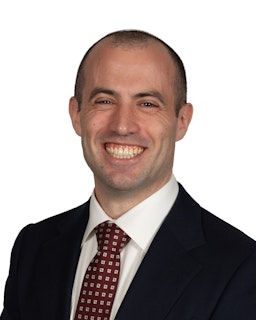
Dr. Colby U, MD, MPH, MBI, FAMIA, is a distinguished, double-board-certified physician specializing in clinical informatics and preventive medicine. As an Associate Chief Medical Informatics Officer, he provides strategic leadership for 166 personnel supporting the largest electronic health record (EHR) system globally, serving over 721 medical facilities and 9.6 million patients. His expertise includes streamlining clinical workflows, leveraging machine learning for EHR optimization, and developing robust interoperability solutions that have significantly improved patient care and provider efficiency. Beyond his federal-level informatics leadership, Dr. U actively practices telemedicine across 19 states and has served as a trusted Medical Director for multiple healthcare companies. His clinical experience spans primary care, women's health, dermatology, occupational medicine, aerospace medicine, and long-term care, positioning him as an exceptionally versatile collaborator for advanced practice providers. Dr. U is also an innovative self-taught software developer who has successfully launched six medical mobile and web applications, including Med Standards, used by over 50,000 healthcare professionals worldwide. His aptitude for integrating technology into clinical practice translates into tangible benefits for his teams, as demonstrated by his effective oversight of Advanced Practice Providers (APPs) across several states, companies, and specialties. His educational journey is marked by prestigious academic credentials, including a Master's in Biomedical Informatics from Harvard Medical School, a Master's in Public Health from the Uniformed Services University, and an MD from Vanderbilt University. His continuous involvement in teaching, from serving as a Clinical Fellow at Harvard to his current role as Adjunct Assistant Professor at the Uniformed Services University, underscores his commitment to mentorship and education. Dr. U’s scholarly contributions include ten peer-reviewed publications, extensive presentations, workshops, and lectures nationally and internationally. He consistently champions evidence-based practices and technological innovation in healthcare delivery, providing APPs under his collaboration access to cutting-edge knowledge and practices. Recognized extensively for his leadership and innovation, Dr. U has earned numerous accolades, including multiple Health IT Innovation Awards and the President’s Award from the American College of Preventive Medicine. His dynamic leadership style, coupled with a profound understanding of the complexities of healthcare systems, ensures that the APPs he supervises are supported, empowered, and provided opportunities for professional growth. As a collaborative physician, Dr. U believes in fostering supportive, communicative, and growth-oriented relationships with advanced practice providers. He is dedicated to nurturing an environment where clinical excellence is seamlessly integrated with technological innovation to deliver exceptional patient care. His approach not only enhances clinical outcomes but also enriches professional satisfaction and development among APPs. Dr. U’s multidisciplinary expertise, innovative approach to healthcare, and proven leadership make him an ideal collaborative physician for advanced practice providers looking to excel in a forward-thinking and supportive clinical environment. ADD $250 FOR NY AND MO. NY AND MO MAY NOT BE USED AS AN ADD-ON STATE AND NOT ELIGIBLE FOR A MULTI-NP DISCOUNT. Note: Currently at capacity in Virginia for non-mental health NP collaborations.
Licensed to collaborate with Michigan nurse practitioners
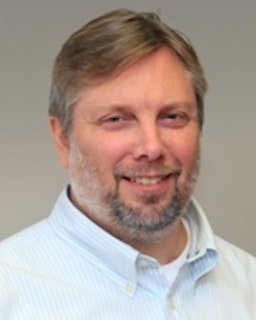
Dr. Robert K. is a distinguished physician board-certified in both Preventive Medicine and Occupational and Environmental Medicine. He holds a Doctor of Medicine and a Master of Public Health from Saint Louis University, and began his academic journey with a Bachelor's degree in Economics from the University of Michigan. Dr. Robert K. currently leads as the International Executive Physician and Global Director for Industrial Hygiene and Toxicology at Ford Motor Company, where he guides a multidisciplinary team across multiple continents to advance workplace health and safety. He has previously held influential medical leadership roles at organizations such as General Motors, Kaiser Permanente, and Sutter Health. A Fellow of the American College of Occupational and Environmental Medicine, Dr. Robert K. is renowned for his expertise in employee wellness, industrial safety, toxicology, and injury prevention. He is also a seasoned lecturer and consultant, known for his fluency in Spanish and working proficiency in Portuguese, which enhance his effectiveness in global health collaborations. Areas of Expertise • Occupational & Preventive Medicine • Industrial Hygiene & Toxicology • Employee Wellness & Injury Prevention • Global Health Leadership & Team Oversight • Medical Direction in Corporate Health • Multinational Consultation & Training • Multilingual Clinical Communication (English, Spanish, Portuguese) Philosophy of Collaboration: Dr. Robert K. values evidence-based practice, transparent leadership, and cross-disciplinary synergy. He is committed to promoting health and safety through collaborative partnerships, mentorship, and applied innovation.
Licensed to collaborate with Michigan nurse practitioners
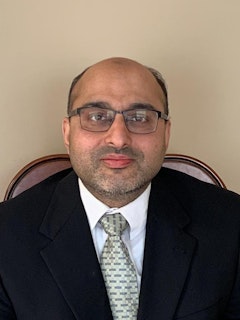
Experienced Family Medicine Physician with Expertise in Holistic and Aesthetic Care Dr. Salman R is a highly skilled and compassionate Family Medicine Physician with over 25 years of experience in providing comprehensive care to patients. With a diverse medical background, he is dedicated to enhancing patient well-being through a combination of primary care, medical aesthetics, and innovative health solutions. He has practiced in various healthcare settings and is affiliated with leading hospitals, including McLaren Greater Lansing Hospital and University of Michigan Health-Sparrow. Areas of Expertise Primary Care and Chronic Disease Management: Depression, Hypertension, and Dementia Geriatric Care: Alzheimer's Disease and Subacute Cerebellar Degeneration Medical Aesthetics: Advanced treatments for skin rejuvenation and anti-aging Medical Weight Loss and Hormone Replacement Therapy Men’s Health IV Hydration Therapy Patient-Centered Care Dr. Salman R is deeply committed to addressing the diverse health needs of his patients. From managing complex medical conditions to offering aesthetic and wellness treatments, he provides a holistic approach that prioritizes long-term health and quality of life. Collaboration with Nurse Practitioners Dr. Salman R values collaboration and mentorship, working closely with Nurse Practitioners to deliver exceptional care. He is dedicated to empowering NPs through shared knowledge, ensuring they feel confident in providing evidence-based treatments across a broad spectrum of care. Whether you're seeking guidance in primary care, aesthetics, mental health, or advanced wellness services, Dr. Salman R brings a wealth of experience to help you grow your practice and deliver outstanding patient outcomes.
Licensed to collaborate with Michigan nurse practitioners
See all 65 collaborating physicians in Michigan
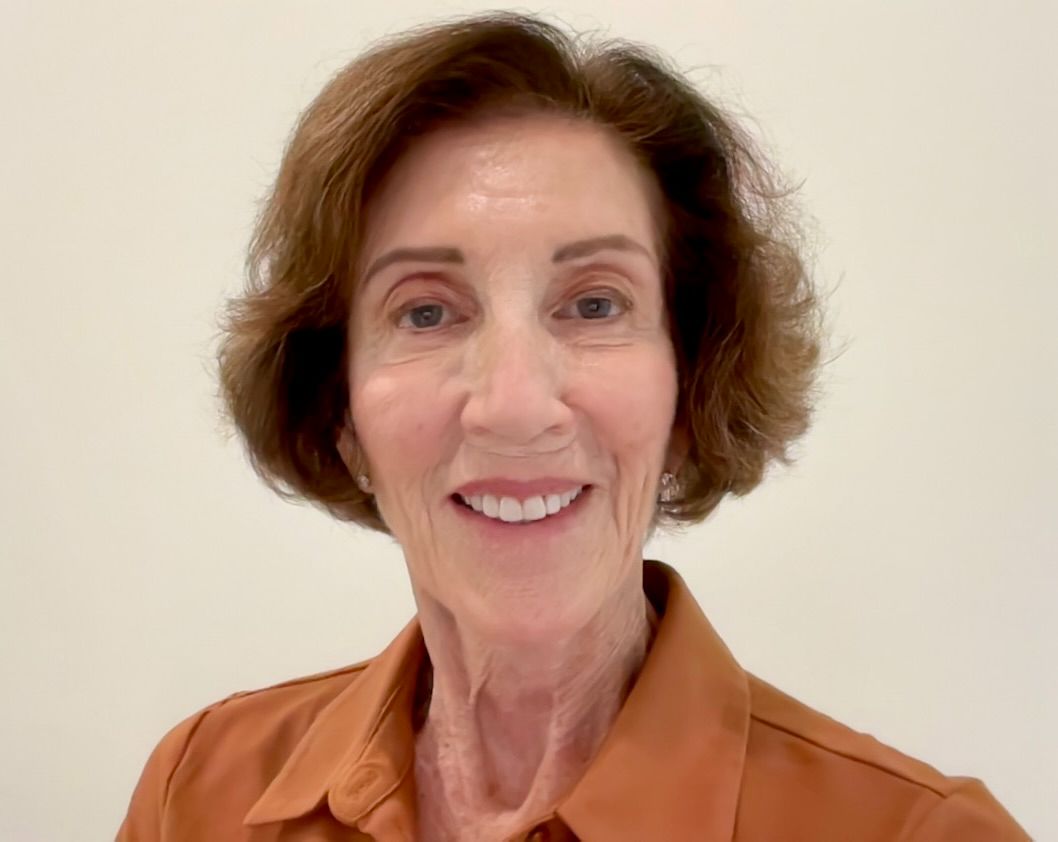
Dr. Etta L. brings a broad clinical perspective developed through experience in diverse healthcare settings, including Kaiser Permanente, the VA, and mental health clinics. Working with varied patient populations and multidisciplinary teams has given her familiarity with different clinical workflows, electronic medical record systems, and approaches to coordinated patient care. Dr. Etta L. has approximately 20 years of experience teaching medical students and residents at the University of California, San Diego (UCSD). Her background in medical education has strengthened her ability to explain complex clinical concepts, provide guidance, and support the professional development of other healthcare providers. She also holds a Master of Public Health (MPH) and has served as a co-investigator on several large clinical trials, further developing her understanding of clinical research, accurate documentation, data entry, and effective teamwork. Through her combined experience in clinical practice, medical education, public health, and research, Dr. Etta L. offers a well-rounded perspective on supporting healthcare teams. She is interested in helping Nurse Practitioners strengthen their clinical practice, navigate workflows effectively, and maintain high standards of patient care. Areas of Expertise • Clinical Practice Across Diverse Healthcare Settings • VA and Integrated Healthcare Environments • Mental Health Clinical Settings • Multidisciplinary Team Collaboration • Medical Education and Teaching • Medical Student and Resident Training • Clinical Workflow Optimization • Electronic Medical Record Systems • Clinical Documentation and Data Accuracy • Public Health • Clinical Research and Trial Coordination • Evidence-Informed Practice • Nurse Practitioner Clinical Support • Team-Based Patient Care Philosophy of Collaboration Dr. Etta L. views collaboration with Nurse Practitioners as an opportunity to share clinical knowledge, strengthen decision-making, and support high-quality patient care. Drawing on approximately 20 years of teaching medical students and residents at UCSD, she values an educational approach that encourages questions, open communication, and continued professional development. Her experience across Kaiser Permanente, the VA, and mental health clinics has given her an appreciation for the different workflows, patient populations, and team structures that shape clinical practice. She aims to use this perspective to help NPs navigate clinical challenges, work effectively within practice systems, and maintain clear, accurate documentation. Dr. Etta L. also recognizes the importance of teamwork and reliable processes, informed by her MPH training and experience as a co-investigator on large clinical trials. Her goal is to be a supportive clinical resource for NPs, helping them strengthen their practice, collaborate effectively with colleagues, and provide safe, consistent, patient-centered care.
Licensed to collaborate with Michigan nurse practitioners
Dr. Jody J. is a board-certified Emergency Medicine physician with over 21 years of clinical experience delivering high-quality care in fast-paced and high-acuity environments. Throughout his career, he has served as an emergency physician and staff physician across multiple healthcare systems, including Henry Ford Health System and St. Mary’s Michigan, where he has managed a broad spectrum of acute and complex medical conditions. Dr. Jody J. is recognized for his ability to provide efficient, evidence-based care while maintaining a strong focus on patient safety and outcomes in emergency and urgent care settings. Dr. Jody J. earned his medical degree in Osteopathic Medicine from Michigan State University and completed his training in Emergency Medicine, building a strong foundation in acute care, trauma management, and critical decision-making. His professional background also includes service as a Battalion Surgeon with the 1st Battalion, 24th Marines, where he provided medical support in high-pressure and operational environments. This military experience has strengthened his leadership, adaptability, and ability to perform effectively in demanding clinical situations. In addition to his clinical practice, Dr. Jody J. has experience in clinical instruction, medical record review, and patient care coordination. His career reflects a commitment to excellence in emergency medicine, as well as a dedication to supporting both patients and healthcare teams through clear communication and dependable care delivery. Areas of Expertise • Emergency Medicine & Acute Care Management • Trauma & Critical Care • High-Volume Emergency Department Operations • Rapid Clinical Decision-Making • Patient Safety & Quality Care Delivery • Clinical Instruction & Mentorship • Medical Record Review & Case Evaluation • Military & Operational Medicine • Interdisciplinary Team Coordination Philosophy of Collaboration: Dr. Jody J. believes that effective collaboration is essential in emergency medicine, where timely communication and coordinated action directly impact patient outcomes. He values a team-based approach that brings together physicians, nurses, and allied health professionals to deliver efficient and high-quality care in dynamic clinical environments. Drawing from his extensive emergency and military experience, he emphasizes clear communication, mutual respect, and shared accountability within the care team. Dr. Jody J. supports a collaborative culture where all team members are empowered to contribute their expertise, ensuring that patient care remains safe, responsive, and outcome-driven.
Licensed to collaborate with Michigan nurse practitioners
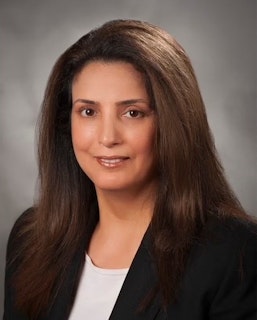
Dr. Malihe R. is an experienced hospitalist and internal medicine physician providing expert, comprehensive care to hospitalized adult patients. She is skilled in diagnosing and treating complex illnesses, coordinating with subspecialists, communicating with primary care providers and families, managing transitions of care, and supervising residents and medical students. She completed her internal medicine residency at the Cleveland Clinic and has worked in multiple hospitals across Michigan, serving as a nocturnist and hospitalist in both permanent and locum positions. Dr. Malihe R. also brings prior experience in outpatient medicine, infectious disease, and international medical practice. Areas of Expertise • Hospital Medicine & Nocturnist Care • Acute & Chronic Disease Management • Complex Care Coordination & Transitions of Care • Supervision of Residents & Medical Students • Internal Medicine & Multidisciplinary Collaboration Philosophy of Care: Dr. Malihe R. values clear communication, evidence-based medicine, and teamwork to deliver safe, effective, and compassionate care for every patient. She is committed to ensuring smooth transitions across the continuum of care while supporting both patients and their families. ADD $100 FOR CA. NO MULTIPLE NP DISCOUNT AND CANNOT BE ADDED AS AN ADD-ON STATE FOR CA.
Licensed to collaborate with Michigan nurse practitioners
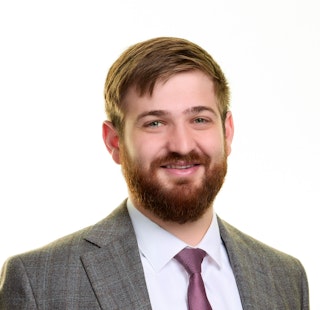
Emergency Medicine Physician | Trauma & Critical Care Trained | NP-Friendly Collaborator Dr. Harrison W. is an Emergency Medicine-trained physician with hands-on experience in one of the busiest trauma centers in the country. He completed his residency at St. Barnabas Hospital in the Bronx, NY, a Level II Trauma, STEMI, and Stroke Center with over 100,000 patient visits annually. Known for his adaptable, team-oriented style and clinical precision, Dr. Harrison brings a strong foundation in acute care, patient stabilization, and multidisciplinary collaboration. Areas of Expertise • Emergency Medicine & Critical Care • Trauma Resuscitation & Acute Stabilization • Procedural Medicine & Rapid Diagnostics • Multispecialty Coordination & Team-Based Care • Telemedicine & Urgent Care Models Collaboration with Nurse Practitioners Dr. Harrison W. is highly collaborative and values the autonomy and clinical skill of Nurse Practitioners. Having mentored medical students and junior residents during residency, he brings a supportive, approachable style to partnerships with NPs. He is eager to assist with clinical questions, treatment planning, and evidence-based decision-making, while respecting NP independence. With a passion for high-quality, efficient patient care, he is especially well-suited to collaborate with NPs in urgent care, emergency telemedicine, IV hydration, weight loss, and primary care settings where rapid clinical decision-making and procedural competency are essential. If you're an NP seeking a dependable, well-trained emergency medicine collaborator who is easy to work with and committed to clinical excellence, Dr. Harrison W. is ready to support your practice and your patients.
Licensed to collaborate with Michigan nurse practitioners
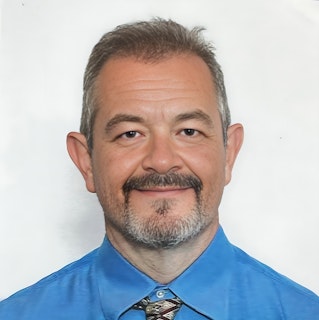
Board-Certified Psychiatrist | Child, Adolescent & Adult Psychiatry | Medical Director | 20+ Years of Experience About Dr. Alfredo S. Dr. Alfredo S. is a board-certified psychiatrist with more than 20 years of experience across a wide range of clinical, administrative, and telehealth settings. He is dual board-certified in Adult Psychiatry and Child & Adolescent Psychiatry and has served as a medical director in multiple behavioral health organizations. Known for his collaborative leadership style and dedication to underserved communities, Dr. S. has worked in both rural and urban systems, providing compassionate care and program development across the full spectrum of psychiatric services. Fluent in English, Spanish, and conversational French, Dr. S. brings a culturally sensitive approach to his practice and has extensive experience supervising nurse practitioners, case managers, peer support specialists, and interdisciplinary care teams. His career includes work in crisis centers, wraparound care programs, subacute units, and outpatient clinics, often leveraging telepsychiatry to increase access to care. He is actively licensed in over 20 states and remains committed to improving care through education, systems design, and quality assurance initiatives. Areas of Expertise • Child and Adolescent Psychiatry • Adult Psychiatry and Severe Mental Illness (SMI) • Borderline Personality Disorder and Dual Diagnosis • Autism spectrum disorder • Geropsychiatric • Substance Use and Alcohol Use Disorders • Community Mental Health and Assertive Community Treatment (ACT) • Wraparound Programs and Early Psychosis Care Dr. Alfredo S. is deeply passionate about building systems of care that prioritize patient dignity, clinical rigor, and access to treatment. With a hands-on, supportive approach to collaboration, he enjoys working alongside nurse practitioners to solve complex cases and ensure high-quality, person-centered care. ADD $100 FOR MICHIGAN AND $125 FOR MISSOURI. MICHIGAN AND MISSOURI MAY NOT BE USED AS AN ADD-ON STATE AND ARE NOT ELIGIBLE FOR MULTIPLE NP DISCOUNT.
Licensed to collaborate with Michigan nurse practitioners
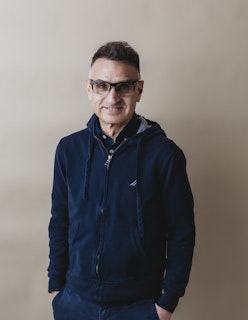
Dr. Lance D. is a triple board-certified psychiatrist in General Psychiatry, Child and Adolescent Psychiatry, and Addiction Medicine, with over a decade of clinical experience across inpatient, outpatient, community, and military healthcare settings. He brings a comprehensive and patient-centered approach to mental health care, managing a wide spectrum of psychiatric conditions across diverse populations. Dr. Lance D. currently serves as a Medical Director in multiple clinical environments, where he provides clinical leadership, ensures high standards of care, and supports multidisciplinary teams in delivering evidence-based treatment. Throughout his career, Dr. Lance D. has developed extensive experience in telehealth and multi-state practice, holding active medical licenses in 27 states and DEA registrations in 11 states. His clinical work is complemented by a strong commitment to education and mentorship, having supervised and guided numerous nurse practitioners and advanced practice providers. His background also includes service as a psychiatrist in the U.S. Army Reserve, which has strengthened his leadership, adaptability, and ability to perform effectively in high-pressure and dynamic environments. Dr. Lance D. is known for his approachable and collaborative practice style, prioritizing clear communication, accessibility, and timely support for both patients and colleagues. He fosters a clinical environment that balances autonomy with accountability, ensuring safe, high-quality psychiatric care while empowering providers to grow professionally. Areas of Expertise • General Psychiatry Across the Lifespan • Child & Adolescent Psychiatry • Addiction Medicine & Substance Use Disorders • Telepsychiatry & Multi-State Practice • Medication Management & Psychopharmacology • Collaborative Care with Nurse Practitioners • Inpatient, Outpatient & Community Mental Health • Military & High-Stakes Clinical Environments • Clinical Leadership & Medical Directorship • Mentorship & Advanced Practice Provider Supervision Philosophy of Collaboration: Dr. Lance D. views collaboration as the foundation of effective psychiatric care and long-term professional success. He is deeply committed to building supportive, collegial relationships with nurse practitioners and other healthcare providers, emphasizing open communication, mutual respect, and shared clinical responsibility. His approach ensures that providers feel both empowered in their autonomy and supported in complex clinical decision-making. With extensive experience supervising and mentoring advanced practice providers, Dr. Lance D. prioritizes timely availability, responsiveness, and practical guidance. He encourages continuous learning, evidence-based discussions, and thoughtful clinical reasoning to enhance both patient outcomes and provider confidence. His military background further reinforces his reliability, teamwork, and commitment to supporting colleagues in demanding environments, making him a dependable and collaborative partner in any clinical setting. FOR CA ADD $100, NO MULTIPLE NP DISCOUNT AND CANNOT BE ADDED AS AN ADD-ON STATE.
Licensed to collaborate with Michigan nurse practitioners
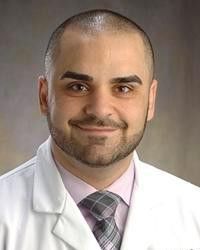
Dr. Annas A. is a highly experienced physician specializing in Physical Medicine & Rehabilitation, Pain Medicine, Addiction Medicine, Hospice and Palliative Medicine, and Traumatic Brain Injury care. He earned his Doctor of Medicine from St. George's University and completed residency training in Physical Medicine & Rehabilitation at Oakland University William Beaumont. He subsequently completed a fellowship in Hospice and Palliative Medicine at the University of Michigan and holds a Master of Health Services Administration from the University of Michigan. Dr. Annas A. is board-certified in Physical Medicine & Rehabilitation, Hospice and Palliative Medicine, Addiction Medicine, Traumatic Brain Injury, and Pain Medicine. His clinical work focuses on patients with complex pain needs, addiction and substance use disorders, end-of-life care, and cancer-related pain. He currently serves as an independent clinician and Physician Lead of the Functional Pain & Rehabilitation service at Ask Health, as well as Medical Director of the Enhance Center for Spine and Sports. In addition to his clinical practice, Dr. Annas A. is an Assistant Professor of Physical Medicine & Rehabilitation at Oakland University William Beaumont School of Medicine and serves as a Site and Course Director for Addiction Medicine. His leadership experience also includes serving as Physician Lead for Beaumont Addiction Medicine and leading a COVID Long Haulers Clinic. His combination of clinical, academic, and administrative experience provides a comprehensive perspective on complex patient care and multidisciplinary healthcare delivery. Areas of Expertise • Physical Medicine & Rehabilitation • Pain Medicine • Complex & Chronic Pain Management • Addiction Medicine • Substance Use Disorders • Hospice & Palliative Medicine • End-of-Life Care • Cancer-Related Pain • Traumatic Brain Injury • Spine & Sports Medicine • Functional Pain & Rehabilitation • Long COVID / Post-COVID Conditions • Multidisciplinary Patient Care • Clinical Leadership & Medical Directorship • Addiction Medicine Education Philosophy of Collaboration Dr. Annas A. believes effective collaboration requires open communication, multidisciplinary teamwork, and a shared commitment to improving patient function and quality of life. His extensive experience across rehabilitation, pain management, addiction medicine, and palliative care has reinforced the importance of bringing together different areas of clinical expertise when caring for medically complex patients. As an academic physician and clinical leader, Dr. Annas A. values education, thoughtful clinical discussion, and continued professional development. He strives to provide advanced practice clinicians with practical clinical support while respecting their knowledge, experience, and role within the healthcare team. His goal is to foster a collaborative relationship where NPs have a dependable physician resource for complex clinical questions and patient-care considerations. Dr. Annas A. views strong physician–NP collaboration as an opportunity to improve care coordination, support sound clinical decision-making, and help clinicians provide comprehensive, patient-centered care.
Licensed to collaborate with Michigan nurse practitioners
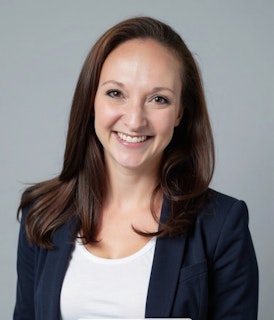
Dr. Ashley S. is a board-certified psychiatrist with over a decade of experience providing comprehensive mental health care across diverse clinical settings. She has treated a wide range of patient populations, from adolescents to older adults, with a strong focus on the intersection of psychiatric disorders and substance use. Dr. Ashley S. is known for her commitment to serving underserved communities with a practical, compassionate, and stigma-free approach to care. Throughout her career, Dr. Ashley S. has developed extensive expertise in managing mood disorders, anxiety disorders, and trauma-related conditions. She is frequently sought out for complex cases where standard treatment approaches have been insufficient, offering thoughtful, individualized strategies grounded in evidence-based practice. Her clinical approach emphasizes careful assessment, effective psychopharmacology, and a deep understanding of each patient’s unique circumstances. Dr. Ashley S. is recognized for her ability to balance clinical rigor with real-world practicality, ensuring that treatment plans are both effective and sustainable. Her experience across varied care environments has shaped a flexible and adaptive approach, allowing her to deliver high-quality psychiatric care while addressing the challenges faced by both patients and providers. Areas of Expertise • General Psychiatry Across the Lifespan • Mood, Anxiety & Trauma-Related Disorders • Substance Use & Co-Occurring Conditions • Complex Case Management & Treatment-Resistant Conditions • Psychopharmacology & Evidence-Based Care • Underserved & High-Need Populations • Diagnostic Evaluation & Treatment Planning • Interdisciplinary Collaboration Philosophy of Collaboration: Dr. Ashley S. believes that effective collaboration is essential to delivering safe, high-quality psychiatric care. She views nurse practitioners as vital partners in the clinical process and prioritizes building relationships grounded in trust, respect, and open communication. Her approach to collaboration is supportive and consultative, focused on strengthening clinical confidence and decision-making rather than unnecessary oversight. She provides accessible guidance, thoughtful input on complex cases, and ongoing support while respecting the autonomy and expertise of her colleagues. Dr. Ashley S. is committed to fostering a collaborative environment where clinicians feel empowered, supported, and never isolated in their practice—ensuring both provider growth and optimal patient outcomes.
Licensed to collaborate with Michigan nurse practitioners
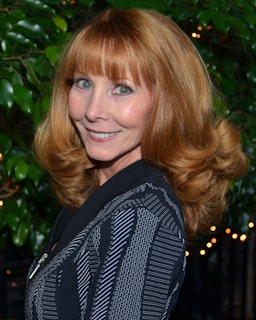
Dr. Laura M. is a double board-certified psychiatrist in both Adult Psychiatry and Child & Adolescent Psychiatry with more than 20 years of clinical experience. Throughout her career, she has worked with a broad range of psychiatric conditions across diverse patient populations, with particular expertise in women’s mental health, child and adolescent psychiatry, and autism spectrum disorders. Dr. Laura M. received specialized women’s mental health training through Massachusetts General Hospital, which is recognized for pioneering research and clinical programs focused on psychiatric care specific to women’s health. Her experience includes treating psychiatric conditions related to reproductive and hormonal transitions while emphasizing compassionate, individualized, and evidence-based care. She also developed advanced experience working with autistic children during her Child & Adolescent Psychiatry fellowship at University of Michigan, where she pursued additional focused training and clinical work involving autism spectrum disorders and developmental psychiatry. Her clinical approach combines diagnostic clarity, thoughtful treatment planning, and strong family-centered communication. Areas of Expertise • Adult Psychiatry • Child & Adolescent Psychiatry • Women’s Mental Health • Reproductive & Perinatal Psychiatry • Autism Spectrum Disorders • Anxiety & Mood Disorders • Family & Developmental Psychiatry • Crisis Support & Complex Case Consultation • Psychopharmacology • Collaborative Psychiatric Care & Mentorship Philosophy of Collaboration Dr. Laura M. believes collaboration should be supportive, educational, and grounded in open communication and mutual respect. She values creating professional partnerships where Nurse Practitioners feel comfortable seeking guidance, discussing difficult cases, and working through complex family dynamics without hesitation. Her collaborative style is approachable, responsive, and mentorship-oriented. She enjoys teaching and sharing clinical insight developed through decades of psychiatric practice and specialized training. Whether providing consultation during crisis situations, reviewing complex presentations, or helping navigate challenging treatment decisions, Dr. Laura M. strives to be an accessible and dependable resource for the clinicians she works with. She respects the autonomy and judgment of Nurse Practitioners while remaining actively engaged and available for support when needed. Her goal is to foster collaborative relationships that strengthen clinical confidence, improve patient care, and create a sustainable, team-oriented practice environment.
Licensed to collaborate with Michigan nurse practitioners
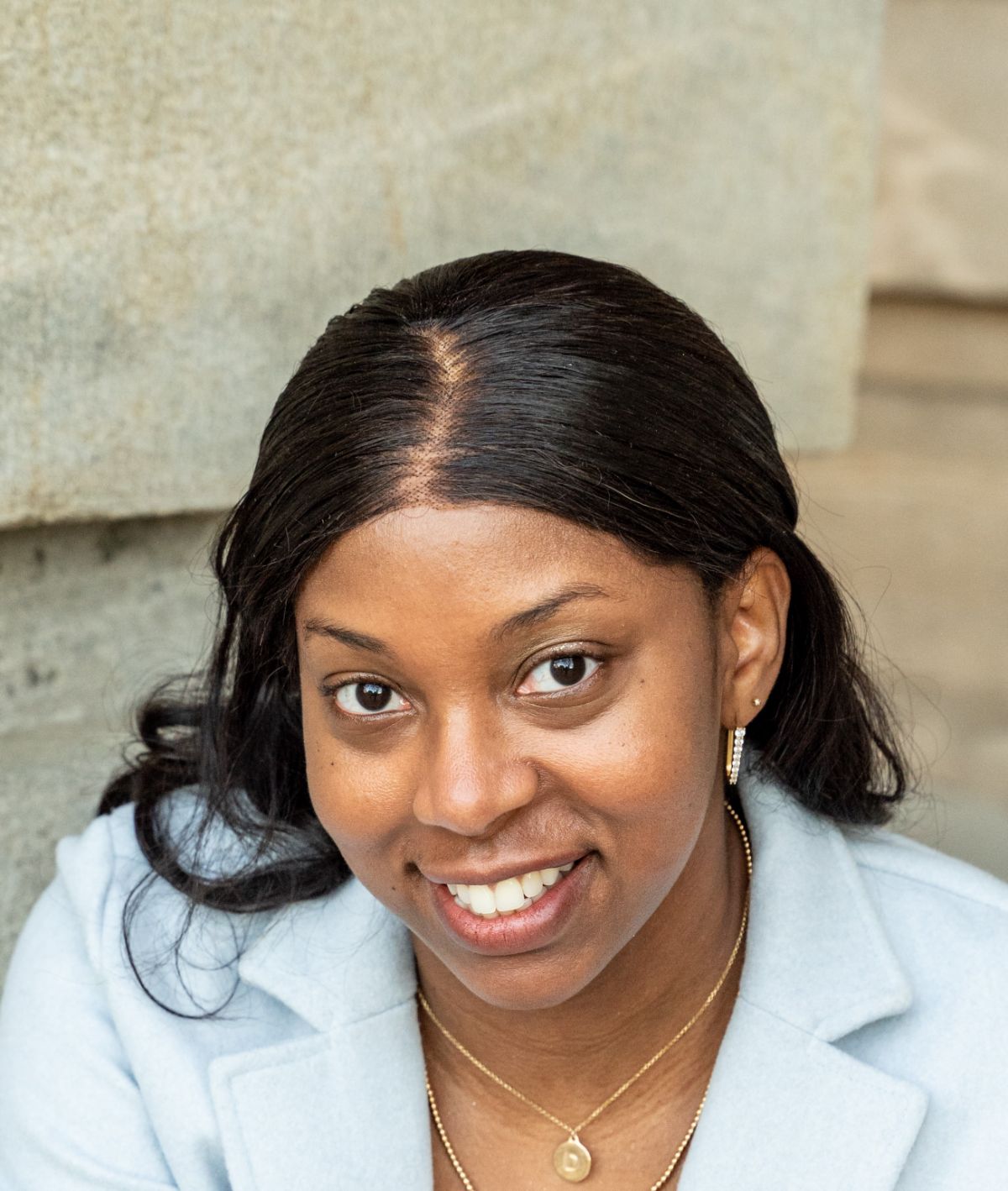
Dr. Danielle K. is a double board-certified General Psychiatrist and Child & Adolescent Psychiatrist with extensive experience caring for patients with complex and severe mental health conditions. Her diverse clinical background includes high-acuity environments such as a Level 1 Trauma Center, emergency psychiatry settings, community mental health clinics, and specialized consultative services. Dr. Danielle K. has developed particular expertise in eating disorders, obsessive-compulsive disorder (OCD), and the care of children with complex medical and psychiatric needs. Her experience across varied clinical settings has provided her with a comprehensive understanding of psychiatric assessment and treatment for patients with significant clinical complexity. She brings a multidisciplinary perspective to patient care and is experienced in working with healthcare professionals across different specialties and practice environments. Throughout her career, Dr. Danielle K. has supervised and partnered with Nurse Practitioners and Physician Assistants in multiple clinical settings. She is committed to collaborative care and values the contributions of advanced practice clinicians in providing accessible, coordinated, and high-quality mental healthcare. Areas of Expertise • General Psychiatry • Child & Adolescent Psychiatry • Complex & Severe Mental Health Conditions • Emergency Psychiatry • Consultation-Liaison Psychiatry • Eating Disorders • Obsessive-Compulsive Disorder (OCD) • Pediatric Psychiatric Care • Complex Medical & Psychiatric Presentations • Level 1 Trauma Center Psychiatry • Community Mental Health • Psychiatric Assessment & Treatment • Multidisciplinary Patient Care • NP & PA Supervision • Physician–APP Collaboration Philosophy of Collaboration Dr. Danielle K. believes effective physician–NP collaboration is grounded in mutual respect, open communication, and a shared commitment to high-quality patient care. Her extensive experience supervising and partnering with NPs and PAs has reinforced the importance of creating a collaborative environment where clinicians can openly discuss complex cases and draw upon each other's expertise. She approaches collaboration as a multidisciplinary partnership, particularly when caring for patients with severe or complex psychiatric and medical needs. Dr. Danielle K. strives to provide thoughtful clinical support while recognizing the knowledge and experience of advanced practice clinicians. Her goal is to foster strong professional relationships that promote sound clinical decision-making, continued learning, and coordinated, patient-centered psychiatric care.
Licensed to collaborate with Michigan nurse practitioners
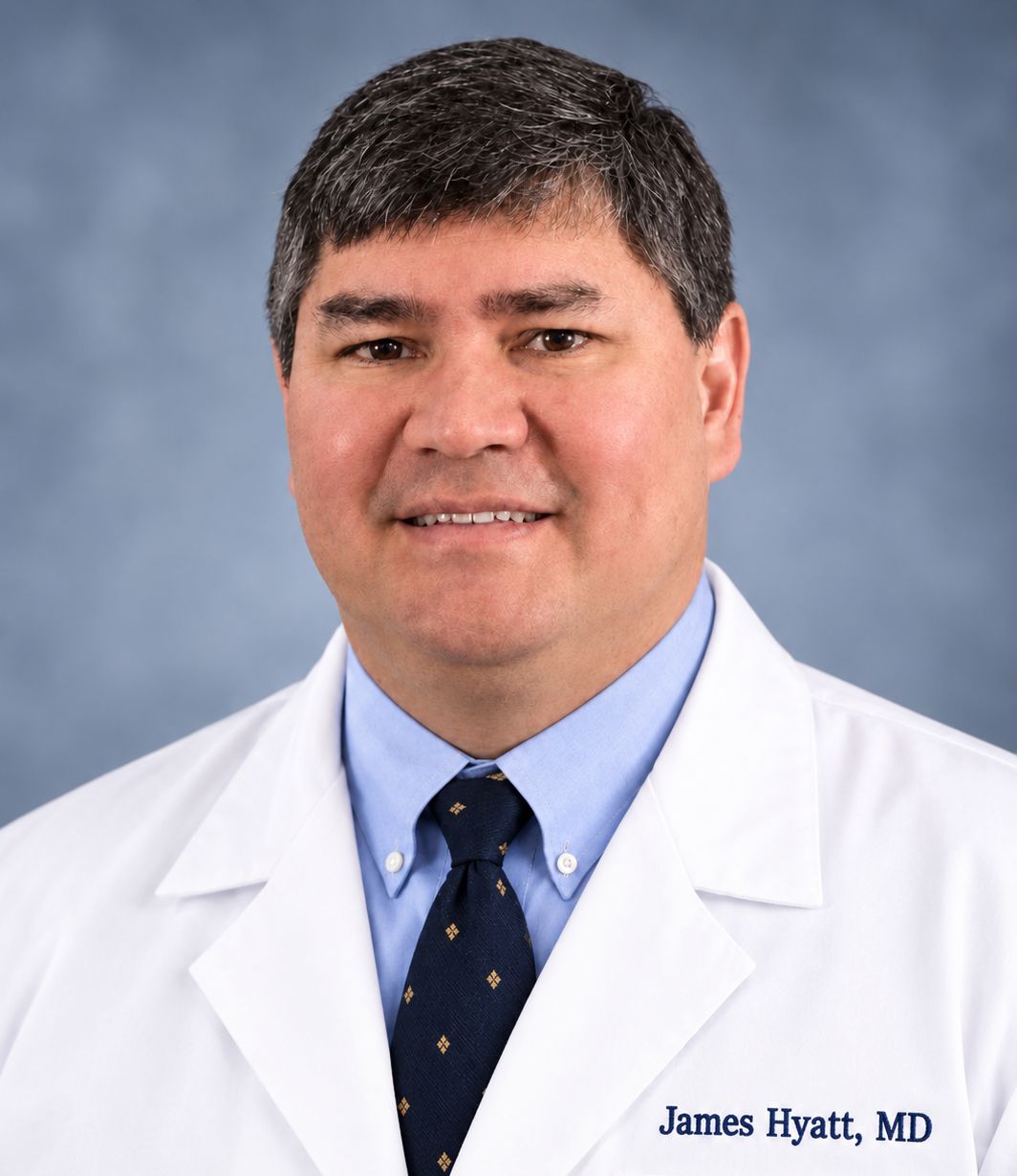
Dr. James H. is a board-certified Family Medicine physician with subspecialty board certifications in Addiction Medicine and Obesity Medicine and more than 30 years of healthcare experience. His clinical background includes emergency medicine, urgent care, primary care, addiction medicine, obesity medicine, and clinical leadership in outpatient and community-based settings. Before becoming a physician, Dr. James H. practiced as a Physician Assistant for nearly 18 years, working in emergency medicine, urgent care, and gastroenterology. This experience gives him a unique understanding of both physician and advanced practice provider roles. He currently serves in clinical and leadership roles in Addiction Medicine, including opioid treatment programs and integrated behavioral healthcare, as well as in Obesity Medicine. Areas of Expertise • Family Medicine • Addiction Medicine • Substance Use Disorder Treatment • Obesity Medicine • Weight Management & Metabolic Health • Emergency Medicine • Urgent Care • Primary Care • Preventive Medicine • Chronic Disease Management • Opioid Treatment Programs • Integrated Behavioral Healthcare • Clinical Leadership • Advanced Practice Provider Collaboration Philosophy of Collaboration Dr. James H. views physician–NP collaboration as a professional partnership built on mutual respect, accessibility, open communication, and patient safety. He believes Nurse Practitioners should be supported in practicing to the full extent of their education, training, and applicable state scope of practice while having access to a dependable physician resource when additional clinical expertise is needed. His nearly 18 years of experience as a Physician Assistant give him a firsthand understanding of the responsibilities, capabilities, and challenges faced by advanced practice clinicians. He brings this perspective to his collaborative relationships, providing practical guidance while respecting the NP's clinical judgment and autonomy. Dr. James H. is committed to being an approachable and responsive collaborating physician who supports challenging case discussions, evidence-based treatment, professional growth, and high-quality patient care. He believes strong physician–NP partnerships can expand access to healthcare while giving NPs the confidence and clinical support needed to build successful, patient-centered practices.
Licensed to collaborate with Michigan nurse practitioners
Experienced Nephrologist and Collaborative Healthcare Partner About Dr. Mark O. Dr. Mark O. is a highly skilled nephrologist with over 20 years of experience in diagnosing and treating complex medical conditions, including chronic kidney disease, diabetes, obesity, and hypertension. Based in Grand Rapids, Michigan, he is affiliated with multiple leading hospitals, including Corewell Health Grand Rapids Hospitals–Blodgett and Butterworth, as well as Trinity Health Grand Rapids Hospital. Areas of Expertise Chronic Kidney Disease & Nephrology Care Diabetes & Metabolic Health Obesity & Weight Management Hypertension & Cardiovascular Risk Reduction Collaboration with Nurse Practitioners With several years of experience supervising Nurse Practitioners, Dr. Mark O. values teamwork and mentorship in delivering high-quality patient care. He enjoys collaborating with NPs, providing guidance, and fostering a supportive environment where they can expand their expertise and confidence in managing complex cases. Dr. Mark O. is committed to advancing patient care through collaboration, evidence-based medicine, and a patient-centered approach. He looks forward to working with NPs who share his dedication to improving health outcomes and delivering exceptional care.
Licensed to collaborate with Michigan nurse practitioners
Board-Certified in Physical Medicine & Rehabilitation, Pain Medicine, and Disability Analysis | Medical Director About Dr. Stanley M. Dr. Stanley M. is a board-certified physician in Physical Medicine & Rehabilitation (PM&R) with over 15 years of experience in medical leadership, pain management, weight loss, long-term care, and rehabilitation services. With a career dedicated to improving outcomes across the post-acute care and multidisciplinary rehab spectrum, Dr. Stanley M. brings clinical depth and administrative insight to every collaboration. He currently serves as Regional Medical Director for inpatient rehabilitation at several facilities across Iowa, while also directing PM&R departments at UnityPoint Health – Finley Hospital and St. Luke’s Hospital. His private practice integrates advanced pain management, weight loss solutions, and long-term care strategies to provide personalized, evidence-based treatment. Areas of Expertise • Physical Medicine & Rehabilitation (PM&R) • Chronic Pain Management & Interventional Therapies • Medical Weight Loss & Metabolic Health • Post-Acute & Long-Term Care • Disability Evaluations & Functional Assessments • Spinal Cord Stimulators, Botulinum Toxin Therapy, and Advanced Modalities Collaboration with Nurse Practitioners Dr. Stanley M. has a collaborative, open-minded approach, particularly well-suited for NPs managing complex or challenging cases. His leadership experience across multiple hospitals and facilities makes him adept at supporting providers in both clinical and compliance-based roles, including telehealth, rehab, pain management, and weight loss clinics. He is deeply committed to interdisciplinary care, working hand-in-hand with NPs, therapists, and specialists to achieve the best possible patient outcomes. NPs can expect thoughtful oversight, practical guidance, and clinical flexibility in working with Dr. Stanley M. Leadership, Research & Education Dr. Stanley M. has presented at numerous national conferences and contributes as a clinical reviewer for Elsevier’s Journal of Neurology and Neurosurgery. His ongoing research includes studies in pain management, spinal cord stimulation, and pharmacologic therapy for neuropathic conditions. He is a Fellow of the American Academy of Physical Medicine and Rehabilitation, the American Board of Pain Medicine, and the American Board of Disability Analysts, and holds active licenses in IA, IL, NY, with IMLC certification for LA, MI, FL, and TX. Whether you are an NP specializing in pain, weight management, long-term care, or rehab, Dr. Stanley M. offers the depth of knowledge, availability, and professional support to help you grow and deliver exceptional care. Resident of Iowa
Licensed to collaborate with Michigan nurse practitioners
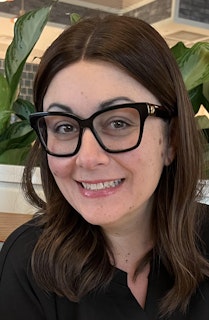
Dr. Shannon H. is a physician executive and board-certified Pediatrician with extensive experience across pediatric urgent care, pediatric emergency medicine, general pediatrics, and academic medicine. She brings a unique combination of clinical expertise and operational leadership, with a strong focus on scaling healthcare delivery. Her career reflects a commitment to integrating evidence-based medicine with efficient, technology-enabled care models that improve both patient outcomes and provider performance. Dr. Shannon H. earned her Doctor of Osteopathic Medicine from the New York College of Osteopathic Medicine, along with a Master of Biomedical Sciences from the University of Medicine and Dentistry of New Jersey and a Bachelors of Science from Indiana University. Her clinical background includes serving as a pediatric emergency medicine attending at Mount Sinai South Nassau, a medical director at PM Pediatrics, and as a general pediatric attending, where she developed a strong foundation in both acute and longitudinal pediatric care. In addition, she has experience in Pediatric Telehealth, expanding her ability to deliver timely, accessible care across a variety of clinical settings. She has also held academic appointments, contributing to the education of medical students and trainees with a focus on evidence-based practice and clinical excellence. Currently serving as physician executive in c-suite roles, Dr. Shannon H. leads operational strategy for a pediatric telehealth organization, overseeing clinical infrastructure, workforce development, and multi-state compliance. When she previously served as Medical Director at PM Pediatrics, she built and managed a national telemedicine network of over 350 providers, supporting large-scale expansion, accreditation, and quality initiatives. Her leadership experience includes implementing KPI-driven performance systems, optimizing provider productivity, and integrating digital platforms to streamline care delivery. She is licensed in over 40 U.S. states and is experienced in navigating complex regulatory environments, including HIPAA and multi-state telehealth compliance. Areas of Expertise: • Pediatric Medicine & Urgent Care • Emergency Medicine & Acute Care • Telemedicine & Digital Health Operations • Healthcare Operations & Clinical Leadership • Multi-State Regulatory Compliance & Licensure • KPI Development & Performance Management • Provider Workforce Scaling & Productivity Optimization • Clinical Quality Improvement & Accreditation (URAC, CLIA) • Evidence-Based Medicine & Clinical Education • Technology Integration in Healthcare Delivery Philosophy of Collaboration: Dr. Shannon H. believes that effective collaboration is essential to delivering scalable, high-quality healthcare in today’s evolving clinical landscape. She values a team-based approach that empowers Nurse Practitioners and multidisciplinary providers through clear communication, shared accountability, and access to the tools and systems needed for success. As a physician leader, she is deeply committed to mentorship, education, and professional development, fostering an environment where providers can grow clinically while maintaining autonomy. She emphasizes the importance of aligning clinical excellence with operational efficiency, ensuring that care delivery remains both patient-centered and sustainable. Dr. Shannon H.’s collaborative approach is grounded in building high-performing teams, leveraging data-driven insights, and creating systems that support consistency, quality, and innovation across all levels of care. FOR CA ADD $100, NO MULTIPLE NP DISCOUNT AND CANNOT BE ADDED AS AN ADD-ON STATE.
Licensed to collaborate with Michigan nurse practitioners
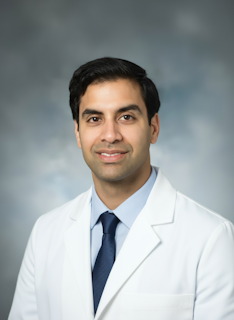
Board-Certified Family Medicine Physician | Multi-State Telemedicine & Urgent Care Leader Dr. Feras H is a dynamic, board-certified Family Medicine physician with extensive experience spanning urgent care, telemedicine, primary care, psychiatry, and weight management. Licensed in 32 states, he has successfully managed high-volume patient care both in-person and virtually, delivering acute, chronic, and preventive care to diverse populations. With a strong track record of supervising advanced practice providers, Dr. H fosters collaborative, team-based care models that prioritize communication, trust, and shared clinical decision-making. His experience includes mentoring nurse practitioners in both urgent care and primary care environments, ensuring they have the support and guidance needed to deliver safe, high-quality care. Dr. H is also skilled in addressing mental health concerns, integrating psychiatric evaluation and medication management into his family medicine practice. This includes supporting patients with depression, anxiety, ADHD, and other behavioral health conditions through a holistic and individualized approach. Areas of Expertise: • Urgent Care & Emergency Triage • Telemedicine & Multi-State Virtual Care • Primary Care & Chronic Disease Management • Mental Health Assessment & Treatment (Depression, Anxiety, ADHD) • Lifestyle Medicine & Weight Management • Clinical Leadership & NP Supervision • Preventive Medicine & Patient Education
Licensed to collaborate with Michigan nurse practitioners
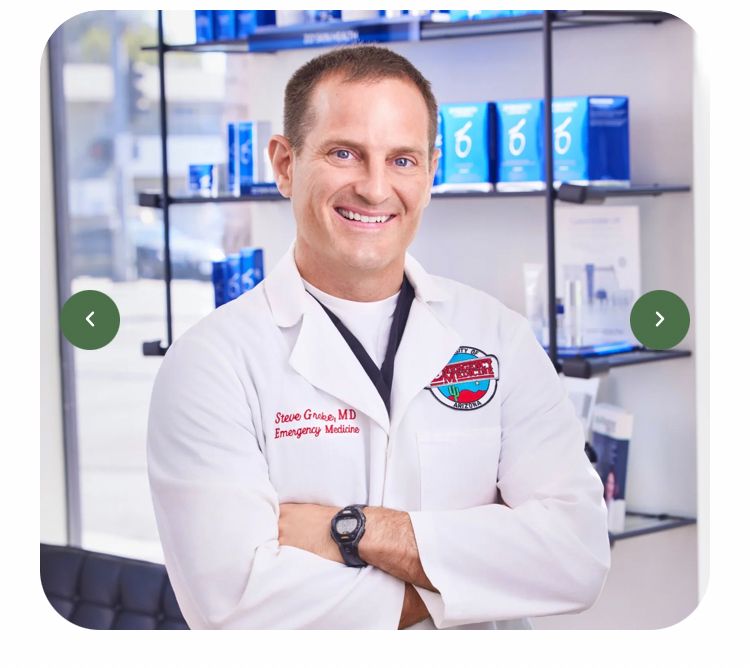
Dr. Steven G. affectionately known as “Dr. Steve” by his patients and staff, is an experienced Emergency Medicine-trained physician with a diverse clinical background spanning emergency care, primary care, mental health, telemedicine, and specialty health services. He earned his Bachelor of Science in Nursing from the University of Portland in 2003 and began his healthcare career as a nurse in the United States Air Force before pursuing medical education at the University of Utah and completing his Emergency Medicine residency in Tucson, Arizona. Since 2019, Dr. Steven G. has expanded his practice into telemedicine, providing primary care and mental health services across various telehealth platforms. He also has experience in weight management and serves as a supervising physician for both women's and men's health clinics. His background as both a registered nurse and physician gives him a well-rounded perspective on patient care and interdisciplinary teamwork. Dr. Steven G. is known for being a friendly, approachable, and dependable member of the healthcare team. He values accessibility and enjoys working through clinical challenges with colleagues while creating opportunities for teaching and professional development. His broad clinical experience allows him to provide practical support to clinicians across a variety of patient care settings. Areas of Expertise • Emergency Medicine • Primary Care • Telemedicine • Mental Health • Urgent & Acute Care • Weight Management • Women's Health • Men's Health • Clinical Supervision • Interdisciplinary Team Collaboration • Clinical Consultation & Problem Solving • Clinical Education & Mentorship Philosophy of Collaboration Dr. Steven G. believes effective collaboration is built on approachability, communication, teamwork, and mutual respect. He strives to be an accessible resource for NPs, making himself available when clinical questions or challenges arise. He enjoys working through problems collaboratively and using real-world clinical situations as opportunities for discussion and teaching. As someone with experience in both nursing and medicine, Dr. Steven G. appreciates the important role that NPs play in delivering patient care. He aims to provide supportive clinical guidance while recognizing the knowledge and expertise NPs bring to their practices. His goal is to build a positive and dependable collaborative relationship that supports professional growth, strong clinical decision-making, and quality patient care.
Licensed to collaborate with Michigan nurse practitioners
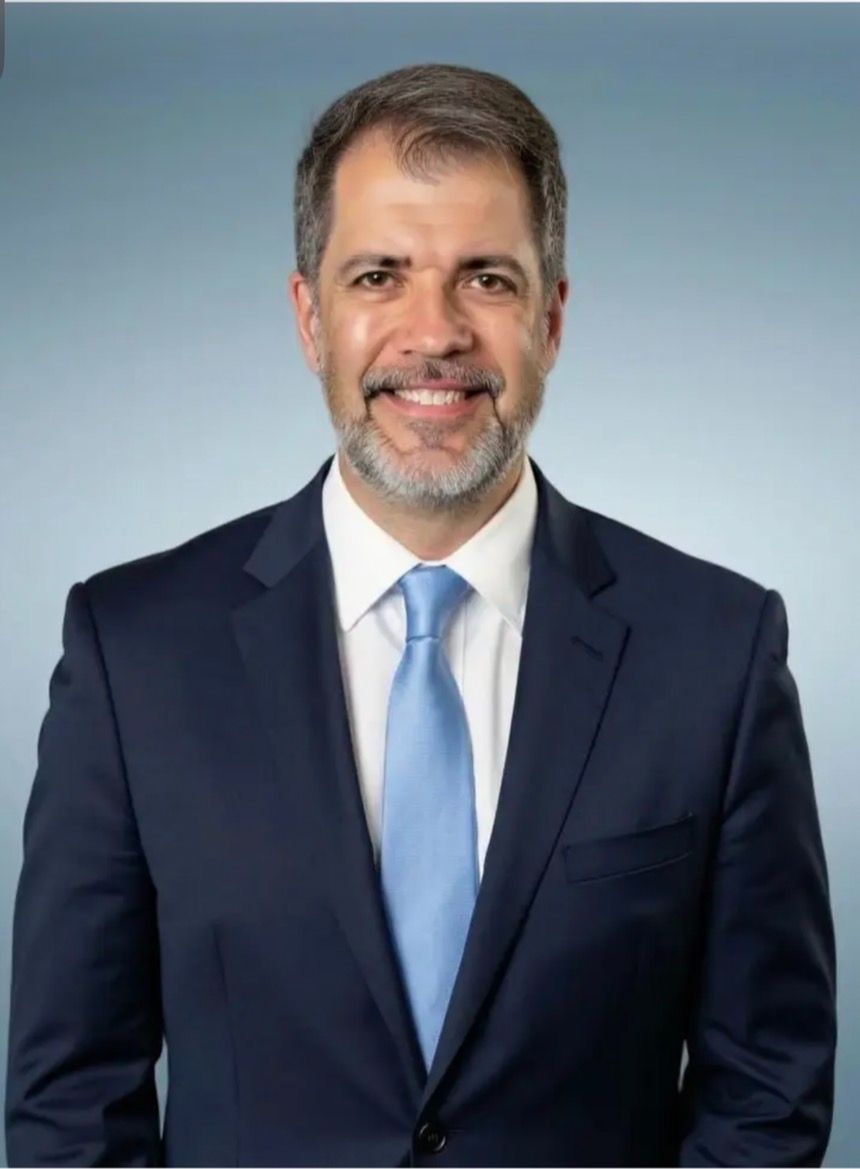
Family Medicine Physician | Telemedicine, Mental Health & Collaborative Care Dr. Christopher M. is a family medicine physician with more than 20 years of clinical experience across family practice, telemedicine, mental health, emergency medicine, urgent care, hospice, and collaborative care settings. Throughout his career, Dr. Christopher has cared for patients in traditional family medicine clinics, hospitals, emergency departments, urgent care centers, nursing home and rehabilitation facilities, hospice settings, and virtual care platforms. This broad clinical background gives him a practical, real-world understanding of how patients move through different levels of care and how important it is for providers to communicate clearly, document carefully, and work together effectively. Dr. Christopher has developed meaningful experience in mental health through his current work as a telemedicine physician, where he evaluates and treats patients with ADHD and general mental health concerns. In that role, he also provides support and leadership as a member of the clinical leadership team. His experience is especially relevant for providers whose practices include ADHD, anxiety, depression, general behavioral health concerns, or other mental health needs commonly managed in outpatient and telemedicine settings. In addition to his mental health work, Dr. Christopher has direct experience reviewing charts and collaborating with nurse practitioners in home visit, pain clinic, and urgent care settings. He enjoys supporting advanced practice providers and helping them deliver thoughtful, efficient, and clinically sound care. Areas of Expertise ADHD care General mental health Telemedicine psychiatry support Behavioral health care in outpatient and virtual settings Family medicine Primary care Collaborative care with nurse practitioners and physician assistants Chart review and clinical oversight Clinical leadership Emergency medicine Urgent care Hospice care Nursing home and rehabilitation care Pain clinic collaboration Primary care practice operations Dr. Christopher’s approach to collaboration is grounded, accessible, and practical. He understands that NPs and PAs need a collaborating physician who is responsive, experienced, and realistic about the demands of modern practice. His goal is to provide the right level of support without creating unnecessary friction for the provider’s workflow. Dr. Christopher is licensed in multiple states and brings a strong family medicine foundation, along with hands-on experience in ADHD care, general mental health, telemedicine, hospice, urgent care, emergency medicine, and collaborative practice. For providers who are building a new practice or looking for a collaborative physician who can support an established clinical model, Dr. Christopher may be an excellent fit. NOTE: HIS $300/MONTH FEE IS BASED ON NEW PRACTICE LAUNCHES. AS THE PRACTICE GROWS, HIS FEE WILL INCREASE TO $400 (TOTAL $499 TO $599/MONTH)
Licensed to collaborate with Michigan nurse practitioners
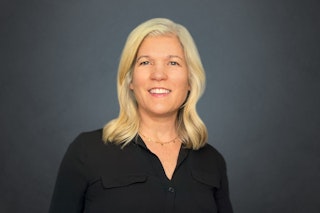
Dr. Jane S. is a board-certified Family Medicine physician with over 30 years of continuous outpatient clinical practice, primarily serving vulnerable and medically underserved populations. She is also board certified in Obesity Medicine and maintains multi-state licensure, allowing her to support care delivery across diverse geographic regions. Dr. Jane S. has held leadership roles including Medical Director, Chief Medical Officer, practice founder, and co-owner. She currently leads an advanced primary care model delivering virtual preventive services, chronic disease management, and acute care, with strong emphasis on quality metrics, behavioral health integration, and equitable access. She played a pivotal role in achieving NCQA Patient-Centered Medical Home recognition for a fully virtual practice and has extensive experience in workflow development, regulatory compliance, and interdisciplinary team leadership. Throughout her career, Dr. Jane S. has remained committed to evidence-based medicine guided by published clinical standards. Her professional mission centers on expanding healthcare access, improving care coordination, and delivering patient-centered services across both in-person and telehealth platforms. Areas of Expertise • Comprehensive Outpatient Family Medicine • Chronic Disease Management • Preventive Health and Evidence-Based Care • Obesity Medicine and Metabolic Health • Care for Vulnerable and Underserved Populations • Telehealth and Virtual Primary Care Delivery • Quality Improvement and Performance Metrics • NCQA Patient-Centered Medical Home Development • Behavioral Health Integration • Workflow Design and Clinical Operations • Medical Directorship and Regulatory Oversight • Interdisciplinary Team Leadership Philosophy of Collaboration: Dr. Jane S. values collaborative, respectful partnerships with Advanced Practice Clinicians and has worked alongside APCs throughout her career. She enjoys mentoring, teaching, and uplifting the work of nurse practitioners and physician assistants, helping them practice confidently and effectively within evidence-based frameworks. Her collaborative approach emphasizes clear communication, guideline-driven care, and coordinated team-based decision-making. She supports APCs practicing at the top of their license while maintaining shared accountability for patient safety, quality metrics, and continuity of care. Dr. Jane S. believes collaboration strengthens both access and outcomes—especially for vulnerable populations. By fostering supportive professional relationships and structured clinical oversight, she helps build sustainable care models that prioritize health equity, operational efficiency, and compassionate, patient-centered medicine. ADD $100 FOR CA AND MO. CA AND MO MAY NOT BE USED AS ADD-ON STATES AND NOT ELIGIBLE FOR MULTI-NP DISCOUNTS.
Licensed to collaborate with Michigan nurse practitioners
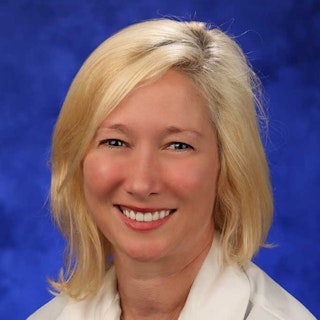
Dr. Amy M – Board-Certified Pulmonary, Critical Care, and Sleep Medicine Specialist Expert in Sleep Medicine, Pulmonary Disease, and Critical Care About Dr. Amy M Dr. Amy M is a double board-certified physician in Critical Care and Sleep Medicine, with more than 25 years of experience in complex respiratory and sleep disorders. She earned her medical degree and completed her residency and fellowships at the University of Missouri–Kansas City, where she also trained extensively in critical care and pulmonary physiology. Over the course of her career, Dr. Amy M has served as Medical Director for multiple accredited Sleep Disorders Centers across the U.S., including Ochsner Health System, Penn State Hershey, and PeaceHealth. She currently leads Own Sleep Medicine and continues to oversee operations and patient care at the Sleep Disorders Institute, where she has practiced for two decades. A recognized leader in the field, Dr. Amy M has held numerous committee and leadership positions with the American Academy of Sleep Medicine, American College of Chest Physicians, and the National Sleep Foundation. Her publications and research have advanced understanding in sleep-disordered breathing, perioperative airway management, and the nonprescription treatment of insomnia. Areas of Expertise • Sleep Medicine and Sleep-Disordered Breathing • Pulmonary and Critical Care Medicine • Insomnia, Restless Leg Syndrome, and Narcolepsy • CPAP Therapy and Perioperative Airway Management • Clinical Research and Policy Development • Supervision and Mentorship of Nurse Practitioners Collaboration Philosophy Dr. Amy M brings a collaborative, evidence-based approach to practice. Her years of experience leading interdisciplinary teams make her a supportive, highly responsive partner for nurse practitioners. She focuses on fostering autonomy and clinical confidence while ensuring that patient safety and outcomes remain paramount. Professional Highlights • Medical Director, Own Sleep Medicine (2019–Present) • Department Chair, Ochsner Health System (2020–2023) • Medical Director, PeaceHealth (2013–2020) • Fellow, American College of Chest Physicians • Chair, Clinical Practice Review Committee, American Academy of Sleep Medicine • Author of multiple peer-reviewed publications on sleep and pulmonary medicine ADD $100 FOR CA AND GA. CA AND GA MAY NOT BE USED AS AN ADD-ON STATE. NO MULTIPLE NP DISCOUNTS FOR CA AND GA.
Licensed to collaborate with Michigan nurse practitioners
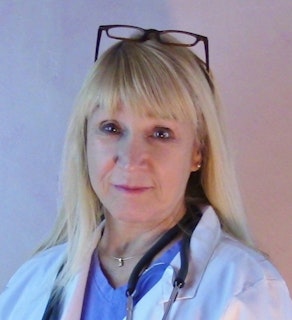
Dr. Carol U. is a board-certified Family Medicine physician with over 30 years of diverse clinical experience spanning family practice, urgent care, hospital medicine, and telemedicine. She holds a Virtual Care Level 1 Certification and has served for more than two decades in Chief Medical Officer roles, demonstrating exceptional leadership in clinical operations and provider collaboration. Dr. Carol U. brings a comprehensive understanding of primary care, with expertise in bio-identical hormone therapy, natural thyroid management, and weight loss medicine. She has successfully led and supervised nurse practitioners and physician assistants through the Interstate Medical Licensure Compact, maintaining a consistent focus on patient safety, evidence-based care, and operational excellence. Her clinical work includes serving as an Urgent Care Physician with ProHealth Care, providing hands-on care across multiple centers in Wisconsin, and as a Telemedicine Physician with Online Care Group and Hurtt Family Clinic, where she delivers remote medical consultations, develops treatment plans, and ensures high-quality virtual care. Dr. Carol U. is known for her clear communication, meticulous clinical judgment, and strong problem-solving ability, making her a trusted leader in both in-person and digital healthcare environments. Areas of Expertise: • Family Medicine & Primary Care • Telemedicine & Virtual Care • Urgent Care & Clinical Leadership • Bio-Identical Hormone Replacement Therapy • Natural Thyroid & Weight Management • Quality Improvement & Clinical Protocols • Provider Supervision & Mentorship Philosophy of Collaboration: Dr. Carol U. believes that effective healthcare thrives on communication, teamwork, and shared accountability. Having collaborated with advanced practice providers for over 20 years, she values mutual respect, transparency, and professional growth within her teams. Her collaborative style empowers NPs and PAs to practice confidently and independently within their scope, ensuring that every patient receives personalized, high-quality care. Dr. Carol U. views collaboration as a mutually enriching partnership—one that combines expertise, compassion, and innovation to enhance both patient outcomes and professional satisfaction. ADD $100 FOR CA. CA CAN'T BE USED AS AN ADD-ON STATE. NO MULTIPLE NP DISCOUNT FOR CA.
Licensed to collaborate with Michigan nurse practitioners
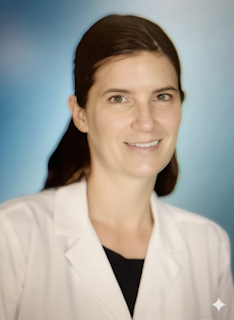
Emergency Medicine | Virtual Urgent Care Leader | NP-Centered Collaboration About Dr. Brandi G Dr. Brandi G is a board-certified emergency medicine physician with 15+ years of frontline and telehealth experience. She has led virtual urgent care programs and helped build NP-friendly workflows for rapid triage, evidence-based treatment, and smooth handoffs. As a collaborating physician, she’s accessible, practical, and team-first. Dr. G prioritizes clear protocols, quick turnaround on chart reviews, and right-sized oversight that protects NP autonomy while mitigating risk—especially in fast-moving urgent care and telemedicine environments. Areas of Expertise • Urgent Care & ED Triage (adult & adolescent) • Telemedicine & Virtual Urgent Care program design and oversight • Protocols for minor injuries, infections, and cardiac/arrhythmia evaluation • Stabilization & safe disposition (including behavioral health presentations) • Point-of-care diagnostics and risk stratification in resource-variable settings • Collaborative supervision of NPs in high-volume clinics and virtual hubs If you’re seeking a responsive collaborator who understands urgent care realities and telehealth operations, Dr. Brandi G offers a steady partner focused on efficiency, safety, and NP empowerment. ADD $100 FOR CALIFORNIA. NO MULTIPLE NP DISCOUNT FOR CA. CA CANNOT BE USED AS AN ADD-ON STATE REQUIRES REVIEW OF NP'S CV AND PROTOCOLS BEFORE DECIDING TO TAKE THE INTRO MEETING.
Licensed to collaborate with Michigan nurse practitioners
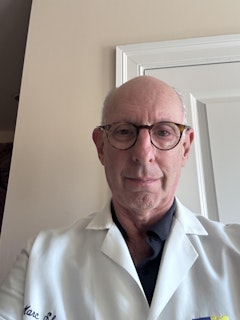
Experienced Internist | Telehealth & Long-Term Care Expert | Mental Health & Weight Management About Dr. Marc S. Dr. Marc S. is a seasoned internal medicine physician with over 35 years of clinical experience spanning private practice, regional health systems, and telemedicine. After 25 years serving patients in Washington D.C. and suburban Maryland, he spent a decade with a large regional healthcare company and has spent the past five years focusing on telehealth. Dr. S. has extensive experience managing chronic conditions such as diabetes, hypertension, and hyperlipidemia, as well as expertise in mental health, including the treatment of anxiety, depression, and bipolar disorder. He is also well-versed in medical weight loss therapies and geriatric care, with a long history of working in long-term care settings. Having collaborated with nurse practitioners throughout his career, Dr. S. brings a supportive and knowledge-sharing approach to supervision—valuing clinical autonomy while offering mentorship based on decades of hands-on experience. Areas of Expertise • Internal Medicine & Chronic Disease Management • Anxiety, Depression & Bipolar Disorder • Medical Weight Loss & Obesity Management • Hypertension, Diabetes & Lipid Disorders • Geriatric Medicine & Long-Term Care • Telehealth & Remote Patient Monitoring • NP Collaboration & Clinical Mentorship Dr. S. is committed to fostering collaborative relationships with nurse practitioners and supporting high-quality, patient-centered care across diverse practice settings.
Licensed to collaborate with Michigan nurse practitioners
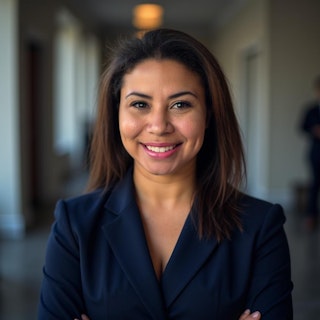
Board-Certified Pediatrician | Preventive Care Advocate | Pediatric & Family Wellness Dr. Una R. is a board-certified pediatrician with over 15 years of clinical experience across both primary care and urgent care settings. She has treated a wide range of pediatric patients and has also developed focused expertise in medical weight loss, hormone replacement therapy (HRT), and mental health care. Known for her patient-centered approach, Dr. R. emphasizes prevention, clear communication, and family engagement to achieve better outcomes. She is currently practicing in Georgia and has a strong track record of collaboration with nurse practitioners across multiple care models. Areas of Expertise • General Pediatrics & Preventive Care • Urgent Care for Pediatric Populations • Medical Weight Loss Counseling • Hormone Replacement Therapy (HRT) • Pediatric & Adolescent Mental Health • Patient & Family Education • Supportive, NP-empowering Clinical Collaboration Why NPs Choose to Work With Dr. R. Dr. R. brings a proactive and supportive style to every collaboration. With her diverse clinical experience and approachable demeanor, she helps nurse practitioners feel confident managing a wide spectrum of conditions. Whether you're delivering pediatric primary care or expanding into wellness and hormone therapies, Dr. R. offers reliable oversight and a shared commitment to patient-centered care. ADD $100 FOR GA AND CA. GA AND CA MAY NOT BE USED AS ADD-ON STATES. NO MULTIPLE NP DISCOUNT FOR GA AND CA. ADD $75 FOR TN. ADD $50 FOR TX.
Licensed to collaborate with Michigan nurse practitioners
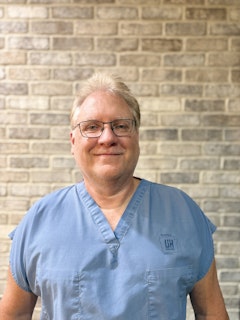
Board-Certified Emergency Physician | 25+ Years of Clinical Leadership | Supportive, Grounded, NP-Aligned About Dr. W. Scott M. is a board-certified emergency medicine physician with over 25 years of experience across high-acuity hospital systems, rural emergency departments, and academic training programs. Known for his calm, collaborative approach, Dr. M. has worked shoulder-to-shoulder with advanced practice providers in both fast-paced EDs and community hospital settings throughout Indiana. In addition to his clinical work, Dr. M. has served as a Volunteer Clinical Assistant Professor of Emergency Medicine at the Indiana University School of Medicine for over a decade, where he is respected for his mentorship and was awarded the Edward Micon Award for Teaching Excellence. Areas of Expertise • Emergency Medicine & Acute Care • Evidence-Based Pain & Trauma Management • Multi-Site Emergency Operations (Franciscan, Ascension) • Academic Mentorship & Teaching • Rural & Underserved Community Care Collaboration Style Dr. M. is approachable, highly responsive, and efficient. He understands the importance of balancing autonomy with oversight, and views collaboration as a true partnership. Whether you're practicing in a high-volume setting or running your own clinic, Dr. M. brings steady guidance, rapid support when needed, and zero micromanagement. Credentials & Highlights • Board Certified, American Board of Emergency Medicine (Recertified 2017) • 25+ years of continuous emergency medicine practice • Clinical teaching faculty, IU School of Medicine • Former Board Member, Emergency Physicians of Indianapolis • Medical mission experience in India, Kenya, El Salvador & Haiti
Licensed to collaborate with Michigan nurse practitioners
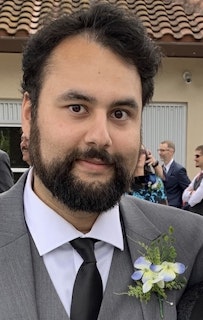
Dr. Fahad A. is a board-certified Family Medicine physician with over 11 years of clinical experience providing comprehensive care across a wide variety of healthcare settings, including primary care, urgent care, inpatient medicine, rehabilitation facilities, nursing homes, and telemedicine. He earned his medical degree from the Temple University School of Medicine in 2012 and completed his Family Medicine residency at Chestnut Hill Hospital. Throughout his career, Dr. Fahad A. has built a well-rounded clinical foundation caring for diverse patient populations in both acute and longitudinal care environments. Over the past three years, Dr. Fahad A. has focused primarily on telemedicine, providing accessible, patient-centered care in urgent care medicine, hormone replacement therapy (HRT), men’s health, weight management, and primary care services. His experience in virtual care has allowed him to develop efficient, practical, and highly adaptable care models that prioritize both clinical quality and patient convenience. Dr. Fahad A. values balanced, sustainable healthcare delivery and understands the importance of maintaining both professional excellence and personal well-being. His collaborative experience with nurse practitioners throughout his career has reinforced his belief that team-based care is essential to improving healthcare access and patient outcomes. Areas of Expertise • Telemedicine and virtual care delivery • Urgent care and acute outpatient management • Primary care and preventive medicine • Men’s health and hormone replacement therapy (HRT) • Weight loss and metabolic health management • Chronic disease management • Rehabilitation and post-acute care • Nursing facility and geriatric care • Outpatient family medicine • Clinical workflow efficiency and patient-centered care • Collaborative practice with nurse practitioners and multidisciplinary teams Philosophy of Collaboration Dr. Fahad A. believes the best healthcare outcomes are achieved through respectful, team-based collaboration built on communication, trust, and shared clinical responsibility. Having worked alongside nurse practitioners across multiple care settings throughout his career, he values the important role NPs play in expanding access to high-quality healthcare. His collaboration style is approachable, practical, and supportive. He prioritizes accessibility, timely communication, and clear clinical guidance while respecting NP autonomy and individual clinical judgment. Dr. Fahad A. aims to foster partnerships that feel collaborative rather than restrictive, creating an environment where providers feel supported and confident in delivering patient care. With experience across inpatient, outpatient, urgent care, rehabilitation, nursing home, and telemedicine settings, Dr. Fahad A. brings a flexible and well-rounded perspective to collaborative practice. His goal is to help NP-led practices operate efficiently, safely, and compliantly while maintaining a strong focus on patient-centered care and sustainable clinical workflows. FOR CA AND MO ADD $75 NO MULTIPLE NP DISCOUNT AND CANNOT BE ADDED AS AN ADD-ON STATE.
Licensed to collaborate with Michigan nurse practitioners
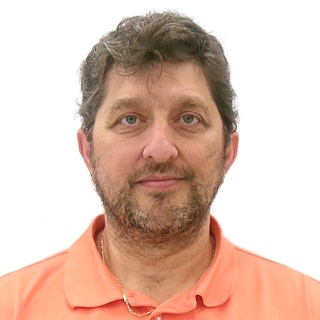
Dr. Jerry C. is a highly experienced, multi-state licensed physician with nearly three decades of clinical expertise in emergency medicine, telemedicine, and integrative care. He is licensed in all 50 states and Washington, DC, and brings extensive regulatory knowledge and operational leadership to every collaboration. After spending almost 25 years in high-volume emergency departments across the country, Dr. Jerry C. transitioned into telemedicine and wellness-focused medicine, where he now serves as a Medical Director for multiple national organizations. His career reflects a strong commitment to clinical excellence, compliance, and patient-centered innovation. Dr. Jerry C. currently provides telemedicine services across multiple platforms, focusing on men’s health, hormone optimization, medical cannabis, weight management, alternative therapies, and acute care. He has held leadership roles in both rural and urban settings, including Site Medical Director and long-term nocturnal attending positions at major hospital systems. In addition to his clinical practice, he has an extensive background in medical education, EMS leadership, and protocol development at regional and state levels. With licensure in all U.S. states and multiple DEA registrations, Dr. Jerry C. is well-versed in regulatory standards and interstate medical practice. He is known for his ability to onboard partners efficiently, support operational growth, and ensure ongoing compliance in evolving telehealth and wellness environments. Areas of Expertise • Emergency Medicine (25+ Years of High-Volume Clinical Practice) • Telemedicine and Multistate Medical Operations • Medical Direction and Clinical Governance • Hormone Replacement Therapy (HRT/TRT) • Peptide and Integrative Medicine • GLP-1 and Medical Weight Management • Men’s Health and Performance Optimization • Medical Cannabis Certification and Management • Acute Care and Urgent Telehealth Services • Long COVID and Vaccine Injury Management • Regulatory Compliance and Risk Management • EMS Medical Oversight and Protocol Development • Physician Education and Clinical Preceptorship Philosophy of Collaboration: Dr. Jerry C. believes that successful healthcare partnerships are built on transparency, regulatory integrity, and mutual accountability. He values proactive communication, clear operational structures, and adherence to federal and state regulations, including evolving telemedicine standards. His collaborative approach emphasizes protecting patient safety, supporting business scalability, and maintaining long-term compliance. As a seasoned medical director, he works closely with organizations to streamline onboarding, optimize clinical workflows, and foster sustainable growth. Dr. Jerry C. views collaboration as a strategic partnership—one grounded in trust, clinical excellence, and shared responsibility for delivering high-quality, ethical care. ADD $100 FOR CA AND GA. CA AND GA MAY NOT BE USED AS ADD-ON STATES AND ARE NOT ELIGIBLE FOR A MULTIPLE NP DISCOUNT.
Licensed to collaborate with Michigan nurse practitioners
Dr. Elie H. is a physician with more than 20 years of clinical experience providing comprehensive medical care across correctional medicine, primary care, telemedicine, hospice, long-term care, and healthcare leadership. Throughout his career, he has served in numerous leadership roles, including Chief Health Officer, Medical Director, and Site Medical Director, overseeing multidisciplinary healthcare teams while maintaining a strong commitment to patient-centered, evidence-based care. Dr. Elie H. completed fellowship training in Family and Correctional Medicine and has extensive experience managing medically complex patients in correctional healthcare systems. His clinical background includes chronic disease management, preventive care, wound care, hospice and palliative medicine, and coordinating multidisciplinary treatment plans across diverse patient populations. He has also contributed to healthcare education through HIV/AIDS training programs, staff development, and clinical policy implementation. In recent years, Dr. Elie H. has developed significant expertise in telemedicine, with more than 10 years of experience delivering accessible, high-quality virtual healthcare. His work has focused on improving access to care while maintaining strong clinical standards and effective communication across remote healthcare settings. Throughout his career, Dr. He Dr. Elie H. rcule has worked closely with Nurse Practitioners and Physician Assistants, providing clinical guidance, mentorship, and support while fostering collaborative, team-based care models that improve patient outcomes. Areas of Expertise • Family Medicine • Correctional Medicine • Telemedicine • Primary Care • Chronic Disease Management • Preventive Medicine • Long-Term Care Medicine • Hospice & Palliative Care • Wound Care Management • Healthcare Leadership & Medical Directorship • Clinical Operations & Quality Improvement • HIV/AIDS Education & Prevention • Disability Evaluation • Risk Management & Regulatory Compliance • Clinical Supervision & Provider Mentorship • Multidisciplinary Care Coordination Philosophy of Collaboration Dr. Elie H. believes that the highest quality healthcare is achieved through strong collaboration, mutual respect, and open communication among healthcare professionals. Throughout his career, he has developed successful working relationships with Nurse Practitioners and Physician Assistants, recognizing the important role they play in expanding access to high-quality patient care. His collaborative approach is supportive, approachable, and focused on teamwork. He enjoys providing clinical guidance, discussing challenging cases, and helping advanced practice providers strengthen their clinical decision-making while respecting their autonomy and professional judgment. He believes collaboration should create an environment where providers feel confident seeking consultation and sharing ideas to improve patient care. With more than a decade of telemedicine experience and extensive leadership in multidisciplinary healthcare settings, Dr. Elie H. understands the importance of accessibility, timely communication, and coordinated care. His goal is to build dependable, long-term partnerships with Nurse Practitioners by providing responsive support, practical clinical insight, and meaningful mentorship while promoting safe, evidence-based, and compassionate patient care.
Licensed to collaborate with Michigan nurse practitioners
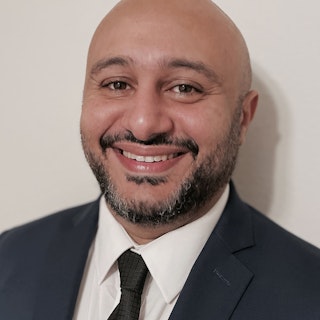
Dr. Mena I. is a triple board-certified physician in Family Medicine, Anesthesiology, and Critical Care Medicine, with active multi-state licensure and DEA registration. He brings a uniquely broad clinical foundation spanning outpatient primary care, high-acuity anesthesiology practice, and advanced cardiothoracic critical care. Dr. Mena I. earned his medical degree from Alexandria Faculty of Medicine and completed residency training in Family Medicine and Anesthesiology, followed by a fellowship in Anesthesiology Critical Care at Emory University. He also holds a Master of Education in the Health Professions from Johns Hopkins School of Education, along with formal certification in evidence-based teaching. His clinical career includes service as a cardiothoracic intensivist and Assistant Professor at the University of South Florida Morsani College of Medicine, where he managed complex postoperative cardiac patients, including those requiring LVAD, RVAD, Impella, intra-aortic balloon pump, and ECMO support. He has also held attending anesthesiology roles across multiple hospital systems and currently serves as a collaborating physician for advanced practice providers in multi-state settings. Dr. Mena I. combines procedural mastery, systems-level clinical oversight, and formal educator training—positioning him as a strong physician partner in collaborative practice environments. Areas of Expertise • Cardiothoracic Critical Care Medicine • Advanced Hemodynamic and Mechanical Circulatory Support (ECMO, LVAD, RVAD, IABP) • Anesthesiology and Perioperative Medicine • Airway Management and Resuscitative Leadership • High-Acuity Patient Stabilization • Family Medicine and Comprehensive Primary Care • Clinical Supervision of Advanced Practice Providers • Evidence-Based Medical Education • Protocol Development and Quality Improvement • Ultrasound-Guided Procedures and Vascular Access • Multi-State Practice and Regulatory Compliance Philosophy of Collaboration: Dr. Mena I. values structured, supportive collaboration with nurse practitioners and physician assistants. With formal training in medical education and years of teaching residents, fellows, and advanced practice clinicians, he approaches collaboration as both a clinical partnership and a mentorship opportunity. He emphasizes clear communication, defined scope alignment, and thoughtful case review—particularly in complex or high-risk clinical scenarios. His background in critical care reinforces the importance of safety, documentation clarity, and protocol-driven care. At the same time, his experience in outpatient family medicine allows him to appreciate continuity, accessibility, and patient-centered decision-making. Dr. Mena I. believes effective collaboration strengthens clinical confidence, improves patient outcomes, and builds resilient care teams. He strives to be an approachable, reliable physician partner who supports high standards of care while empowering advanced practice providers to practice at the top of their license. ADD $50 FOR MISSOURI. MISSOURI IS NOT ELIGIBLE FOR MULTI-NP DISCOUNT AND MAY NOT BE USED AS AN ADD-ON STATE
Licensed to collaborate with Michigan nurse practitioners
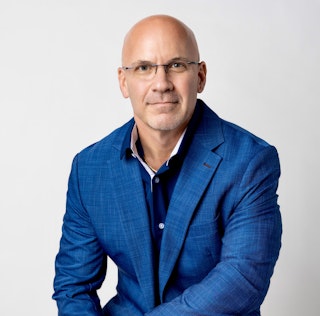
Dr. Jonathan H. is a board-certified Maternal-Fetal Medicine specialist with over 30 years of clinical and leadership experience in women’s health, aesthetics, and regenerative medicine. He currently serves as the Medical Director of RNR Aesthetics & Potomac Performance in Bethesda, Maryland, where he leads a multidisciplinary team delivering advanced wellness and regenerative therapies including hormone optimization, peptide therapy, weight management, IV therapy, and aesthetic procedures. Dr. Jonathan H. also serves as the Medical Director at Richmond Maternal-Fetal Medicine, overseeing strategic operations, patient safety, and performance initiatives. Prior to his current roles, Dr. Jonathan H. served as Assistant Medical Director at Maryland Perinatal Associates, where he co-led eight physicians across multiple sites, supported high-volume patient operations, and advanced quality and compliance standards in maternal-fetal medicine. His leadership and clinical expertise reflect a deep commitment to improving both patient outcomes and organizational efficiency. Areas of Expertise: • Maternal-Fetal Medicine and Obstetrics • Regenerative and Integrative Health Therapies • Bio-Identical Hormone Replacement Therapy (BHRT) • Peptide Therapy and Weight Management • Aesthetic and Anti-Aging Medicine • Medical Operations and Clinical Leadership • Quality Improvement and Regulatory Compliance Philosophy of Collaboration: Dr. Jonathan H. believes in the power of physician-led collaboration to elevate patient care and professional growth. His approach centers on mutual respect, open communication, and evidence-based practice, fostering a supportive environment where both physicians and advanced practice providers can thrive. He values partnerships that align innovation with patient-centered wellness, ensuring care that is both comprehensive and compassionate. ADD $50 FOR CA. NO MULTIPLE NP DISCOUNT FOR CA and CANNOT BE ADDED AS AN ADD-ON STATE. ADD $50 FOR SCHEDULE III
Licensed to collaborate with Michigan nurse practitioners
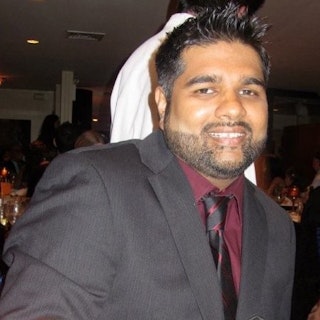
Board-Certified in Emergency Medicine | Experienced Medical Director | NP Mentor in Acute, Telemedicine & ICU Settings Dr. Nauman R. is a board-certified emergency medicine physician with over a decade of experience across emergency departments, hospitalist medicine, ICU, and telemedicine. He completed his Emergency Medicine residency at Lincoln Medical and Mental Health Center (Weill Cornell) in New York, where he served as Chief Academic Resident. He also completed Internal Medicine training at Good Samaritan Hospital in Cincinnati. Dr. R. has held leadership roles including ED Medical Director and Director of Research at a major residency program. His background spans diverse environments—from high-volume trauma centers to virtual care and ICU medicine—where he has consistently worked alongside nurse practitioners, offering support, supervision, and mentorship. Known for his team-based approach, Dr. R. values collaboration, clear communication, and clinical excellence. He is actively involved in medical education and professional societies including ACEP and SAEM. Areas of Expertise • Emergency & Acute Care Medicine • Hospitalist & ICU Management • Telemedicine & Virtual Primary Care • Clinical Supervision & NP Collaboration • Research, Teaching & Academic Leadership • Mental Health & Crisis Intervention • Advanced Trauma Life Support (ATLS) Instruction Dr. Nauman R. brings seasoned clinical judgment and a commitment to collaborative care that supports nurse practitioners in delivering high-quality, evidence-based treatment.
Licensed to collaborate with Michigan nurse practitioners
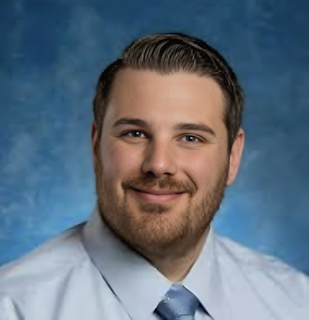
Board-Certified Internal Medicine Physician & Cardiologist | Experienced NP Collaborator About Dr. William G. Dr. William G. is a board-certified internal medicine physician and cardiologist with extensive experience in telemedicine, medical weight loss, hormone therapy, lifestyle medicine, urgent care, and medical aesthetics. Based in Colorado, he is deeply committed to supporting Nurse Practitioners as a collaborative physician, helping them expand their clinical expertise while delivering high-quality, patient-centered care. With a blended approach of cutting-edge medical advancements and personalized treatment, Dr. William G. prioritizes patient education, preventative care, and innovative treatment solutions. His passion for healthcare extends beyond individual patient interactions—he actively advocates for community health initiatives and wellness education to improve healthcare access and outcomes. Areas of Expertise • Cardiology & Internal Medicine • Medical Weight Loss & Lifestyle Medicine • TRT & Hormone Therapy • Urgent Care & Telemedicine • Medical Aesthetics & Preventative Wellness Collaboration with Nurse Practitioners Dr. William G. is dedicated to mentoring and collaborating with NPs, ensuring they have the clinical support, autonomy, and expertise needed to excel in their practice. His hands-on, supportive approach empowers NPs to grow professionally while optimizing patient care and satisfaction. Whether you are looking to expand your expertise in cardiology, weight loss, hormone therapy, or telemedicine, Dr. William G. is a trusted and knowledgeable partner who can help take your practice to the next level. Passion for Patient Care & Community Health Beyond the clinic, Dr. William G. is an advocate for wellness and preventative healthcare, participating in community outreach programs aimed at educating and empowering patients. A true Colorado native, he enjoys hiking, biking, traveling, and spending time with family, bringing his passion for an active, healthy lifestyle into his medical practice. If you're seeking a collaborative, experienced, and patient-focused physician to help enhance your practice, request Dr. William G. today—let’s make a meaningful impact on patient care together! ADD $50 FOR CA. CA CANNOT BE USED AS AN ADD-ON STATE. NO MULTIPLE NP DISCOUNT FOR CA.
Licensed to collaborate with Michigan nurse practitioners
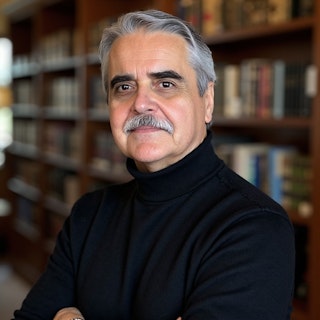
I’m a board-certified psychiatrist with more than 30 years of experience, with a clinical focus on treating adolescents and adults who present with complex psychiatric and neuropsychiatric conditions. My work centers on helping individuals with mood disorders, trauma-related symptoms, cognitive and behavioral challenges, especially when neurological or developmental factors complicate these. I prioritize evidence-based care that’s also deeply personal, culturally aware, and grounded in empathy. I regularly manage challenging cases that require careful diagnostic work and close collaboration across various disciplines. I utilize tools such as quantitative electroencephalography (qEEG), neuroimaging, and structured assessments to gain a better understanding of brain-behavior relationships and to guide treatment decisions. My practice encompasses medication management, psychotherapy, family support, and consultation in both clinical and forensic settings. I am known for providing thoughtful, individualized care that balances evidence-based treatment with deep empathy and cultural sensitivity. Frequently, I address complex cases that necessitate coordination among multiple specialties, including those related to traumatic brain injury, treatment-resistant depression, and functional impairments. I integrate tools like qEEG, neuroimaging, and structured psychiatric assessments to inform my clinical decision-making. Additionally, I offer ongoing psychotherapy, medication management, family guidance, and consultation in both clinical and legal contexts.
Licensed to collaborate with Michigan nurse practitioners
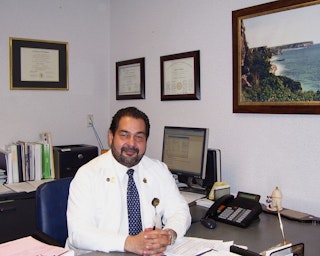
Board-Certified Physician | Functional Medicine & Nutrition Expert | Experienced NP Mentor About Dr. Angel CM Dr. Angel CM is a highly accomplished healthcare professional specializing in functional medicine, nutrition, and personalized patient care. With a strong background in general internal medicine and primary care, Dr. Angel integrates advanced techniques such as IV infusion therapy (Reviv X) and genetic testing (10X) to create tailored healthcare solutions. A dedicated educator and mentor, Dr. Angel has spent years teaching and guiding nurses and nurse practitioners, serving as both a proctor and preceptor to support the next generation of healthcare providers. His interdisciplinary approach, enriched by experience at the VA, emphasizes collaboration and holistic care strategies. Areas of Expertise • General Internal Medicine & Primary Care • Functional Medicine & Personalized Healthcare • Functional Nutrition, Supplementation & Alternative Medicine • IV Infusion Therapy & Genetic Testing Commitment to Nurse Practitioners Dr. Angel CM is passionate about mentoring and empowering NPs, ensuring they have the knowledge, confidence, and support needed to excel in patient care. His hands-on approach fosters professional growth and enhances the capabilities of nurse practitioners in both traditional and functional medicine settings. Availability for Collaboration Dr. Angel is available for consultations both online and in person and is eager to contribute expertise in developing programs, guiding clinical decisions, and supporting NPs in delivering high-quality, patient-centered care. Languages • English • Spanish With a deep commitment to functional, integrative, and evidence-based medicine, Dr. Angel CM is excited to collaborate with NPs, helping them expand their skill set and improve patient outcomes.
Licensed to collaborate with Michigan nurse practitioners
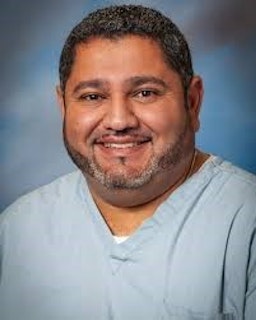
Dr. Fares A is a board certified OB/GYN with over a decade of clinical experience, having practiced since 2014. In addition to his work in women's health, he serves as a medical director for a men's health and TRT clinic, giving him a broad perspective on hormonal management, preventive care, and patient-centered treatment models. Dr. Alqara is experienced in multi-state physician-NP collaboration agreements and understands the nuances of regulatory compliance in different states. His approach combines deep medical expertise with business and operational insight, gained through ownership and leadership of multiple medical practices. He is committed to clear communication, timely support, and ensuring nurse practitioners have the resources they need to deliver high-quality, complaint care. With a proven track record mentoring and working alongside advanced practice providers, Dr. A offers a responsive, reliable, and supportive collaboration experience.
Licensed to collaborate with Michigan nurse practitioners
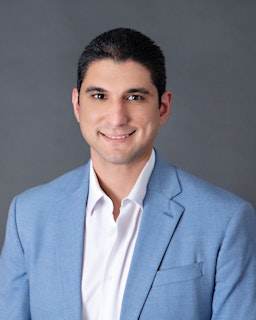
Dual Board-Certified in Internal Medicine & Obesity Medicine | Experienced Medical Director | Telehealth & Mental Health Expertise About Dr. Emill L. Dr. Emill L. is a dual board-certified physician in Internal Medicine and Obesity Medicine with over 15 years of experience across hospital medicine, telehealth, and outpatient care. Originally from Santo Domingo, Dominican Republic, Dr. L. graduated summa cum laude from Iberoamerican University and completed his residency at Lincoln Medical Center in New York, affiliated with Weill Cornell Medical College. Dr. L. has held numerous leadership roles including Chief of Medicine and Director of Hospital Medicine at AdventHealth Heartland Division, where he also served as faculty for both Internal Medicine and Family Medicine residency programs. His clinical work includes experience in adult mental health, particularly managing anxiety, depression, and complex chronic disease with behavioral health components. He is certified as a Healthcare Executive Leadership Fellow and formerly board-certified in Health Care Quality and Management with a subspecialty in Physician Advising. Currently licensed in all 50 states, Washington D.C., and Puerto Rico, Dr. L. offers highly accessible telehealth collaboration. Fluent in both English and Spanish, he brings a multicultural, patient-centered approach to care and collaboration. Areas of Expertise • Internal Medicine & Chronic Disease Management • Obesity Medicine & Lifestyle Interventions • Adult Mental Health (Depression, Anxiety, Insomnia) • Hospitalist & Acute Care Experience • Telemedicine & Multi-State Clinical Oversight • NP Supervision & Interdisciplinary Collaboration • Bilingual Care (English & Spanish) • Training & Mentorship for Clinical Teams Dr. L. is known for his collaborative style, clinical thoroughness, and dedication to expanding access to high-quality care—making him a trusted partner for nurse practitioners in diverse practice settings. ADD $100 FOR CALIFORNIA. CA CAN NOT BE AN ADD-ON STATE. IF PRESCRIBING ANY CONTROLLED SUBSTANCED, ADD $99 TO THE MONTHLY FEE (NOT JUST SCHEDULE II)
Licensed to collaborate with Michigan nurse practitioners
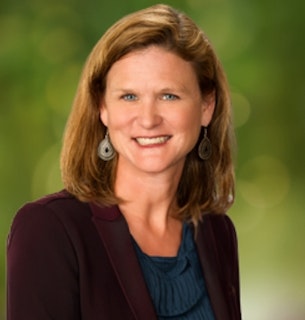
• 25+ years as a board-certified family medicine physician • Functional, integrative, and root-cause–focused approach to care • Strong interest and experience in Pediatric and Adult Psychiatry Dr. Wendy B is a highly experienced family medicine physician with more than 25 years of clinical practice, known for her thoughtful, personalized, and root-based approach to patient care. Her work blends traditional primary care with functional and integrative medicine principles, allowing her to address complex, chronic conditions by focusing on underlying drivers rather than symptoms alone. Throughout her career, Dr. Wendy B has practiced across a wide range of settings, including primary care, urgent care, mental health, and integrative medicine. Her functional medicine expertise includes hormone optimization, gastrointestinal health, and cardio-metabolic disorders, with an emphasis on lifestyle, nutrition, and individualized treatment plans. She has a particular passion for mental health and approaches psychiatric care through a holistic lens that integrates physiology, lifestyle, and emotional well-being. She recently completed a pediatric and adult psychiatry fellowship (2025), further strengthening her ability to support patients and advanced practice clinicians working in mental health–adjacent and integrative practices. Dr. Wendy B intentionally works part-time so she can invest deeply in collaborative relationships. She genuinely enjoys teaching, mentoring, and learning alongside NPs and PAs, and is known for being accessible, supportive, and generous with her clinical insight. Her collaboration style emphasizes respect for APC autonomy while providing thoughtful guidance and education when needed. Areas of Expertise • Family Medicine & Full-Spectrum Primary Care • Functional & Integrative Medicine • Mental Health Care (Holistic & Integrative Approach) • Hormone Optimization & Bioidentical Hormone Therapy • Gastrointestinal & Cardio-Metabolic Disorders • Weight Management & Lifestyle Medicine • IV Nutrition Therapy • Urgent Care & Acute Care Across the Lifespan • APC Supervision, Teaching, & Clinical Mentorship NOTE: THE RATE OF $549 A MONTH IS FOR NP'S WITH STARTUP PRACTICES OR VERY PART TIME. FOR AN ESTABLISHED PRACTICE, DR BURTON WILL GIVE YOU HER RATE.
Licensed to collaborate with Michigan nurse practitioners
Dr. Tuvia B. is a board-certified psychiatrist with subspecialty board certification in Child and Adolescent Psychiatry. With more than 15 years of clinical experience, he provides comprehensive psychiatric care to children, adolescents, and adults across a variety of practice settings, including private practice, telepsychiatry, outpatient behavioral health, correctional psychiatry, and community mental health. Following the completion of his psychiatry residency and Child & Adolescent Psychiatry fellowship at Hofstra Northwell School of Medicine, Dr. Tuvia B. has built an extensive career caring for patients with a wide range of psychiatric conditions. He currently practices through his private practice and multiple national telepsychiatry organizations, providing accessible, high-quality psychiatric care to patients across numerous states. His broad multi-state licensure and extensive telemedicine experience allow him to effectively support patients and healthcare providers in diverse clinical environments. Throughout his career, Dr. Tuvia B. has worked in community mental health centers, correctional healthcare, hospital-based services, and outpatient psychiatry, giving him experience managing both routine and complex psychiatric presentations across the lifespan. His clinical approach emphasizes accurate diagnosis, evidence-based psychopharmacology, individualized treatment planning, and compassionate, patient-centered care. Areas of Expertise • General Adult Psychiatry • Child & Adolescent Psychiatry • Telepsychiatry • Outpatient Psychiatry • Community Mental Health • Correctional Psychiatry • Psychopharmacology & Medication Management • Mood Disorders • Anxiety Disorders • Attention-Deficit/Hyperactivity Disorder (ADHD) • Autism Spectrum Disorder • Behavioral Disorders in Children & Adolescents • Trauma-Related Disorders • Psychotic Disorders • Psychiatric Evaluation & Diagnostic Assessment • Collaborative Psychiatric Care Philosophy of Collaboration Dr. Tuvia B. believes that successful physician–NP collaboration is built on trust, open communication, and a shared commitment to providing high-quality psychiatric care. He values Nurse Practitioners as important members of the mental healthcare team and believes collaborative relationships should support both excellent patient outcomes and continued professional development. His collaborative approach emphasizes accessibility, timely communication, and thoughtful clinical consultation. He encourages open discussion of complex cases, evidence-based treatment planning, and shared clinical decision-making while respecting each provider's experience, autonomy, and clinical judgment. With extensive experience practicing across multiple healthcare settings and delivering telepsychiatry services nationwide, Dr. Tuvia B. understands the importance of being responsive and dependable in collaborative practice. His goal is to build long-term partnerships where Nurse Practitioners feel supported, confident, and equipped to provide compassionate, evidence-based psychiatric care while maintaining the highest standards of clinical excellence. CA- Add $100
Licensed to collaborate with Michigan nurse practitioners

Dr. Huma M. is a board-certified Internal Medicine physician with additional board certifications in Obesity Medicine and Lifestyle Medicine, bringing over 15 years of clinical experience in outpatient primary care and more than five years in telemedicine. She specializes in delivering comprehensive, evidence-based care across both in-person and virtual settings, with a strong focus on chronic disease management, preventive care, and sustainable health optimization. Throughout her career, Dr. Huma M. has managed a wide range of acute and chronic medical conditions, including diabetes, hypertension, dyslipidemia, thyroid disorders, and obesity. She has particular expertise in obesity medicine, including the use of GLP-1 therapies, and integrates lifestyle-based interventions to support long-term patient outcomes. Her clinical approach emphasizes precision in diagnosis, individualized treatment planning, and proactive health maintenance. Dr. Huma M. has extensive experience in telehealth, currently providing full-spectrum primary care services through virtual platforms, where she manages both acute and chronic conditions while delivering preventive counseling and coordinated care. Her background also includes value-based care models, risk adjustment evaluations, and care gap identification, supporting improved population health outcomes and healthcare efficiency. In addition to her clinical expertise, Dr. Huma M. is multilingual—fluent in English, Urdu, and Hindi—allowing her to effectively communicate with diverse patient populations. She is highly proficient in multiple electronic health record systems and is licensed across more than 30 U.S. states, enabling her to provide scalable, accessible care across a broad geographic footprint. Areas of Expertise • Internal Medicine & Primary Care • Obesity Medicine & GLP-1 Weight Management • Lifestyle Medicine & Preventive Health • Chronic Disease Management (Diabetes, Hypertension, Dyslipidemia, Thyroid Disorders) • Telemedicine & Virtual Care Delivery • Urgent Care & Acute Condition Management • Population Health & Risk Adjustment • Multilingual Patient Communication • EHR Systems & Digital Health Integration Philosophy of Collaboration: Dr. Huma M. believes that high-quality healthcare is built on collaboration, clear communication, and shared accountability. She values working closely with nurse practitioners and multidisciplinary teams to ensure that patient care is comprehensive, coordinated, and evidence-based. Her collaborative approach emphasizes accessibility, practical clinical guidance, and respect for provider autonomy. She supports clinicians in managing both routine and complex cases while maintaining compliance and high standards of care. By fostering a supportive and team-oriented environment, Dr. Huma M. helps ensure strong clinical outcomes and a seamless patient experience across care settings.
Licensed to collaborate with Michigan nurse practitioners
Dr. Avni P. is a board-certified Family Medicine physician with extensive multidisciplinary experience spanning emergency and urgent care, psychiatry, utilization review, telemedicine, and occupational health. With a broad clinical scope and a career that includes both frontline patient care and systems-level medical decision-making, Dr. Avni P. brings a highly versatile and adaptive approach to modern healthcare delivery. She completed her Family Medicine residency at Augusta University Medical Center and has additional clinical training in psychiatry and radiology. Over the years, she has served in diverse roles including Medical Director positions within veteran healthcare systems, physician roles in state psychiatric hospitals, and medical officer assignments with both the U.S. Navy and U.S. Coast Guard. Her experience also includes extensive telemedicine practice and utilization review work across multiple organizations, where she has applied evidence-based criteria such as Milliman and ACOEM guidelines to determine appropriate levels of care and medical necessity. Dr. Avni P. holds active medical licenses across numerous U.S. states, reflecting her significant involvement in nationwide telehealth and utilization review services. Areas of Expertise • Emergency & Urgent Care Medicine • Family Medicine (Board Certified) • Psychiatry & Behavioral Health Integration • Utilization Review & Medical Necessity Determination • Workman’s Compensation & Occupational Health • Telemedicine & Virtual Care Delivery • Skilled Nursing Facility (SNF) Patient Management • Evidence-Based Care Guidelines (Milliman, ACOEM) • Peer-to-Peer Physician Consultation • Veterans Health & Military Medicine • Clinical Decision Support & Level of Care Determination • Multistate Telehealth Practice & Compliance Philosophy of Collaboration: Dr. Avni P. brings a pragmatic and highly communicative approach to collaboration, shaped by years of working across emergency settings, telemedicine platforms, utilization review organizations, and multidisciplinary care teams. She has extensive experience conducting peer-to-peer consultations, working closely with physicians, nurse practitioners, and other healthcare professionals to arrive at clinically sound and mutually aligned care decisions. Her collaboration style emphasizes clarity, efficiency, and evidence-based reasoning—particularly when determining medical necessity, level of care, or treatment pathways. She values open dialogue and believes that effective collaboration is rooted in shared clinical understanding, respect for each provider’s role, and a commitment to patient-centered outcomes. Having worked extensively with advanced practice providers in both direct care and review-based roles, Dr. Avni P. supports a team-based care model where nurse practitioners and physician assistants are empowered to deliver high-quality care, with physician collaboration serving as a resource for complex decision-making, regulatory guidance, and quality assurance. Her goal in collaborative settings is to streamline care delivery, reduce unnecessary variation, and ensure that patients receive appropriate, timely, and evidence-based treatment across all care environments.
Licensed to collaborate with Michigan nurse practitioners
Hello, I’m a board-certified family physician (DO) with additional degrees in law (JD) and business (MBA). My residency training was completed at Ventura County Medical Center, consistently ranked among the top five family medicine programs in the country. With a multidisciplinary background, I bring a unique perspective to healthcare delivery, emphasizing practical, evidence-based medicine and clear, efficient communication. I’m passionate about collaborating with nurse practitioners, supporting their clinical autonomy, and expanding healthcare accessibility through innovative models such as telehealth.
Licensed to collaborate with Michigan nurse practitioners
Board-Certified Psychiatrist | Medical Director | Adolescent & Adult Mental Health Expert | Experienced NP Collaborator About Dr. Lisa D. Dr. Lisa D. is a board-certified psychiatrist with over 30 years of experience delivering compassionate, comprehensive mental health care to children, adolescents, and adults. A graduate of Columbia University College of Physicians and Surgeons and a magna cum laude alumnus of Yale University, she completed her psychiatric residency at New York University. Dr. Lisa D. has held multiple leadership roles, including serving as Chief of Psychiatry at both New Milford Hospital and Charlotte Hungerford Hospital, where she oversaw inpatient, outpatient, and dual diagnosis programs, and was instrumental in expanding access to care by integrating Advanced Practice Nurse Practitioners into the hospital system for the first time. She currently serves as Medical Director for Wellbrook Health, LinqCare, and Catholic Charities, while also providing telepsychiatry services. Her clinical approach emphasizes individualized care, with a deep understanding of each patient’s personal story and goals. Areas of Expertise • Adolescent & Adult Psychiatry • Women’s Mental Health & Postpartum Disorders • Anxiety, Depression, OCD & Mood Disorders • Eating Disorders & Trauma-Informed Care • Cognitive Behavioral Therapy (CBT) • Telepsychiatry & Remote Medical Direction Collaboration with Nurse Practitioners Dr. Lisa D. has a long history of mentoring and collaborating with psychiatric nurse practitioners, dating back to her time as Chief of Psychiatry at New Milford Hospital where she first integrated NPs into psychiatric care delivery. She offers supportive, clinically grounded supervision and values NPs as essential members of the mental health care team. She is especially well-suited for NPs in telepsychiatry or outpatient behavioral health settings, offering guidance on diagnosis, treatment planning, medication management, and compliance. If you’re an NP seeking a deeply experienced, collaborative psychiatrist who is equally committed to clinical excellence and provider growth, Dr. Lisa D. is an ideal partner.
Licensed to collaborate with Michigan nurse practitioners
Board-Certified Internist | Geriatrics & Post-Acute Care Specialist | Experienced NP Collaborator About Dr. Simone V. Dr. Simone V. is a board-certified internist with over 20 years of experience spanning hospital medicine, geriatrics, post-acute rehabilitation, and memory care. She trained at the University of Pennsylvania Health System, where she developed a passion for teaching and patient education, earning the prestigious Dinon Teaching Award for her dedication to advancing healthcare knowledge. Her diverse 360-degree perspective in medicine allows her to bridge hospital-based care with outpatient wellness, ensuring continuity and comprehensive patient management. Dr. Simone V. has owned and operated her own private medical practice for over a decade, focusing on geriatrics, anti-aging medicine, IV therapy, and hormone optimization for men and women. Areas of Expertise • Hospital Medicine & Acute Care • Post-Acute & Rehabilitation Medicine • Memory Care & Nursing Home Management • Anti-Aging & Hormone Optimization (Men & Women) • IV Therapy & Regenerative Wellness • Multidisciplinary Psychiatric Care Collaboration with Nurse Practitioners Dr. Simone V. has extensive experience collaborating with Nurse Practitioners, supporting their professional growth and enhancing patient care in hospital, post-acute, and outpatient settings. Her leadership as a medical officer in psychiatric care gives her a unique interdisciplinary approach, ensuring a team-based, patient-centered model of care. With a strong background in acute hospital care, post-acute rehabilitation, and wellness medicine, Dr. Simone V. is an ideal collaborative physician for NPs looking to expand their expertise in geriatrics, anti-aging, and integrative healthcare. She is committed to mentoring and empowering healthcare providers to deliver exceptional, holistic patient care.
Licensed to collaborate with Michigan nurse practitioners
I am a Board-certified Internal Medicine Physician with over 10 years of experience in preventive and curative medicine in both clinic, remote and hospital settings. I currently collaborate with NPs/PAs providing Wound care, IV infusions, Primary care, Urgent care, Mental health, Home assessments and Weight loss services in order to provide support while they grow their businesses. I foster a good relationship with my NPs as I trust their judgement given their various experiences and knowledge while being readily accessible and available for guidance when needed.
Licensed to collaborate with Michigan nurse practitioners
Dr. Kenneth R. is a board-certified Emergency Medicine (specialty physician) with over 25 years of clinical and leadership experience spanning emergency medicine, urgent care, telemedicine, and physician supervision. A graduate of Eastern Virginia Medical School, Dr. Kenneth R. completed his Emergency Medicine residency at Michigan State University’s Butterworth Hospital/Corewell Health, where he also served as an AeroMed Flight Physician. He is the founder and former owner of PrimeCare Urgent Care, an independent urgent care center he successfully led for fourteen years before its acquisition by Piedmont Urgent Care, one of the largest urgent care networks in the United States. Dr. Kenneth R. continued to serve as Site Medical Director following the acquisition, ensuring continuity of quality and operational excellence. Currently, Dr. Kenneth R. provides telemedicine consultations, APP supervision, and business advisory services across multiple states. He also co-founded UrgentCareByPhone.com, an online urgent care platform launched in 2024, reflecting his ongoing commitment to innovation and accessible, patient-centered healthcare. Dr. Kenneth R. holds 48 active state medical licenses plus D.C., along with an Interstate Medical Licensure Compact certification, enabling him to collaborate and practice nationwide. His professional background includes academic appointments, such as serving as a Clinical Assistant Professor of Emergency Medicine at the Medical College of Georgia, and active involvement in national quality improvement initiatives, including the CRUSADE Registry for cardiac care outcomes. Areas of Expertise • Emergency Medicine & Urgent Care Medicine • Telemedicine & Virtual Healthcare Delivery • Occupational & Primary Care Medicine • APP (NP/PA) Supervision & Clinical Leadership • Medical Business Development & Operations • Quality Improvement & Patient Safety Philosophy of Collaboration: Dr. Kenneth R. approaches collaboration with accessibility, mentorship, and mutual respect at the forefront. Having supervised numerous advanced practice providers throughout his career, he values open communication and supports NPs and PAs in delivering high-quality, evidence-based care with confidence. His philosophy emphasizes teamwork and structured oversight that enhances professional autonomy while ensuring patient safety and operational excellence. FOR ALABAMA AND TENNESSEE, ADD $50.
Licensed to collaborate with Michigan nurse practitioners
Dr. Jose O. is a triple board-certified physician in Pulmonary, Critical Care, and Sleep Medicine with more than a decade of attending-level experience across academic, community, and tele-ICU settings. His diverse clinical background also includes hospitalist, nocturnist, and emergency medicine experience, giving him a broad perspective on both complex specialty care and general acute medicine. Dr. Jose O. currently practices bedside pulmonary and critical care at Houston Methodist and provides tele-ICU coverage for more than 35 hospitals across 15 states. He maintains active medical licenses in 29 states and DEA registration in 19 states, allowing him to support NP-led practices across a wide geographic footprint. His clinical expertise includes pulmonary conditions such as COPD and asthma, complex respiratory care, sleep apnea diagnosis and management, critical care, and acute inpatient medicine. His broad hospitalist and emergency medicine experience also allows him to confidently review a wide range of primary and urgent care presentations. Throughout his career, Dr. Jose O. has supervised residents, medical students, and advanced practice providers. He has also served as a medical director for a nonprofit clinic providing care to uninsured patients. In addition to his clinical experience, he holds an Executive MBA from Rice University, giving him an understanding of the operational and business considerations involved in developing and managing a medical practice. Areas of Expertise • Pulmonary Medicine • COPD Management • Asthma Management • Complex Respiratory Care • Sleep Medicine • Sleep Apnea Diagnosis & Management • Critical Care Medicine • Acute Inpatient Medicine • Hospitalist Medicine • Nocturnist Medicine • Emergency Medicine • Primary & Urgent Care Consultation • Complex Clinical Case Review • Tele-ICU Medicine • Advanced Practice Provider Supervision & Mentorship • Clinical Education & Training • Practice Operations & Business Strategy Philosophy of Collaboration Dr. Jose O. takes a responsive, practical, and supportive approach to collaboration. He understands that NP-led practices need a collaborating physician who is accessible, communicates clearly, and provides timely clinical support. He is easy to reach, completes chart reviews promptly, and remains available for real-time questions involving complex or urgent clinical situations. He views NPs as capable clinicians who take ownership of their practices and believes collaboration should provide meaningful clinical support without unnecessarily limiting their professional autonomy. His broad experience across pulmonary, critical care, hospital medicine, emergency medicine, and telemedicine allows him to offer practical guidance across a wide range of patient presentations. He is enthusiastic about supporting NP-led practices, helping clinicians grow their confidence and capabilities, and expanding access to high-quality patient care.
Licensed to collaborate with Michigan nurse practitioners
Dr. Clarence G. is a board-trained psychiatrist with over seven years of clinical experience across forensic, addiction, inpatient, and outpatient psychiatry. His work spans community mental health systems, correctional and diversion programs, and concierge models of care, providing him with a deep understanding of how to deliver consistent, high-quality psychiatric treatment across diverse and complex care environments. Dr. Clarence G. is especially experienced in caring for underserved, justice-involved, and dual-diagnosis populations, maintaining a strong commitment to thoughtful, evidence-based, and patient-centered care. In addition to his clinical practice, Dr. Clarence G. has held leadership and supervisory roles overseeing mid-level providers, developing scopes of practice, and supporting interdisciplinary teams in high-volume and high-acuity settings. His background in addiction psychiatry, forensic mental health, and systems-based care allows him to provide structured, reliable clinical oversight while supporting efficiency, compliance, and continuity of care across multiple practice models. Areas of Expertise • General Adult Psychiatry • Forensic Psychiatry and Justice-Involved Populations • Addiction Psychiatry and Dual-Diagnosis Care • Inpatient and Outpatient Psychiatric Treatment • Community Mental Health Systems • Correctional and Reentry Psychiatry • Psychiatric Care for Underserved Populations • ADHD, Mood Disorders, Anxiety Disorders, and Psychotic Disorders • Acute Stabilization and Long-Term Continuity of Care • Interdisciplinary Team Leadership • Supervision and Clinical Oversight of NPs and PAs • Scope of Practice Development and Chart Review Philosophy of Collaboration: Dr. Clarence G. believes that effective psychiatric care is built on respectful partnerships, clear communication, and a balance between clinical autonomy and dependable physician support. As a collaborating physician, he provides structured and responsive supervision designed to help Nurse Practitioners practice confidently, compliantly, and efficiently. His collaborative approach emphasizes accessibility, consistency, and mutual trust, with a shared commitment to delivering high-quality, evidence-based care to complex, underserved, and dual-diagnosis patient populations across a variety of clinical settings.
Licensed to collaborate with Michigan nurse practitioners
Dr. Tara W. is a board-certified pediatrician and pediatric emergency medicine specialist based in Milwaukee, Wisconsin, who currently practices with Aurora Health Care. Her work spans emergency pediatric care, inpatient and outpatient pediatrics, and clinical education. She completed her pediatric residency and pediatric emergency medicine fellowship at the Medical College of Wisconsin and remains affiliated with the Medical College of Wisconsin as instructor/clinical faculty. Over her career, she has also contributed as a consultant, performing utilization review, expert medical-legal assessments, and quality review in pediatrics and pediatric emergency settings. Areas of Expertise • Pediatric Emergency Medicine • General Pediatrics & Acute Care • Clinical Education & Mentorship • Utilization Review & Medical Consulting • Pediatric Legal & Quality Review Philosophy of Collaboration: Dr. Tara W. believes in a collegial, feedback-friendly approach to clinical collaboration. She values open communication, shared decision making, and teaching. She welcomes working with advanced practice providers, offering guidance while trusting their judgment, and views collaboration as a way to continuously raise the standard of care through mutual support and growth.
Licensed to collaborate with Michigan nurse practitioners
Dr. Felicie W. is a highly experienced, triply board-certified physician in Internal Medicine, Geriatrics, and Hospice & Palliative Medicine, with extensive clinical, academic, and leadership experience across military, VA, hospital, and community-based healthcare systems. She has dedicated her career to caring for medically complex, aging, and seriously ill patients, with a strong emphasis on compassionate, patient-centered, and goal-concordant care. Dr. Felicie W. completed advanced fellowship training in both Geriatrics and Hospice and Palliative Medicine following her Internal Medicine residency. She served with distinction in the U.S. Army Medical Corps for eight years, including leadership roles in clinical operations, education, and program development. Throughout her career, she has held key positions as a hospitalist, palliative care attending, medical director of long-term care and home-based primary care programs, and clinical educator for physicians, physician assistants, and residents. Her work within the VA healthcare system and civilian hospitals reflects deep expertise in managing chronic illness, end-of-life care, functional decline, dementia, and complex medical decision-making. In addition to her clinical practice, Dr. Felicie W. has contributed to academic medicine through research publications, national presentations, and committee leadership. Areas of Expertise • Internal Medicine and Complex Adult Care • Geriatric Medicine and Aging-Related Conditions • Hospice and Palliative Medicine • End-of-Life and Advance Care Planning • Symptom Management in Serious Illness • Dementia and Cognitive Disorders • Nursing Home and Long-Term Care Medicine • Home-Based Primary Care • Wound Care Management • Hospice Medical Directorship • VA and Veteran Health Systems • Hospitalist and Acute Care Medicine • ICU and Medically Complex Patient Management • Interdisciplinary Team Leadership • Medical Education and Clinical Training • Regulatory and Quality Oversight in Post-Acute Care Philosophy of Collaboration: Dr. Felicie W. views collaboration as a mission-driven partnership focused on delivering compassionate, high-quality, and ethically grounded patient care. Her approach is rooted in mentorship, clinical excellence, and shared accountability. Drawing on decades of experience in teaching hospitals, military medicine, and VA systems, she prioritizes education, structured clinical reasoning, and clear communication. She is deeply committed to supporting nurse practitioners and interdisciplinary clinicians through hands-on guidance, thoughtful case discussion, and practical coaching. Dr. Felicie W. believes that strong collaboration empowers clinicians to grow in confidence, improves continuity of care, and ensures that treatment plans align with patients’ medical needs, values, and life goals. Her ultimate goal is to cultivate skilled, compassionate providers who deliver coordinated, patient-centered care—especially for vulnerable, aging, and seriously ill populations—while fostering professional growth and clinical integrity within every collaborative relationship.
Licensed to collaborate with Michigan nurse practitioners
I am a well established physician practicing medicine post residency since 2009. I run a private practice with multiple locations, am a physician entrepreneur, expert witness, published author, clinical teaching faculty for NPs, PAs, medical students, and doctors from around the world come to train with me. I have diverse training in primary care, hospital medicine, hospice medicine, correctional medicine, long term care, acute care, medical review officer, physician reviewer, physician consultant, hormones, GLP1, wound care, complex care of chronic conditions, aesthetics, lasers, ultrasound, pellets, and much more. I embrace technology, efficiency, building a better mousetrap, and using AI to create a seamless workflow environment so we can spend more time practicing medicine and using resources to save time, money, and improve your bottom line. Given my vast experience, I can help you build and grow your practice. I am easily accessible and approachable and can serve as an invaluable resource to your growing practice and love to teach.
Licensed to collaborate with Michigan nurse practitioners
Dr. Sam S. is a licensed psychiatrist with a deep commitment to collaborative, patient-centered mental health care. With experience spanning inpatient, outpatient, and telepsychiatry settings, he brings both clinical insight and academic rigor to every partnership. In addition to his medical training, Dr. S. holds a Doctorate in Higher Education (EdD), a Master of Public Health (MPH), and a Master of Business Administration (MBA), underscoring his dedication to holistic, interdisciplinary care. Dr. S. has served in diverse roles—from inpatient psychiatry and partial hospitalization (PHP/IOP) to faculty appointments and medical education leadership. His work as a psychiatrist includes care delivery at Onvida Health, Happier Living, and Rogers Behavioral Health, and he previously held academic leadership positions at the American University of Barbados and several U.S. colleges. Dr. S. is board-eligible and currently licensed in multiple states, including Arizona, Illinois, Florida, Michigan, Wisconsin, and Connecticut. A long-time advocate for the collaborative care model, Dr. S. has worked closely with nurse practitioners throughout his career. He emphasizes strong communication, clear documentation, and mutual respect in all clinical relationships. Areas of Expertise • Adult Outpatient & Inpatient Psychiatry • Telepsychiatry & Virtual Collaboration • Severe Mental Illness & Crisis Stabilization • Psychiatric Evaluations & Medication Management • Public Health & Preventive Psychiatry • Medical Education & Curriculum Development • Leadership in Clinical and Academic Settings • Organizational Change & Health Systems Improvement Dr. Sam S. brings a rare blend of clinical acumen, academic leadership, and interpersonal skill to each NP collaboration. With a passion for education, patient outcomes, and system-wide innovation, he is a reliable and supportive partner for nurse practitioners seeking thoughtful, engaged psychiatric oversight.
Licensed to collaborate with Michigan nurse practitioners
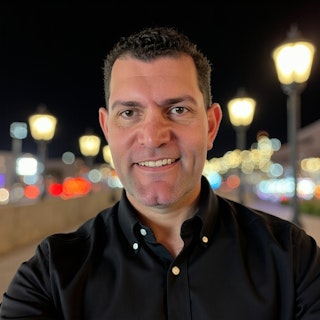
I am a board-certified Family and Addiction Medicine physician with over 15 years of experience spanning primary care, occupational health, aerospace medicine, and behavioral health. Licensed in all 50 states, I currently serve as Chief Medical Officer at Better U and CEO of Bespoke Concierge MD, where I design patient-centered care models and manage multidisciplinary provider networks across both telehealth and in-person settings. My background includes extensive collaboration with nurse practitioners and physician assistants in hospital, ambulatory, and virtual environments, emphasizing mentorship, quality oversight, and supportive team dynamics. As a Flight Surgeon in the U.S. Air Force Reserve, I bring operational medicine expertise and a commitment to service, while my Harvard healthcare leadership training and active involvement in professional societies reflect my dedication to advancing both patient care and provider collaboration. I am passionate about building high-functioning clinical teams and fostering an environment where advanced practice providers can thrive. ADD $100 TO OVERALL FEES FOR TN AND GA
Licensed to collaborate with Michigan nurse practitioners
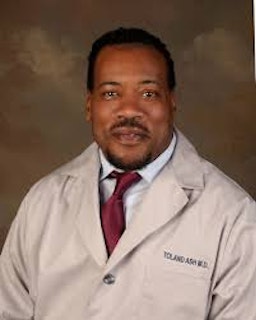
Board-Certified Family Medicine Physician | Urgent Care & Telemedicine Expert | Experienced NP Collaborator About Dr. Toland A. Dr. Toland A. is a highly experienced family medicine physician with over 20 years of clinical expertise spanning primary care, urgent care, mental health, weight management, and low-volume emergency medicine. A graduate of Meharry Medical College with residency training at Loyola University of Chicago, he has built a versatile career providing comprehensive, patient-centered care across various medical settings, including skilled nursing facilities and telemedicine. His analytical and detail-oriented approach allows him to optimize patient care, improve clinical processes, and provide evidence-based treatment in both in-person and virtual healthcare environments. Areas of Expertise • Traditional Family Medicine & Primary Care • Mental Health & Urgent Care • Low-Acuity Emergency Medicine • Telemedicine & Virtual Health Services • Weight Management & Preventative Medicine • Men’s & Women’s Health • Workers’ Compensation & Health Risk Assessments Collaboration with Nurse Practitioners Dr. Toland A. has extensive experience collaborating with Nurse Practitioners in a variety of settings, including mental health, urgent care, and primary care medicine. His supportive and hands-on approach ensures NPs receive guidance, mentorship, and autonomy while delivering high-quality patient care. With a passion for education, process improvement, and innovative healthcare solutions, Dr. Toland A. is a trusted collaborator for NPs looking to excel in diverse medical environments.
Licensed to collaborate with Michigan nurse practitioners
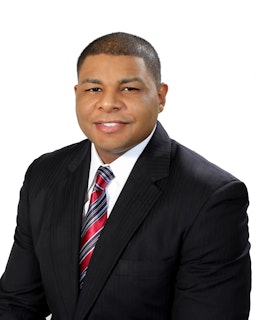
Dr. Daniel O. is an accomplished physician with more than 10 years of post-residency clinical experience, specializing in Addiction Medicine and Pediatrics while providing comprehensive care across a broad range of medical and wellness services. Throughout his career, he has combined clinical expertise with strong physician leadership, delivering high-quality, patient-centered care in both traditional medical practices and innovative healthcare settings. In addition to his extensive clinical experience, Dr. Daniel O. has developed expertise in aesthetic medicine, IV hydration therapy, hormone replacement therapy (HRT), ketamine infusion therapy, medical weight loss, primary care, and addiction medicine. With more than five years of procedural experience, he has performed a wide variety of minimally invasive aesthetic and wellness procedures while maintaining a strong commitment to patient safety, evidence-based care, and exceptional clinical outcomes. Dr. Daniel O. has also served as Medical Director for more than 10 practices across the United States, providing clinical oversight, regulatory guidance, and quality assurance to multidisciplinary healthcare teams. His extensive experience collaborating with Nurse Practitioners has allowed him to build effective, supportive partnerships that promote clinical excellence, professional growth, and outstanding patient care. Areas of Expertise • Addiction Medicine • Pediatrics • Primary Care • Medical Weight Loss • Hormone Replacement Therapy (HRT) • Ketamine Infusion Therapy • Aesthetic Medicine • IV Hydration Therapy • Comprehensive Patient Evaluations • Preventive Medicine • Medication Management • Wellness & Lifestyle Medicine • Clinical Procedures • Medical Directorship & Practice Leadership • Nurse Practitioner Collaboration & Supervision Philosophy of Collaboration Dr. Daniel O. believes that successful physician–NP collaboration is built on mutual trust, accessibility, and a shared commitment to delivering exceptional patient care. Having collaborated with Nurse Practitioners across multiple practices throughout the United States, he values creating supportive professional relationships that encourage open communication, clinical excellence, and continuous learning. His collaborative approach is practical, responsive, and mentorship-focused. As an experienced Medical Director, he provides timely guidance, thoughtful clinical oversight, and evidence-based recommendations while respecting the autonomy and expertise of the Nurse Practitioners he collaborates with. He believes that empowering clinicians through education and teamwork leads to better decision-making and improved patient outcomes. Drawing on his broad experience in addiction medicine, pediatrics, wellness medicine, aesthetics, and healthcare leadership, Dr. Daniel O. is committed to fostering collaborative partnerships that prioritize patient safety, professional development, and high-quality, compassionate care. He strives to be an accessible physician partner who helps Nurse Practitioners build confidence while delivering outstanding care across a variety of clinical settings.
Licensed to collaborate with Michigan nurse practitioners
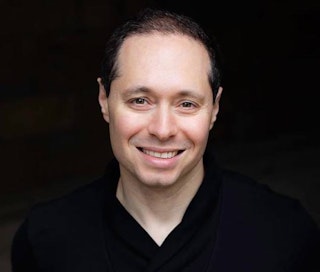
I am an internal medicine physician with over 5 years of experience in collaborating with med spas, IV infusion clinics, medical weight loss clinics and wound care clinics. I have training and injection experience in toxin and filler, with additional training in filler complication management. I am also certified in Kybella, Sculptra and Skinvive. I've had multiple courses on GLP1 management.
Licensed to collaborate with Michigan nurse practitioners
Board-Certified Urgent Care & Emergency Medicine Physician | Experienced NP Collaborator About Dr. Derrick D. Dr. Derrick D. is a highly experienced physician specializing in emergency and urgent care medicine. A New Orleans native and third-generation physician, he has dedicated over 20 years to treating acute and chronic conditions, with expertise in emergency medicine, urgent care, weight loss management, and testosterone replacement therapy. After earning his medical degree from the Philadelphia College of Osteopathic Medicine, Dr. Derrick D. completed his internship at Mercy Suburban Hospital in Pennsylvania and his residency in Emergency Medicine at the University of Medicine and Dentistry of New Jersey. He has since practiced emergency medicine for over 14 years and has spent the past six years focusing on urgent care and wellness medicine. Currently, he serves as the Medical Director for KedsPlasma Clinic and Align Infusion Therapy Clinic, where he applies his expertise in patient care and clinical leadership. Areas of Expertise -Emergency & Urgent Care Medicine -Weight Loss Management & Metabolic Health -Testosterone Replacement Therapy & Men’s Health -Spinal & Musculoskeletal Pain Management -Occupational & Preventative Medicine Collaboration with Nurse Practitioners Dr. Derrick D. has extensive experience working alongside Nurse Practitioners in emergency departments and urgent care settings across Louisiana. As a collaborator, he provides guidance and support to NPs, helping them navigate complex cases and expand their clinical expertise. He is also licensed in New York, Ohio, and Michigan, broadening his ability to support NPs across multiple states. Certifications & Professional Credentials Board Certified in Urgent Care Medicine (ABUCM) National Registry of Certified Medical Examiners (NRCME) Certified Clinical Laboratory Improvement Amendments (CLIA) Certified Advanced Cardiac Life Support (ACLS) & Basic Life Support (BLS) Certified Advanced Trauma Life Support (ATLS) & Pediatric Advanced Life Support (PALS) Certified Louisiana State Medical License Dr. Derrick D. is committed to providing high-quality, evidence-based care while fostering strong collaborations with Nurse Practitioners. His hands-on approach, accessibility, and vast clinical experience make him a valuable resource for NPs looking to enhance their practice. Practices in Louisiana
Licensed to collaborate with Michigan nurse practitioners
Practicing physician in hospital medicine. I have experience in telemedicine and have been collaborating for the past year. I have experience with primary care, IV infusions, aesthetics procedures including dermal fillers/botox.
Licensed to collaborate with Michigan nurse practitioners
Dr. Nimish S. is a board-certified family medicine physician providing comprehensive and patient-centered primary care with Villa Rica Family Medicine in Villa Rica, Georgia. He earned his Doctor of Medicine from the American University of Integrative Sciences in Barbados and completed his Family Medicine residency at Piedmont Columbus Regional in Georgia. Dr. Nimish S. is fluent in English and Hindi, enabling him to connect effectively with diverse patient populations. Dr. Nimish S. takes a comprehensive clinical approach that emphasizes preventive care, chronic disease management, and whole-person wellness. He integrates evidence-based medical care with lifestyle-focused strategies to help patients achieve optimal long-term health outcomes. His practice includes both in-person and telehealth services, ensuring continuity and accessibility of care for his patients. Areas of Expertise: • Primary & Family Medicine • Preventive Health & Wellness • Chronic Disease Management (Hypertension, Diabetes, Hyperlipidemia) • Integrative and Lifestyle-Based Care • Acute Care & Minor Procedures • Telemedicine & Continuity of Care Philosophy of Collaboration: Dr. Nimish S. believes that the foundation of effective healthcare lies in trust, teamwork, and education. He works collaboratively with nurse practitioners and care teams to develop individualized treatment plans that balance evidence-based medicine with patient preferences. His philosophy centers on empowering patients through knowledge and shared decision-making, fostering a proactive partnership that promotes sustainable health and wellbeing.
Licensed to collaborate with Michigan nurse practitioners
Dr. P is a dedicated collaborating physician with extensive experience in telemedicine and a broad range of specialties, including female and male sexual health, weight loss medicine (with expertise in GLP-1 prescribing), pediatrics, breastfeeding medicine, and medical aesthetics. With a strong belief in teamwork and shared decision-making, Dr. P fosters a collaborative approach to patient care, particularly enjoying the opportunity to support and work alongside nurse practitioners. Her communication style is open, supportive, and solution-focused, ensuring that both patients and healthcare providers feel heard and valued. By leveraging telemedicine, Dr. P is able to provide accessible, high-quality care to patients while also offering guidance and clinical insight to nurse practitioners in a variety of settings. Passionate about improving patient outcomes, she remains committed to staying at the forefront of medical advancements and best practices in their areas of expertise. Dr. P has spent over a decade in the academic setting, and has written and authored several national clinical policy guidelines. She has a Masters of Public Health and a Masters in Clinical Research, and brings the passion of evidence-based medicine to her clinical practice and collaborative relationships.
Licensed to collaborate with Michigan nurse practitioners
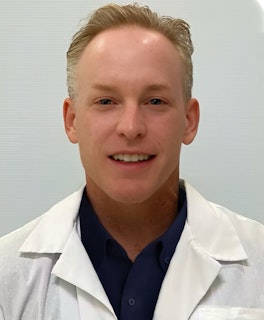
Board-Certified Emergency Medicine Physician & Experienced NP Collaborator Dr. Seth Di is a board-certified emergency medicine physician with over 20 years of experience in emergency and urgent care settings. He has a deep understanding of acute medical conditions, making him well-suited to assess and manage true emergencies in any private practice, regardless of its specialty. Currently providing emergency care at Southern Ocean Medical Center in Manahawkin, New Jersey, Dr. Di has worked in multiple hospitals throughout his career. He has also been actively involved in medical research, with published work recognized by the medical community, including the prestigious Govindrao Wable Research Award from the American College of Emergency Physicians. Areas of Expertise -Emergency Medicine & Urgent Care -Acute & Critical Care Management -Supervision & Mentorship of NPs & PAs -Medical Research & Published Studies Dr. Di has been supervising and mentoring mid-level providers for over two decades. He understands the balance between autonomy and support, allowing NPs to determine the level of involvement they need. Whether highly engaged or minimally involved, he remains available 24/7 to provide guidance and oversight when needed. More About Dr. Di Beyond clinical practice, Dr. Di is an active member of his community, supporting charitable organizations such as Your Grandmother’s Cupboard and participating in fundraising efforts for Southern Ocean Medical Center. He is also a member of the Point Pleasant Elks and enjoys traveling and outdoor sports. Dr. Di welcomes the opportunity to collaborate with NPs, ensuring they have the resources and support necessary to deliver high-quality, evidence-based patient care.
Licensed to collaborate with Michigan nurse practitioners
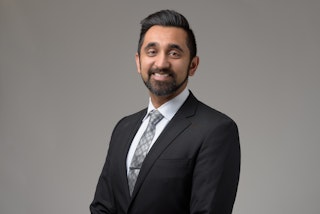
Dr. Aneel U. is an experienced psychiatrist and entrepreneur on a mission to make a meaningful difference in patient outcomes amidst a mental health crisis. He is at the forefront of innovation and cutting edge technology with a focus on improving access to care, and delivering high quality measurement based care at scale. He has 46 state licenses and loves working with Nurse Practitioners and Physician Assistants eager to start their practices and make a positive difference in their communities. Dr. Ursani earned his dual bachelor’s degree from University of California, Berkeley in Cell Biology and Psychology before he completed medical school at St. George’s University and psychiatry residency training at Eastern Virginia Medical School. He is currently working on his executive MBA at UC Berkeley. He has served as a clinical advisor to several different mental health start ups, as well as engaged in physician leadership roles at numerous companies including Cerebral, Lifestance, Amwell, Klinic, and Revive Telehealth. He has developed clinical quality programs through cross-collaborative efforts with engineering, product, and data scientists, and has led hundreds of providers in delivering high quality evidence based care. He has a particular focus on treatment resistant and high risk patient populations.
Licensed to collaborate with Michigan nurse practitioners
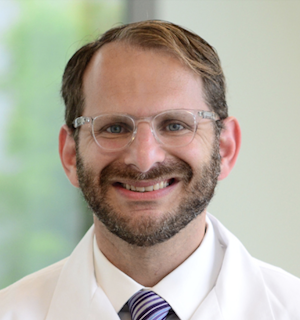
Jason Chertoff, M.D., M.P.H. is a physician board certified in Internal Medicine, Pulmonary Medicine, Critical Care Medicine, Neurocritical Care Medicine, and Obesity Medicine. He completed his undergraduate studies as a Biology major from Tufts University in 2000, received his medical degree from Tufts University School of Medicine in 2004, and obtained a Masters in Public Health from Columbia University in 2010. Dr. Chertoff’s professional interests include management of sepsis and septic shock, ARDS, interstitial lung disease, asthma, bronchiectasis, and other lung-related pathologies. When he’s not working, Dr. Chertoff enjoys spending time with his wife and twin 5-year-old children. Since 2019 Dr. Chertoff has been a collaborator for Nurse Practitioners and Physician's Assistants specializing in primary care, internal medicine, obesity medicine, aesthetics, IV hydration, psychiatry, and many other niches in medicine. Dr. Chertoff is always reachable by phone, text, or email 24/7 and is always willing to discuss any topics, questions, or concerns that may arise in the care of patients. Dr. Chertoff believes that collaboration is based on trust and mutual respect, and believes that a collaboration is based on an equal partnership with a common goal, to promote better patient care.
Licensed to collaborate with Michigan nurse practitioners
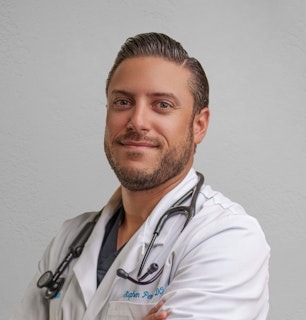
I am a board-certified Family Medicine physician with 10 years of clinical experience in outpatient primary care and urgent care settings. I am a dedicated physician with a strong focus on preventive medicine, chronic disease management, urgent care, telemedicine, and Osteopathic Manipulative Therapy. I have prior experience as a Medical Director supervising APPs in a multi-specialty primary care institution, where I was known for being both resourceful and highly accessible to the providers I guided. I am committed to fostering a collaborative environment that supports the professional growth and clinical excellence of the APPs under my supervision.
Licensed to collaborate with Michigan nurse practitioners
Michigan Fair Price benchmark (2026)
From 20+ signed contractsSource: NP Collaborator Fair Price Report, Edition 1, 2026. Figures reflect real signed collaboration agreements, not survey estimates or vendor list prices.
See the full Michigan collaborating physician cost breakdown →WHAT MICHIGAN REQUIRES FOR NURSE PRACTITIONERS AT A GLANCE
Requirement | Michigan Rule |
|---|---|
Delegated Prescribing Agreement | ✅ Required for Schedule II–V controlled substances |
Practice Authority | Restricted practice per AANP — independent for non-controlled prescribing; physician delegation required for controlled substances |
Agreement Retention | Physician retains original at their primary practice; NP retains a copy at their practice site for LARA inspection |
Annual Review | ✅ Required — physician must review and update the authorization annually with review date noted |
Prescription Documentation | ✅ Both NP's and physician's names and DEA numbers must appear on all controlled substance prescriptions |
Chart Review | ✅ Required as part of adequate supervision — periodic reviews of NP services |
Michigan MAPS Registration | ✅ Mandatory query for Medicaid patients before prescribing Schedule 2–5 controlled substances; strongly recommended as standard of care for all patients |
Physician Ratio Cap | ❌ No specific numerical limit in Michigan statute |
Geographic Proximity Requirement | ❌ None — physician can be located anywhere in Michigan |
Schedule II Supply Limit | ⚠️ Total authorized supply may not exceed 90 days |
Telemedicine Collaboration | ✅ Permitted — agreement can be handled virtually |
CE Requirement | 25 hours per two-year cycle; includes 2 hours pain management, 2 hours implicit bias training, one-time human trafficking training |
Medicaid Billing | ⚠️ Formal collaboration agreement required for NP direct Medicaid reimbursement, even for non-controlled prescribing |
THE COST OF GETTING THIS WRONG
Before we get into the requirements, let's be direct about what's at stake.
In Michigan, practicing without a valid Delegation Agreement while prescribing controlled substances isn't a paperwork problem. It's a licensing problem. Because Michigan allows autonomy for non-controlled prescribing, many NPs accidentally skip this step when moving from employment to independent practice, assuming independent prescribing authority extends to controlled substances. The Michigan Board of Nursing and LARA do not see it that way.
The most common compliance failures Michigan NPs face:
Prescribing without written delegation — thinking independent non-controlled authority covers Schedule II–V scripts automatically
Undocumented supervision — reviews happened, but no written log exists
DEA license mismatch — holding a DEA without a valid underlying state delegation
Missing agreement at the physician's or NP's practice — no signed document available for a LARA audit
Schedule II overstep — prescribing beyond what the specific agreement authorizes or exceeding the 90-day supply cap
Failing to query MAPS before prescribing to a Medicaid beneficiary — a mandatory requirement under MCL 333.7333a
Any one of these can trigger a LARA (Department of Licensing and Regulatory Affairs) investigation. A license suspension doesn't just pause your practice. It can end it.
THE DELEGATION AGREEMENT: WHAT IT MUST INCLUDE
The Delegation Agreement (written authorization) is the legal document that defines your controlled substance prescribing authority in Michigan. It must be written, signed by both parties, and the original must be retained at the delegating physician's primary place of practice, with a copy provided to the NP to retain at their practice site — available for inspection by LARA at any time.
A valid Michigan written authorization must include:
Full identification of all parties, including NP and delegating physician with license numbers and signatures
The effective date of the delegation
Practice settings and locations covering every site where delegation is active
Scope of delegated authority, explicitly outlining Schedule II, III, IV, and V substances, and any specific limitations or exceptions
Supervision and review protocols specifying how clinical oversight will be maintained and documented, consistent with Michigan's regulatory definition of adequate supervision: the physician must be continuously available for consultation (in-person or telecommunications), perform periodic reviews of the NP's services, and establish predetermined procedures and drug protocols
Consultation and referral procedures, including escalation for cases outside your scope
Communication processes outlining how and when you'll be in contact with your physician
Termination clauses defining how the relationship can be dissolved
Signatures from both parties
Annual Review Requirement: The delegating physician is required to review and update the authorization annually. The date of this review must be noted on the document. Any amendments must satisfy the same regulatory standards as the original.
Prescription Documentation: For every controlled substance prescription issued under this delegation, both the name and DEA registration number of the NP and the delegating physician must be used, recorded, or otherwise indicated on the prescription.
One critical distinction: In Michigan, the NP does not file this agreement with the state. The physician retains the original at their primary practice, and the NP retains a copy at their practice site. The delegating physician must be a Michigan-licensed M.D. or D.O. with clinical knowledge relevant to the substances being delegated.
The agreement should be reviewed and re-signed at least annually. Update it any time your practice scope changes — whether that's new specialties, new locations, or changes to your prescribing needs.
CONTROLLED SUBSTANCES IN PRIMARY CARE: WHAT MICHIGAN NPS CAN AND CANNOT PRESCRIBE
Controlled substances: when a Michigan NP needs a collaborating physician
Michigan's collaboration requirement applies specifically when controlled substances are involved. Under R 338.10404b, a nurse practitioner who prescribes controlled substances must have the collaborative relationship that rule requires.
That state requirement works alongside federal DEA rules. Under 21 C.F.R. Part 1306, the prescription itself must be issued for a legitimate medical purpose in the usual course of professional practice, and the prescriber must hold an individual DEA registration.
Schedule II Supply Limit: A physician may authorize an NP to issue multiple prescriptions for a Schedule II controlled substance, but the total authorized supply may not exceed a 90-day supply.
Prohibited Delegation: A physician may not delegate the authority to prescribe any drug or device intended to cause a miscarriage or fetal death.
For Michigan NPs, the practical question is not whether controlled-substance rules apply. It is whether the collaboration, prescribing workflow, and DEA credentials are aligned before the first Schedule II–V prescription is written.
MAPS Compliance: Michigan requires prescribers to query MAPS (Michigan Automated Prescription System) before prescribing any Schedule 2–5 controlled substance to a Medicaid beneficiary (MCL 333.7333a). Limited exceptions exist for hospice, cancer treatment, and emergency situations. For non-Medicaid patients, MAPS querying is strongly recommended as the standard of care — LARA and licensing boards have pursued negligence and incompetence charges against prescribers who failed to query MAPS when prescribing to patients exhibiting drug-seeking behaviors that a query would have identified.
PHYSICIAN RATIO LIMITS AND GEOGRAPHIC FLEXIBILITY
No Hard Numerical Cap
Unlike Texas (1:7) and other states with strict caps, Michigan law does not set a specific numerical limit on how many NPs a physician can delegate to. Instead, the physician must be able to provide adequate supervision, which includes continuous availability for consultation and periodic service reviews. This gives Michigan NPs more flexibility in finding an available partner, especially in rural or underserved regions.
No Geographic Distance Requirement
Michigan has no geographic proximity restriction. Your delegating physician can be located anywhere in the state, as long as they remain continuously available for consultation by phone or electronic communication during your practice hours.
This is a significant advantage for NPs in rural areas and those building independent or telehealth practices across the state.
Research findings cited in policy report summaries and healthcare data analyses suggest greater NP independence is associated with fewer malpractice lawsuits, better patient outcomes, and improved quality of care.
Related studies in full-practice-authority states also indicate more efficient use of healthcare resources, with outcomes showing declines in hospitalizations and preventable deaths.
ONGOING COMPLIANCE FOR LICENSED NURSE PRACTITIONER: CHART REVIEWS, SUPERVISION AND DOCUMENTATION
Chart review and documentation in practice
Michigan's regulations require adequate supervision, which includes periodic reviews of the NP's services, but do not publish a fixed chart-review percentage or a set meeting cadence. Even so, practices that write a specific review percentage into the agreement have an easier time at audit than practices that do not. As a matter of common practice, roughly ten percent of charts is the customary benchmark in agreements where the state leaves the figure open.
Set a recurring meeting and keep a record of it. National guidance from the NCSBN notes that collaboration and conferral rules vary by state, and monthly conferral is the most common pattern when no cadence is prescribed. Many practices also review and re-sign their protocol annually so the document still matches the way care is actually being delivered.
Keep the oversight record contemporaneous. Dated chart-review logs, meeting notes, and signed protocol versions are what show the collaboration was active and real.
Use the annual review as an opportunity to update drug schedules, adjust protocols, and make sure the agreement accurately reflects how your practice has evolved. A lapse in your agreement means a lapse in your controlled substance prescribing authority.
License Renewal and Continuing Education
Michigan nursing licenses, including NP licenses, renew every two years through LARA. The CE requirement is 25 hours per two-year renewal cycle, with the following mandatory topics:
2 hours in pain and pain symptom management
2 hours in implicit bias training
One-time human trafficking training (completed once, counts toward general CE)
Note: No more than 12 credit hours may be earned within a single 24-hour period. Licensees must maintain CE records for at least four years for potential audit.
Medicaid Billing Note
Michigan Medicaid policy requires a formal collaboration agreement for NPs to receive direct Medicaid reimbursement — even for non-controlled prescribing. NPs building practices that serve Medicaid populations should account for this requirement, which is distinct from the controlled substance delegation.
TELEMEDICINE COLLABORATIONS IN MICHIGAN HEALTHCARE DELIVERY
Telehealth and remote collaboration in Michigan
Telehealth does not remove the controlled-substance collaboration question. If a Michigan NP is prescribing controlled substances, the same collaborative-relationship rule in R 338.10404b still matters, and Michigan nursing policy remains part of the practice framework for services delivered through telehealth.
Michigan's official nursing policy is the state guidance point to review for telehealth delivery issues: Michigan Department of Health and Human Services Nursing Policy. Federal DEA rules at 21 C.F.R. Part 1306 still govern how a controlled-substance prescription must be issued.
As a matter of common telehealth practice, location follows the patient. A visit conducted from one state to a patient sitting in another is practice in the patient's state, so the licensure and collaboration analysis starts with the patient's location at the time of care.
HOW TO FIND A DELEGATING PHYSICIAN IN MICHIGAN
How to find a collaborating physician in Michigan
The fastest way to compare collaborating physicians is to start with specialty fit and controlled-substance workflow, not just availability. In Michigan, the physician relationship matters most when your practice needs controlled-substance prescribing under R 338.10404b.
When you evaluate a collaborating physician, ask four practical questions first:
Do they regularly collaborate in your specialty?
Are they comfortable with the prescribing categories your practice needs?
How do they handle chart review, consultation, and documentation?
What response time can you expect when a case needs physician input?
A good fit is not just a signed agreement. It is a collaborating physician whose workflow matches how your practice actually delivers care.
Employer-assigned: Simple, but you have no control over physician fit, engagement, or what happens if they leave. Doesn't apply if you're building your own practice.
Personal networking and cold outreach: Can work, but slow, unpredictable, and typically above-market pricing. Weeks of searching with no guarantee.
Matching platform: Pre-vetted physicians, transparent pricing, faster matching, compliance infrastructure built in. For most independent NPs, this is the fastest and most reliable path.
WHAT TO LOOK FOR IN A COLLABORATING PHYSICIAN (BEYOND THE CREDENTIAL CHECK)
Finding a physician who is licensed and available is the floor, not the ceiling.
The right delegating physician understands your specialty, communicates reliably, and treats the relationship as a genuine clinical partnership — not a monthly transaction. If you've had a bad experience with a collaborating physician before, you already know the difference.
Before signing any agreement, ask:
Do they have experience in your specialty? A family medicine physician delegating for a psychiatric practice is a different dynamic than a psychiatrist doing the same.
What's their availability for real-time consultation? Michigan requires continuous availability, so make sure they can actually deliver that.
How do they conduct chart reviews? Are they engaged and providing clinical feedback, or just signing off on a percentage?
What's their communication style? You need someone you can actually work with over the long term.
Are they comfortable delegating the schedules you need? Confirm they'll authorize the specific controlled substance levels your practice requires.
NPCollaborator's matching process is built around these questions — not just credential verification, but clinical and operational fit. Every physician in the marketplace has been vetted for specialty alignment, availability, and collaborative track record.
Disclaimer: This page summarizes NP Collaborator's interpretation of Michigan statutes, Board of Nursing rules, and DEA regulations governing nurse practitioner collaborative practice as of the date shown above. It is provided for informational purposes only and does not constitute legal, regulatory, or clinical advice. Laws and rules change — always verify current requirements directly with the Michigan Board of Nursing or a qualified healthcare attorney before making practice decisions.
FREQUENTLY ASKED QUESTIONS
How do I become a nurse practitioner in Michigan?
You generally need a valid Michigan registered nurse license as an RN, then complete an accredited graduate program such as a master or doctoral track with at least 500 supervised clinical hours. This advanced nursing education path may be offered online through a university, but the licensure standards are set by the Michigan Department of Licensing and Regulatory Affairs.
How do I become a Family Nurse Practitioner in Michigan?
To become a family nurse practitioner in Michigan, you must complete a Master of Science in Nursing degree, and that MSN is required for licensure in this role. The degree should be accredited by a recognized body such as CCNE, and after the coursework and clinical training are completed, graduates must pass a national certification test and then submit an application to the Michigan Board of Nursing.
How often do I renew an FNP license in Michigan?
An FNP license is renewed every two years, and renewal requires at least 25 hours of continuing education, including 2 hours in pain management, 2 hours in implicit bias training, and a one-time human trafficking training. No more than 12 CE hours may be earned in a single 24-hour period.
What are the legal requirements for a Michigan delegation agreement?
A valid written authorization must be signed by both parties and include the delegated controlled substance schedules, any limitations or exceptions, the effective date, supervision and chart review protocols, consultation procedures, and termination clauses. The physician retains the original at their primary practice; the NP retains a copy at their practice site. The physician must review and update the authorization annually with the review date noted on the document.
Does the NP file the agreement with the state?
No. There is no state filing requirement. The delegating physician retains the original at their primary place of practice, and the NP retains a copy at their practice site. Both must be available for a LARA audit at any time.
Do I need a physician for my entire practice in Michigan?
No. Michigan NPs have independent authority for non-controlled prescribing and clinical practice. You only need a delegating physician for the authority to prescribe Schedule II–V controlled substances. Note: Michigan Medicaid policy requires a formal collaboration agreement for NPs to receive direct Medicaid reimbursement, even for non-controlled prescribing.
Is there a limit on how many NPs a physician can delegate to?
No. Michigan law does not set a specific numerical limit. The physician must be able to provide adequate supervision, including continuous availability for consultation and periodic reviews of the NP's services.
Sources & References
Nursing rules and standards — Mich. Admin. Code R. 338.10101 to R. 338.10705 — Michigan nursing administrative rules that govern nursing licensure and practice requirements relevant to nurse practitioners.
Controlled-substance collaboration requirement — R 338.10404b — Michigan rule requiring a collaborative relationship for a nurse practitioner who prescribes controlled substances.
Controlled-substance prescribing — R 338.10404b — Michigan rule covering NP controlled-substance prescribing and related collaboration conditions.
Michigan nursing policy — Michigan Department of Health and Human Services Nursing Policy — Official Michigan nursing policy guidance relevant to delivery of nursing services, including telehealth considerations.
Michigan Board of Nursing — Official Board of Nursing homepage.
Further guidance
21 C.F.R. Part 1306 — Federal DEA prescription rules, including legitimate medical purpose and individual DEA registration requirements.
American Association of Nurse Practitioners, State Practice Environment — National practice-environment guidance and state-by-state context.
National Council of State Boards of Nursing, APRN Practice resources — National APRN collaboration and conferral guidance.
Related resources
NP Collaborative Agreement Template (Free Download)
Get a free 50+ page collaborative agreement template covering all 50 states. Includes sample language, filing requirements and NP-protective clauses.
Read moreGuidesBrowse All NP Resources
Guides, comparisons, templates and tools for nurse practitioners in one place.
Read moreComparisonsBest Collaborating Physician Platforms (2026)
Honest comparison of the top NP collaborating physician platforms. Transparent all-inclusive pricing starting at $424/mo.
Read moreToolsNP Collaboration Savings Calculator
Calculate how much you can save on collaboration fees. Compare costs and find the best rates in your state.
Read more