Missouri requires every nurse practitioner to hold a written, signed Collaborative Practice Arrangement with a collaborating physician. The CPA must specify prescriptive authority, and chart review schedules (10% of charts and 20% of controlled substance charts every 14 days). Missouri limits Schedule II prescribing to hydrocodone only, with a 120-hour supply cap.
Missouri requires every nurse practitioner to hold a written, signed Collaborative Practice Arrangement with a collaborating physician. The CPA must specify prescriptive authority, and chart review schedules (10% of charts and 20% of controlled substance charts every 14 days). Missouri limits Schedule II prescribing to hydrocodone only, with a 120-hour supply cap.
Everything Missouri nurse practitioners need to know about collaborative practice arrangements, prescriptive authority, compliance requirements, market rates, and finding a collaborating physician. Updated for 2026.
Missouri doesn't give nurse practitioners an easy path.
No independent practice. No experience threshold that unlocks autonomy. No exceptions. If you want to prescribe medications in Missouri — whether you're running a brick-and-mortar clinic or a telehealth practice — you need a collaborating physician and a valid Collaborative Practice Arrangement before you see your first patient.
But Missouri goes further than most restricted states. On top of the written agreement, the law layers on a mandatory one-month on-site training period, chart reviews every 14 days, and a hard cap on how many providers a single physician can collaborate with. Miss any one of them and you're not looking at a paperwork issue — you're looking at a licensing issue.
That's not going away in 2026. And for most Missouri NPs, the challenge isn't understanding the rules. It's building the compliance infrastructure, finding a physician who actually fits their practice, and doing it without overpaying or delaying their launch.
This guide covers all of it: Collaborating Physician Cost in Missouri
Find a Collaborating Physician in Missouri
6 verified physicians ready to collaborate · Fees $499–$649/mo
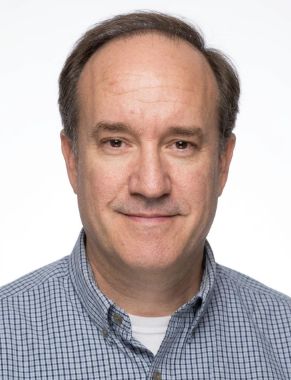
Dr. Jaron A. is a psychiatrist with diverse clinical experience in private practice, community mental health, and inpatient psychiatric care. His career has primarily focused on outpatient psychiatry, while also providing care in inpatient settings and developing specialized experience within an eating disorder treatment center. This broad background allows him to support patients with a variety of psychiatric needs across different levels of care. Dr. Jaron A. is committed to providing accessible, patient-centered psychiatric care and understands the importance of strong communication among healthcare professionals. His experience across community and private practice settings has given him a practical understanding of the challenges clinicians face when managing psychiatric conditions and coordinating ongoing treatment. Areas of Expertise • General Psychiatry • Outpatient Psychiatry • Inpatient Psychiatry • Community Mental Health • Private Practice • Eating Disorder Treatment • Psychiatric Evaluation & Assessment • Medication Management • Treatment Planning • Mental Health Care Coordination • Clinical Consultation • Patient-Centered Psychiatric Care • Nurse Practitioner Collaboration Philosophy of Collaboration Dr. Jaron A. believes that effective physician–NP collaboration is essential to meeting the growing mental health needs of patients in Missouri. He views collaboration as a supportive professional partnership built on communication, accessibility, mutual respect, and a shared commitment to quality patient care. His collaborative approach includes monthly meetings, with additional meetings as needed, allowing providers to regularly discuss cases, clinical concerns, and treatment decisions. He also remains available by text and phone for questions that arise between scheduled meetings, providing NPs with dependable physician support when they need it. Dr. Jaron A. respects the clinical knowledge and experience of Nurse Practitioners and aims to create a collaborative environment where providers feel comfortable discussing challenging cases and seeking guidance. His goal is to provide practical, responsive support while helping NPs deliver safe, compassionate, and effective psychiatric care to the communities they serve.
Licensed to collaborate with Missouri nurse practitioners

Dr. Amanda D. is an AOBEM board-certified emergency medicine physician with more than 20 years of clinical experience and a strong passion for functional medicine, hormone optimization, longevity medicine, regenerative medicine, aesthetics, and patient-centered wellness. Throughout her career, Dr. Amanda D. has cared for patients in high-acuity emergency medicine settings across multiple hospitals and communities. Her background in emergency medicine gives her a broad clinical foundation, strong diagnostic instincts, and extensive experience caring for patients with complex and urgent medical needs. In addition to her emergency medicine practice, she has served in physician leadership and medical director roles across wellness, regenerative medicine, aesthetics, and functional medicine settings. Dr. Amanda D. brings a distinctive blend of traditional medical training and advanced wellness-focused expertise. She has pursued additional training in bioidentical hormone replacement therapy, peptide therapies, functional medicine, longevity medicine, nutrition, strength and conditioning, bodybuilding, and personal training. This gives her a practical understanding of the relationship between lifestyle, exercise, metabolic health, hormone health, prevention, and healthy aging. Her approach is thoughtful, preventive, and personalized. She is especially interested in helping patients address root causes of disease, optimize healthspan, improve vitality, and pursue better long-term quality of life through evidence-based, integrative, and preventive care. Dr. Amanda D. is also experienced in medical director roles and understands the importance of clear protocols, safe practice standards, collaborative communication, and appropriate physician oversight. Her background may be especially valuable for nurse practitioners and other advanced practice providers working in wellness, aesthetics, regenerative medicine, hormone therapy, weight loss, functional medicine, or longevity-focused practices. Areas of Expertise • Emergency Medicine • Functional Medicine • Longevity & Preventive Medicine • Regenerative Medicine • Bioidentical Hormone Replacement Therapy • Hormone Optimization • Peptide Therapy • Weight Management & Metabolic Health • Aesthetic Medicine • Neurotoxins & Dermal Fillers • Chemical Peels & Body Contouring • Nutrition & Lifestyle Medicine • Strength & Conditioning • Fitness & Bodybuilding • Healthy Aging & Healthspan Optimization • Medical Director Leadership • Clinical Protocol Development • Patient Safety & Physician Oversight • Collaborative Practice • Patient-Centered Wellness Philosophy of Collaboration Dr. Amanda D. believes that effective physician–NP collaboration should be built on mutual respect, open communication, accessibility, and a shared commitment to patient safety and high-quality care. She views collaboration as a true professional partnership in which Nurse Practitioners can practice with confidence while having access to an experienced physician resource when clinical questions or complex cases arise. Her approach is supportive, practical, and patient-centered. She understands the unique needs of NPs working in wellness and specialty practices and is comfortable providing clinical consultation, discussing challenging cases, reviewing treatment approaches, and helping establish safe and appropriate clinical workflows. With more than two decades of emergency medicine experience combined with leadership in functional medicine, hormone optimization, aesthetics, regenerative medicine, and longevity care, Dr. Amanda D. brings a broad and versatile clinical perspective to collaboration. Her goal is to help NPs deliver safe, thoughtful, evidence-based care while supporting their professional growth and the long-term success of their practices.
Licensed to collaborate with Missouri nurse practitioners
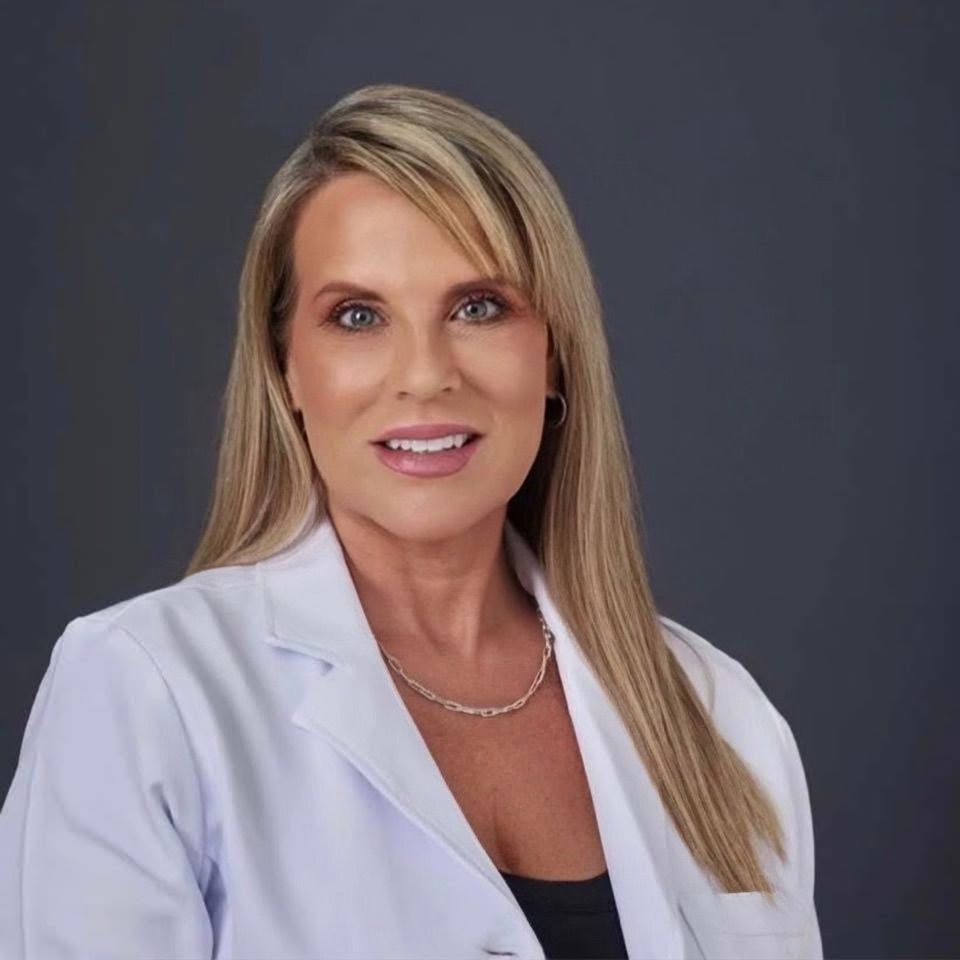
Dr. Janna C. is a Family Medicine physician with more than 20 years of clinical, administrative, and leadership experience across primary care, aesthetics, wound care, and medical leadership. She has provided comprehensive care to patients across all age groups and has extensive experience managing a broad range of medical conditions in both rural and outpatient settings. Dr. Janna C. practiced as a Family Medicine physician for more than two decades, providing comprehensive outpatient care and successfully working alongside and overseeing multiple Nurse Practitioners. She currently provides primary care in a rural health setting, bringing a broad clinical perspective and a strong commitment to accessible, patient-centered healthcare. In addition to her family medicine background, Dr. Janna C. has more than 20 years of experience in medical aesthetics, operating her own aesthetic practice and serving as Medical Director for multiple Medspas. Her experience includes overseeing Nurse Practitioners and supporting the delivery of safe, high-quality aesthetic services. She also brings significant expertise in wound care and hyperbaric medicine, having served as a wound care physician and medical director for a facility specializing in wound management. Her leadership experience further includes remote medical direction, clinical training, disability determinations, and professional medical review. Areas of Expertise • Family Medicine & Comprehensive Primary Care • Preventive Medicine • Chronic Disease Management • Acute & Outpatient Care • Medical Aesthetics • Botox, Dermal Fillers & Threads • MedSpa Medical Direction • Nurse Practitioner Oversight & Mentorship • Wound Care & Hyperbaric Medicine • Clinical Leadership & Medical Administration • Rural Healthcare • Patient Assessment & Treatment Planning • EMR & Clinical Documentation • Disability Determinations & Medical Review • Quality & Utilization Review • Remote Medical Leadership • Multidisciplinary Team Collaboration • Philosophy of Collaboration Dr. Janna C. believes that effective physician–NP collaboration is built on trust, mutual respect, accessibility, and a shared commitment to patient safety and excellent clinical outcomes. Having successfully overseen and worked alongside multiple Nurse Practitioners throughout her career, she understands the importance of providing physicians and advanced practice clinicians with reliable guidance while fostering confidence and professional independence. Her collaborative approach is practical, supportive, and responsive. She is comfortable providing clinical consultation, discussing challenging cases, reviewing treatment plans, and offering guidance when additional physician expertise is needed. Her experience in both traditional medical practice and medical aesthetics allows her to understand the unique clinical and operational considerations involved in different practice environments. Dr. Janna C. is committed to supporting NPs in delivering safe, evidence-based, patient-centered care while respecting their clinical judgment and scope of practice. With extensive experience in family medicine, aesthetics, wound care, medical direction, and NP oversight, she brings a well-rounded perspective to each collaborative relationship and strives to be an approachable and dependable physician resource. NOTE: ADD $100 FOR NP'S PRESCRIBING ANY CONTROLLED SUBSTANCES (SCHEDULES III-V)
Licensed to collaborate with Missouri nurse practitioners
See all 6 collaborating physicians in Missouri

Dr. Jose O. is a triple board-certified physician in Pulmonary, Critical Care, and Sleep Medicine with more than a decade of attending-level experience across academic, community, and tele-ICU settings. His diverse clinical background also includes hospitalist, nocturnist, and emergency medicine experience, giving him a broad perspective on both complex specialty care and general acute medicine. Dr. Jose O. currently practices bedside pulmonary and critical care at Houston Methodist and provides tele-ICU coverage for more than 35 hospitals across 15 states. He maintains active medical licenses in 29 states and DEA registration in 19 states, allowing him to support NP-led practices across a wide geographic footprint. His clinical expertise includes pulmonary conditions such as COPD and asthma, complex respiratory care, sleep apnea diagnosis and management, critical care, and acute inpatient medicine. His broad hospitalist and emergency medicine experience also allows him to confidently review a wide range of primary and urgent care presentations. Throughout his career, Dr. Jose O. has supervised residents, medical students, and advanced practice providers. He has also served as a medical director for a nonprofit clinic providing care to uninsured patients. In addition to his clinical experience, he holds an Executive MBA from Rice University, giving him an understanding of the operational and business considerations involved in developing and managing a medical practice. Areas of Expertise • Pulmonary Medicine • COPD Management • Asthma Management • Complex Respiratory Care • Sleep Medicine • Sleep Apnea Diagnosis & Management • Critical Care Medicine • Acute Inpatient Medicine • Hospitalist Medicine • Nocturnist Medicine • Emergency Medicine • Primary & Urgent Care Consultation • Complex Clinical Case Review • Tele-ICU Medicine • Advanced Practice Provider Supervision & Mentorship • Clinical Education & Training • Practice Operations & Business Strategy Philosophy of Collaboration Dr. Jose O. takes a responsive, practical, and supportive approach to collaboration. He understands that NP-led practices need a collaborating physician who is accessible, communicates clearly, and provides timely clinical support. He is easy to reach, completes chart reviews promptly, and remains available for real-time questions involving complex or urgent clinical situations. He views NPs as capable clinicians who take ownership of their practices and believes collaboration should provide meaningful clinical support without unnecessarily limiting their professional autonomy. His broad experience across pulmonary, critical care, hospital medicine, emergency medicine, and telemedicine allows him to offer practical guidance across a wide range of patient presentations. He is enthusiastic about supporting NP-led practices, helping clinicians grow their confidence and capabilities, and expanding access to high-quality patient care.
Licensed to collaborate with Missouri nurse practitioners
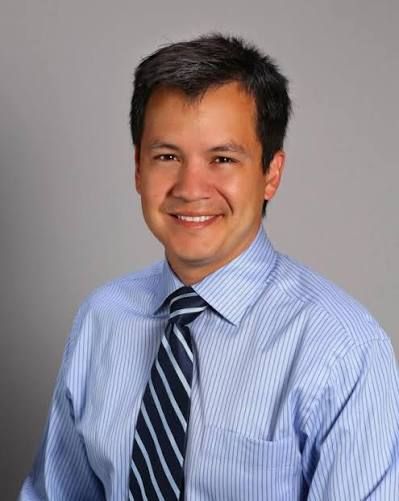
Dr. Edmundo F. is a highly experienced board-certified Gastroenterologist and Internist with extensive training and clinical experience in gastroenterology, internal medicine, and geriatrics. He earned his medical degree from Universidad Peruana Cayetano Heredia in Lima, Peru, followed by Internal Medicine training at the University of Tennessee in Memphis and UT Southwestern in Dallas. He subsequently completed a Geriatrics Fellowship at Baylor College of Medicine and a Gastroenterology Fellowship at the University of Louisville. Dr. Edmundo F. has practiced Gastroenterology in Illinois since 2012, with experience at multiple hospitals including Anderson Hospital, Carlinville Area Hospital, HSH St. John's Hospital, and Alton Memorial Hospital. His clinical background also includes hospital medicine and specialized care of older adults. He is board-certified in Internal Medicine, Geriatrics, and Gastroenterology and maintains active medical licenses in Illinois, Missouri, and Indiana. In addition to his clinical practice, Dr. Edmundo F. has demonstrated a strong commitment to academic medicine and evidence-based care. His professional work includes research and poster presentations in gastroenterology, hepatology, geriatrics, and complex medical conditions, with publications in respected medical journals. He has also served as a reviewer for Academic Medicine and the Annals of Internal Medicine, reflecting his engagement with clinical scholarship and medical education. Areas of Expertise • Gastroenterology • Internal Medicine • Geriatric Medicine • Hospital Medicine • Hepatology • Liver Disease • Gastrointestinal Disorders • Endoscopic Procedures & Gastrointestinal Evaluation • Upper Gastrointestinal Bleeding • Acute Pancreatitis • Gastrointestinal Care During Pregnancy • Complex Medical & Gastrointestinal Conditions • Care of Older Adults • Evidence-Based Medicine • Clinical Research & Medical Literature • Clinical Consultation • Multidisciplinary Patient Care Philosophy of Collaboration Dr. Edmundo F. approaches collaboration with an emphasis on evidence-based medicine, thoughtful clinical evaluation, and patient-centered care. His extensive experience across internal medicine, geriatrics, hospital medicine, and gastroenterology allows him to bring a broad clinical perspective when reviewing complex cases and supporting other healthcare professionals. He values collaborative clinical discussions and believes that effective patient care benefits from bringing together different areas of expertise. His academic and research background further supports a methodical approach to clinical decision-making, incorporating current medical literature, established guidelines, and relevant clinical data when developing recommendations. Dr. Edmundo F. strives to be a dependable clinical resource for Nurse Practitioners and other advanced practice clinicians, providing thoughtful consultation while respecting their clinical knowledge and experience. His goal is to foster a professional partnership focused on sound medical decision-making, continued learning, and high-quality patient care.
Licensed to collaborate with Missouri nurse practitioners
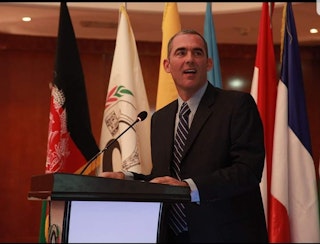
Dr. Dimitris G. is a board-certified psychiatrist with extensive international experience across emergency, outpatient, and consultation-liaison psychiatry. He currently serves as an ER Psychiatrist at Asante Rogue Regional Medical Center in Medford, Oregon, providing acute psychiatric evaluations and crisis management in a high-acuity hospital setting. Dr. Dimitris G. completed his psychiatry residency at Harvard South Shore, followed by a fellowship in Psychosomatic Medicine at Cambridge Hospital/Harvard Medical School. His training and subsequent clinical practice reflect a deep integration of biological, psychological, and social models of care. Additionally, he pursued advanced training in psychodynamic psychotherapy through the Boston Psychoanalytic Society and Institute (BPSI), further enriching his holistic and insight-oriented approach to patient care. Over the past two decades, Dr. Dimitris G. has practiced psychiatry across several countries—including the United States, the United Kingdom, Greece, the Maldives, and Saipan—allowing him to develop a culturally attuned and globally informed clinical perspective. His professional background spans general adult psychiatry, emergency psychiatry, and psychosomatic medicine, with particular interest in the mind-body interface and complex medical-psychiatric presentations. Areas of Expertise • Emergency & Consultation-Liaison Psychiatry • Psychodynamic Psychotherapy • Psychosomatic & Integrative Psychiatry • Cross-Cultural Psychiatry • Outpatient Psychiatry & Continuity of Care • Supervision & Clinical Teaching Philosophy of Collaboration: Dr. Dimitris G. believes that collaboration between psychiatrists and psychiatric nurse practitioners is built on mutual trust, respect, and shared clinical responsibility. He supports a model where NPs practice independently within their competence while having access to structured supervision for complex cases. His approach encourages professional growth, reflective practice, and high standards of patient-centered care through open communication and thoughtful mentorship. FOR CA ADD $100, NO MULTIPLE NP DISCOUNT AND CANNOT BE ADDED AS AN ADD-ON STATE.
Licensed to collaborate with Missouri nurse practitioners
Missouri Fair Price benchmark (2026)
From 20+ signed contractsSource: NP Collaborator Fair Price Report, Edition 1, 2026. Figures reflect real signed collaboration agreements, not survey estimates or vendor list prices.
See the full Missouri collaborating physician cost breakdown →WHAT MISSOURI STATE REQUIRES AT A GLANCE
Requirement | Missouri Rule |
|---|---|
Collaborative Practice Arrangement (CPA) | ✅ Required — written, signed and dated by both parties |
Physician Reporting to BOHA | ✅ Physician must report the arrangement within 30 days & at renewal |
Initial On-Site Period | ✅ 1 continuous month practicing together before solo practice |
Annual CPA Review | ✅ Required every 12 months, documented |
General Chart Review | ✅ Minimum 10% of charts every 14 days |
Controlled Substance Chart Review | ✅ Minimum 20% of controlled substance charts every 14 days |
Physician Presence (acute/chronic care) | ✅ On-site at least once every 2 weeks |
Schedule II Prescribing | ⚠ Hydrocodone-only, limited to a 120-hour supply, no refill |
Physician Ratio Cap | ⚠ Max 6 FTE NPs/PAs/APs combined per physician (3 FTE for outpatient acute/chronic care settings) |
Geographic Proximity | ⚠ Must not impede effective collaboration — the previous 75-mile rule was rescinded in 2024; specific mileage standards apply in HPSA settings; no mileage limit for telehealth in a rural area of need |
Record Retention | ✅ CPA & termination notice kept for 8 years after termination |
THE COST OF GETTING THIS WRONG
Before we get into the requirements, let's be direct about what's at stake.
Practicing without a valid CPA — or with one that doesn't meet Missouri Board of Nursing (BON), the Missouri State Board of Nursing, and State Board of Registration for the Healing Arts (BOHA) standards — isn't a paperwork problem. It's a licensing problem, because Missouri does not issue a separate NP license or physical APRN license and instead grants APRN recognition. Both boards have independent enforcement authority, both conduct random reviews of arrangements, and both can investigate, sanction, and suspend your ability to practice. In Missouri, case law has also confirmed that a collaborating physician can be held personally liable for an NP's prescribing — which is exactly why serious physicians insist on tight documentation.
Missouri nurse practitioners are recognized through a Document of Recognition, not a separate advanced practice license.
Applicants for APRN recognition typically submit proof of certification and a fee of about $150.
The most common compliance failures Missouri NPs face:
Skipping the one-month on-site period — practicing solo before completing 30 continuous days with the physician present
Lapsed or undocumented chart reviews — the 10%/20% happened but there's no written proof it occurred every 14 days
Proximity violations — practicing at a distance from the collaborating physician that impedes effective collaboration or adequate service review, without an approved proximity arrangement on file
Physician at capacity — collaborating with a physician already at the 6-FTE limit (or the 3-FTE limit in outpatient acute/chronic care settings)
Schedule II overstep — prescribing anything beyond Hydrocodone, or exceeding the 120-hour supply limit
Missing BNDD/DEA registration — prescribing controlled substances without both the federal DEA and Missouri BNDD registrations
Any one of these can trigger a BON or BOHA investigation. A license suspension doesn't just pause your practice. It can end it.
THE COLLABORATIVE PRACTICE ARRANGEMENT (CPA): WHAT IT MUST INCLUDE
The CPA is the legal document that defines your prescribing and practice authority in Missouri. To practice as a nurse practitioner in Missouri, the nurse must hold a current Missouri or multistate RN license and maintain national certification in a population focus. It must be written, signed and dated by both parties before implementation, and retained by both collaborating professionals — available for inspection by the BON or BOHA at any time. Under RSMo § 334.104, a valid Missouri CPA must include at minimum:
Complete names, home and business addresses, zip codes, and telephone numbers of both the collaborating physician and the APRN
A list of every other office or location where the physician authorizes the APRN to prescribe
A prominently displayed patient disclosure statement at each site, informing patients they may be seen by an APRN and have the right to see the collaborating physician
All specialty/board certifications of the physician and all certifications of the APRN, which for an NP require completing an accredited MSN degree or DNP as the required advanced degree and passing the specialty exam for a master's degree–level or doctoral specialty credential
The manner of collaboration, including how the two will maintain geographic proximity and provide coverage during the physician's absence, incapacity, or emergency
A description of the APRN's controlled substance prescriptive authority, listing exactly which substances are authorized
A list of all other written practice agreements held by either party
The duration of the agreement
A description of the time and manner of the physician's chart review — including the 10% (general) and 20% (controlled substance) review every 14 days
ANCC and AANP are common certification bodies for family nurse practitioner and other NP specialties.
One critical distinction: The NP does not file the CPA with the state or the Missouri State Board. Instead, the collaborating physician must report the arrangement to BOHA within 30 days of any change and at each license renewal. Both parties retain the signed CPA (and any termination notice) for a minimum of eight years.
The CPA must be reviewed and re-signed at least annually, with documentation of that review maintained. Update it any time your practice scope changes — new specialties, new locations, or changes to your prescribing needs.
CONTROLLED SUBSTANCES: WHAT MISSOURI NURSE PRACTITIONERS (NPs) CAN AND CANNOT PRESCRIBE
With a valid CPA that specifically delegates the authority, Missouri APRNs are advanced practice registered professionals who prescribe under delegated authority in Schedules III, IV, and V, plus a narrow slice of Schedule II — Hydrocodone only.
Missouri's Schedule II authority is one of the most restrictive in the country:
Only Hydrocodone products are permitted — you cannot prescribe Oxycodone, Adderall, Ritalin, or any other Schedule II substance as an NP
Schedule II-Hydrocodone and Schedule III narcotic prescriptions are limited to a 120-hour (5-day) supply with no refill
Controlled substances may not be delegated for inducing sedation or general anesthesia
Buprenorphine (a Schedule III) may be prescribed for up to a 30-day supply without refill for medication-assisted treatment, under the physician's direction
You may never prescribe controlled substances to yourself or family members
For any controlled substance prescribing, you also need:
An active federal DEA registration (separate from the CPA)
A Missouri Bureau of Narcotics and Dangerous Drugs (BNDD) registration — a state-level requirement in addition to the DEA
Controlled Substance Prescriptive Authority granted by the Missouri Board of Nursing
Compliance with Missouri's prescription monitoring program
Documented pharmacology education for controlled substance authority under the collaborative agreement
PHYSICIAN RATIO LIMITS AND GEOGRAPHIC PROXIMITY
The Ratio Caps
Missouri imposes two ratio limits depending on the practice setting.
The general statutory cap under RSMo § 334.104.8 limits each physician to a maximum of 6 full-time equivalent APRNs, physician assistants, and assistant physicians combined. If your prospective collaborating physician is already at or near capacity, the arrangement isn't valid.
For outpatient clinical settings involving the diagnosis and treatment of acutely or chronically ill or injured persons, administrative regulation 20 CSR 2200-4.200(D) imposes a tighter limit of 3 FTE APRNs per physician. These ratio limits do not apply to hospital employees providing inpatient care, population-based public health services, or CRNAs providing anesthesia under appropriate supervision.
This matters more than most NPs realize. In high-demand specialties and metro areas like St. Louis, Kansas City, and Springfield, popular collaborating physicians fill up fast. Confirming available capacity before you invest time in a relationship is essential.
Geographic Proximity
In 2024, both the Missouri State Board of Nursing and the State Board of Registration for the Healing Arts voted to rescind the previous 75-mile geographic proximity rule, finding it conflicted with the governing statute. The specific mileage-based definition is no longer in force.
The underlying statutory requirement remains under RSMo § 334.104(3): the collaborating physician must not be so geographically distant from the APRN as to create an impediment to effective collaboration or the adequate review of health care services.
The current proximity framework works as follows:
General practice: The physician and APRN must maintain a distance that allows for effective collaboration and oversight, based on the specific circumstances of their practice — no fixed mileage limit applies
Health Professional Shortage Areas (HPSAs): For APRNs practicing in federally designated rural HPSAs, a 30-mile road standard applies
Telehealth in a rural area of need: For APRNs providing services via telehealth within a rural area of Missouri located in a federally designated HPSA, no mileage limitation applies per RSMo § 335.175
Waiver applications: For any other reason, both boards may approve a proximity waiver if adequate supervision exists (deemed approved if not acted on within 45 days)
ONGOING COMPLIANCE: THE 1-MONTH PERIOD, CHART REVIEWS & MEETINGS
Signing a CPA is the starting line, not the finish line. Missouri requires active, documented oversight throughout the life of the collaborative relationship — and it starts before you ever practice solo.
The Mandatory One-Month On-Site Period
Before you can practice in a setting where the physician is not continuously present, you must first practice at the same location as your collaborating physician, continuously, for one full month. Missouri NPs are APRNs who diagnose, treat, and manage acute and chronic illnesses. Skipping this step is one of the most common — and most avoidable — violations in the state.
Chart Reviews Every 14 Days
Missouri sets specific, non-negotiable review percentages:
A minimum of 10% of all charts documenting your delivery of care, every 14 days
A minimum of 20% of controlled substance charts, every 14 days (these can count toward the 10% total)
Each review should document:
Date of review
Patient charts reviewed (by identifier, HIPAA compliant)
Physician comments or recommendations
Any follow-up actions required
The physician must be able to produce documentation of these reviews on demand. "We reviewed them" is not enough — the written log is what auditors ask for.
Graduate programs are designed to prepare nurse practitioners through didactic courses and supervised clinical experiences for an advanced degree, with core work in evidence-based practice guidelines and theory supporting diagnosis and treatment; candidates must complete at least 500 supervised clinical hours, and students complete those placements in community or outpatient settings after faculty approval.
Physician Presence for Acute/Chronic Care
If your practice includes diagnosing and initiating treatment for acutely or chronically ill or injured patients, the collaborating physician (or a designated physician) must be present on-site at least once every two weeks, except in documented extraordinary circumstances, to participate in chart review and provide medical direction. NPs may also order and interpret diagnostic tests such as X-rays, EKGs, and lab work.
Two-Week Evaluation of New Conditions
For conditions beyond acute self-limited or well-defined problems, the physician must examine and evaluate the patient and approve or formulate the treatment plan for new or significantly changed conditions within two weeks of the patient being seen. For telehealth practices, this evaluation can be done via live interactive video.
Continuous Availability
Your collaborating physician (or a designated physician) must be immediately available for consultation at all times — either personally or via telecommunication. Not physically present at all hours, but reachable. This is a patient safety requirement, not just paperwork.
Annual CPA Renewal
Every CPA must be reviewed and re-signed at least annually, with documentation maintained. A lapse in your CPA means a lapse in your prescribing authority.
TELEMEDICINE COLLABORATIONS IN MISSOURI
Telehealth is where Missouri's rules become significantly more flexible. Under RSMo § 335.175, APRNs providing telehealth services in a rural area of need — defined as any rural area of Missouri located within a federally designated Health Professional Shortage Area (HPSA) — are exempt from specific mileage limitations on geographic proximity. Additionally, the general geographic proximity standard under RSMo § 334.104(3) requires only that the physician not be so distant as to impede effective collaboration.
Key considerations for telehealth NPs:
Your CPA must specifically outline the use of telehealth
The physician may conduct the required patient examination/evaluation via live, interactive video
You must obtain and document the patient's (or guardian's) consent before initiating telehealth services
All telehealth activity must comply with HIPAA and applicable state and federal law
Chart review protocols (10%/20% every 14 days) still apply to virtual visit documentation
The telehealth mileage exemption under RSMo § 335.175 specifically applies to rural areas of need (HPSAs), not to all telehealth practice statewide — confirm your practice location qualifies before relying on this exemption
Missouri Collaborating Physician Cost Reference
Source: NP Collaborator Fair Price Report, Edition 1, 2026. Figures reflect real signed collaboration agreements, not survey estimates or vendor list prices.
HOW TO FIND A COLLABORATING PHYSICIAN IN MISSOURI
There are three routes — and they're not equal.
Employer-assigned: Simple, but you have no control over physician fit, engagement, or what happens if they leave. Doesn't apply if you're building your own practice.
Personal networking and cold outreach: Can work, but slow, unpredictable, and typically above-market pricing. Weeks of searching with no guarantee — and you still have to verify the physician isn't already at the 6-FTE cap (or the 3-FTE cap for acute/chronic outpatient settings), though Missouri professional nursing associations can be useful resources that promote collaboration among Missouri nurse practitioners.
Matching platform: Pre-vetted physicians, transparent pricing, faster matching, and Missouri-specific compliance infrastructure built in, with added support for physician matching and oversight. For most independent NPs, this is the fastest and most reliable path.
WHAT TO LOOK FOR IN A COLLABORATING PHYSICIAN (BEYOND THE CREDENTIAL CHECK)
Finding a physician who is licensed and available is the floor, not the ceiling.
The right collaborating physician understands your specialty, communicates reliably, and treats the relationship as a genuine clinical partnership — not a monthly transaction. In Missouri, where the physician carries real personal liability and must be physically present every two weeks in many settings, engagement matters even more. If you've had a bad experience with a collaborating physician before, you already know the difference.
Before signing any agreement, ask:
Do they have experience in your specialty? A family medicine physician collaborating on a psychiatric practice is a different dynamic than a psychiatrist doing the same.
Can they meet Missouri's presence requirements? If you're in an acute/chronic care setting, confirm they can actually be on-site every two weeks.
How do they conduct chart reviews? Are they engaged and providing clinical feedback every 14 days, or just signing off on a percentage?
What's their communication style? With required check-ins and continuous availability, you need someone you can actually work with.
Are they at or near their capacity? Confirm this before you invest time in the relationship — remember, the limit is 6 FTE generally but 3 FTE for outpatient acute/chronic care settings.
NPCollaborator's matching process is built around these questions — not just credential verification, but clinical and operational fit. Every physician in the marketplace has been vetted for specialty alignment, availability, and collaborative track record.
Disclaimer: This page summarizes NP Collaborator's interpretation of Missouri statutes, Board of Nursing rules, and DEA regulations governing nurse practitioner collaborative practice as of the date shown above. It is provided for informational purposes only and does not constitute legal, regulatory, or clinical advice. Laws and rules change — always verify current requirements directly with the Missouri Board of Nursing or a qualified healthcare attorney before making practice decisions.
FREQUENTLY ASKED QUESTIONS
What are the legal requirements for a Missouri CPA?
A valid CPA must be written, signed and dated by both parties before implementation, and include the parties' details, delegated prescriptive authority, chart review protocols, consultation procedures, and duration. It must be reviewed and re-signed annually and retained for eight years after termination.
Do I have to complete the one-month on-site period?
Yes. Before practicing in a setting where the physician isn't continuously present, you must practice at the same location as your collaborating physician for one continuous month. Skipping this is a violation that can trigger discipline for both parties.
Does the NP file the CPA with the state?
No. The NP retains the CPA on file. It's the collaborating physician who must report the arrangement to BOHA within 30 days of any change and at each license renewal.
What is the term and termination policy for a Missouri CPA?
Each CPA specifies its own duration, and most include a 30-to-90-day notice period. Termination must be in writing, and both the CPA and the termination notice must be retained for eight years. This is a critical point: if a physician terminates, you must stop prescribing until a new CPA is signed — which is why rapid physician replacement through a platform is so valuable for business continuity. NPCollaborator agreements include fair termination clauses to protect your practice.
How do you become a nurse practitioner in Missouri?
For registered nurses in Missouri, this is a timely chance to advance into advanced practice by earning an advanced degree through an accredited MSN or DNP path. A BSN is the usual starting point, and some schools describe that entry requirement at the bachelor level before admission.
Are there online or hybrid NP format options in Missouri?
Yes. Rockhurst University offers online MSN options, and many schools use online courses with some possible campus requirements depending on clinical or intensive components. Before applying, ask program faculty or coordinators to get your questions answered about schedules, placements, and any required in-person attendance.
Sources & References
Mo. Rev. Stat. § 334.104 — Core Missouri statute governing collaborative practice for APRNs, including nurse practitioners.
20 CSR 2200-4.100 — Missouri administrative rule addressing collaborative practice agreement requirements and related practice conditions for APRNs.
Mo. Rev. Stat. § 334.104; 20 CSR 2200-4.100 — Primary legal authorities for Missouri collaboration structure and chart-review obligations.
Mo. Rev. Stat. § 334.104 — Principal Missouri statute affecting APRN controlled-substance prescribing within collaborative practice.
Mo. Rev. Stat. § 334.104; 20 CSR 2200-4.100 — Missouri authorities used to determine physician-to-APRN collaboration limits.
Missouri Board of Nursing — Official state board homepage.
Further guidance
AANP Missouri practice environment — National practice-environment summary for Missouri.
AANP State Practice Environment — National overview of NP practice authority by state.
AANP Practice Information by State — Additional NP practice guidance by state.
21 C.F.R. Part 1306 — Federal DEA rules for issuing and filling controlled-substance prescriptions.
42 C.F.R. § 410.75 — Medicare conditions for coverage of nurse practitioners' services.
42 C.F.R. § 491.8 — Federal physician review requirements for RHCs and FQHCs.
CMS, Medicare Benefit Policy Manual, Ch. 15 — Federal payment and documentation guidance relevant to NP services.
American Medical Association, Telehealth Quick Guide — Telehealth workflow and documentation guidance.
Related resources
NP Collaborative Agreement Template (Free Download)
Get a free 50+ page collaborative agreement template covering all 50 states. Includes sample language, filing requirements and NP-protective clauses.
Read moreGuidesBrowse All NP Resources
Guides, comparisons, templates and tools for nurse practitioners in one place.
Read moreComparisonsBest Collaborating Physician Platforms (2026)
Honest comparison of the top NP collaborating physician platforms. Transparent all-inclusive pricing starting at $424/mo.
Read moreToolsNP Collaboration Savings Calculator
Calculate how much you can save on collaboration fees. Compare costs and find the best rates in your state.
Read more