South Carolina NPs operate under mandatory written practice agreements with physicians licensed and actively practicing in-state. Prescriptive authority is Board-issued and limited to drug categories in the agreement. Schedule II non-narcotics up to 30-day supply; narcotics limited to 5-day (exceptions for hospice/palliative/LTC), with subsequent prescriptions requiring physician approval. Physicians can supervise maximum 6 FTE clinicians (NPs, PAs, CNMs, CNSs combined). Remote consultation permitted. Biennial prescriptive authority CE: 20 pharmacotherapeutics hours including 2 controlled substance hours. Fair Price: $549/month median.
Quick Answer: Yes. South Carolina is a restricted-practice state requiring all Nurse Practitioners to maintain a current written practice agreement with a collaborating physician. NPs may prescribe Schedules II-V, but within limits defined in the practice agreement and by state law. Under 42 C.F.R. § 410.75, federal Medicare policy also requires that NP services be billed under a physician's provider number or in collaboration with a physician, and 21 C.F.R. Part 1306 sets federal DEA rules for controlled substance prescribing. For pricing, the South Carolina Fair Price median is $549/month.
South Carolina operates under a collaborative practice model for nurse practitioners, which means a current written practice agreement with a collaborating physician is central to practice setup and ongoing compliance. Your agreement should clearly define scope, consultation workflow, prescribing expectations, and chart review process in a way that matches the services you actually provide. Controlled-substance prescribing also has to satisfy federal DEA rules in addition to South Carolina requirements.
Find a Collaborating Physician in South Carolina
6 verified physicians ready to collaborate · Fees $499–$799/mo

Dr. Brian H. is an Emergency Medicine physician with six years of experience practicing in high-acuity, high-risk clinical environments. He currently serves as a full-time Emergency Physician with Vituity at Bon Secours Mercy Health in Greenville, South Carolina, following prior roles within major Louisiana health systems. His background reflects consistent experience in fast-paced emergency departments where rapid diagnostic clarity, patient safety, and decisive leadership are essential. Dr. Brian H. completed his Emergency Medicine residency at Inspira Health Network in New Jersey after earning his Doctor of Osteopathic Medicine degree from Lake Erie College of Osteopathic Medicine. He also holds a Master of Science in Cellular and Molecular Biology from Tulane University, providing a strong scientific foundation for evidence-based clinical decision-making. In addition to his emergency medicine practice, Dr. Brian H. is actively engaged in telemedicine and remote care models. He has pursued additional training in multi-state practice, compliance, and technology-enabled clinical workflows. With supplemental education in longevity and metabolic health, he offers informed guidance on patient selection, laboratory evaluation, and treatment planning within wellness-focused care models. Areas of Expertise • High-Acuity Emergency Medicine and Resuscitation • Complex and Undifferentiated Case Evaluation • Risk Stratification and Patient Safety • Diagnostic Reasoning and Clinical Decision-Making • Clear and Defensible Medical Documentation • Protocol and Workflow Development • Telemedicine and Remote Care Models • Multi-State Compliance and Regulatory Awareness • Longevity and Metabolic Health Support • Laboratory Evaluation and Treatment Planning • Scope Alignment and Clinical Oversight Philosophy of Collaboration: Dr. Brian H. values a supportive, team-based approach to collaboration with nurse practitioners and advanced practice providers. He prioritizes clear communication, structured case review, and appropriate scope alignment to ensure high standards of care are consistently maintained. Drawing from his emergency medicine background, he brings strength in evaluating complex or unclear cases, helping refine clinical judgment, and ensuring documentation supports sound medical decision-making. He believes collaboration should enhance both patient safety and provider confidence—creating an environment where clinical questions are welcomed and addressed thoughtfully. His goal is to serve as a reliable and approachable physician partner who strengthens patient outcomes, promotes efficient and consistent workflows, and supports NP-led practices with practical, evidence-based guidance. ADD $100 FOR CA NO MULTIPLE NP DISCOUNT AND CANNOT BE ADDED AS AN ADD-ON STATE
Licensed to collaborate with South Carolina nurse practitioners

Dr. Jeffrey E. earned his medical degree from the University of California, Davis and completed residency training at the University of California, San Francisco (UCSF), where he later served on faculty as Assistant and Associate Professor in Laboratory Medicine and Pharmaceutical Chemistry. His early career included extensive biomedical research, with over forty peer-reviewed publications in leading scientific journals and multiple patents in molecular biology and gene expression technology. Over the past 15 years, Dr. Jeffrey E. has focused on weight loss medicine, hormone replacement therapy (HRT/BHRT), regenerative and anti-aging protocols, and aesthetic medicine. He completed fellowship training in Anti-Aging and Regenerative Medicine through the American Academy of Anti-Aging and Regenerative Medicine (A4M). An early adopter of GLP-1 therapy, he has treated more than a thousand patients with GLP-1–based weight management protocols and remains actively engaged in metabolic optimization strategies. His career also includes ten years in community clinic medicine serving underserved populations, as well as multiple Medical Director roles overseeing compliance, staff training, and clinical protocol development in integrative and aesthetic practices across multiple states. Areas of Expertise • GLP-1–Based Weight Loss Therapy • Hormone Replacement Therapy (HRT/BHRT) • Metabolic Optimization and Age Management • Integrative and Functional Medicine • Peptide and Regenerative Medicine Approaches • Aesthetic Medicine and Neuromodulator Oversight • Erectile Dysfunction and Men’s Health Optimization • Complex Chronic Illness and Fatigue Syndromes • Community-Based Primary Care • Medical Directorship and Regulatory Compliance • Clinical Protocol Development and Staff Training Philosophy of Collaboration: Dr. Jeffrey E. values structured, clinically sound collaboration rooted in education, mentorship, and patient safety. Having served as a clinical preceptor for nurse practitioner programs and as Medical Director for multiple integrated practices, he emphasizes training, thoughtful oversight, and clear clinical protocols—particularly in areas such as hormone optimization and GLP-1 prescribing where nuance and monitoring are critical. He supports nurse practitioners practicing at the top of their license and believes collaboration should enhance both provider confidence and patient outcomes. His approach balances autonomy with accountability, ensuring that treatment strategies are evidence-informed, metabolically sound, and aligned with long-term health goals. Dr. Jeffrey E. views collaboration as an ongoing professional partnership—one that strengthens clinical decision-making, advances best practices in longevity medicine, and delivers disciplined, high-quality, patient-centered care. FOR CA ADD $25 NO MULTIPLE NP DISCOUNT AND CANNOT BE ADDED AS AN ADD-ON STATE.
Licensed to collaborate with South Carolina nurse practitioners

I am board-certified in Internal Medicine and spent 10 years practicing as a primary care physician. Additionally, I have completed training in Functional Medicine and now run my own practice as a Functional Medicine specialist. My areas of focus include GI health, autoimmune conditions, hormone therapy, anti-aging, longevity, and peptide therapy. Since the beginning of my career as an attending physician, I have had the privilege of collaborating with Nurse Practitioners and deeply value the relationships built through these partnerships. I am passionate about teaching and supporting others in delivering high-quality care to their patients. Resident of South Carolina
Licensed to collaborate with South Carolina nurse practitioners
See all 6 collaborating physicians in South Carolina

Emergency Medicine | Virtual Urgent Care Leader | NP-Centered Collaboration About Dr. Brandi G Dr. Brandi G is a board-certified emergency medicine physician with 15+ years of frontline and telehealth experience. She has led virtual urgent care programs and helped build NP-friendly workflows for rapid triage, evidence-based treatment, and smooth handoffs. As a collaborating physician, she’s accessible, practical, and team-first. Dr. G prioritizes clear protocols, quick turnaround on chart reviews, and right-sized oversight that protects NP autonomy while mitigating risk—especially in fast-moving urgent care and telemedicine environments. Areas of Expertise • Urgent Care & ED Triage (adult & adolescent) • Telemedicine & Virtual Urgent Care program design and oversight • Protocols for minor injuries, infections, and cardiac/arrhythmia evaluation • Stabilization & safe disposition (including behavioral health presentations) • Point-of-care diagnostics and risk stratification in resource-variable settings • Collaborative supervision of NPs in high-volume clinics and virtual hubs If you’re seeking a responsive collaborator who understands urgent care realities and telehealth operations, Dr. Brandi G offers a steady partner focused on efficiency, safety, and NP empowerment. ADD $100 FOR CALIFORNIA. NO MULTIPLE NP DISCOUNT FOR CA. CA CANNOT BE USED AS AN ADD-ON STATE REQUIRES REVIEW OF NP'S CV AND PROTOCOLS BEFORE DECIDING TO TAKE THE INTRO MEETING.
Licensed to collaborate with South Carolina nurse practitioners
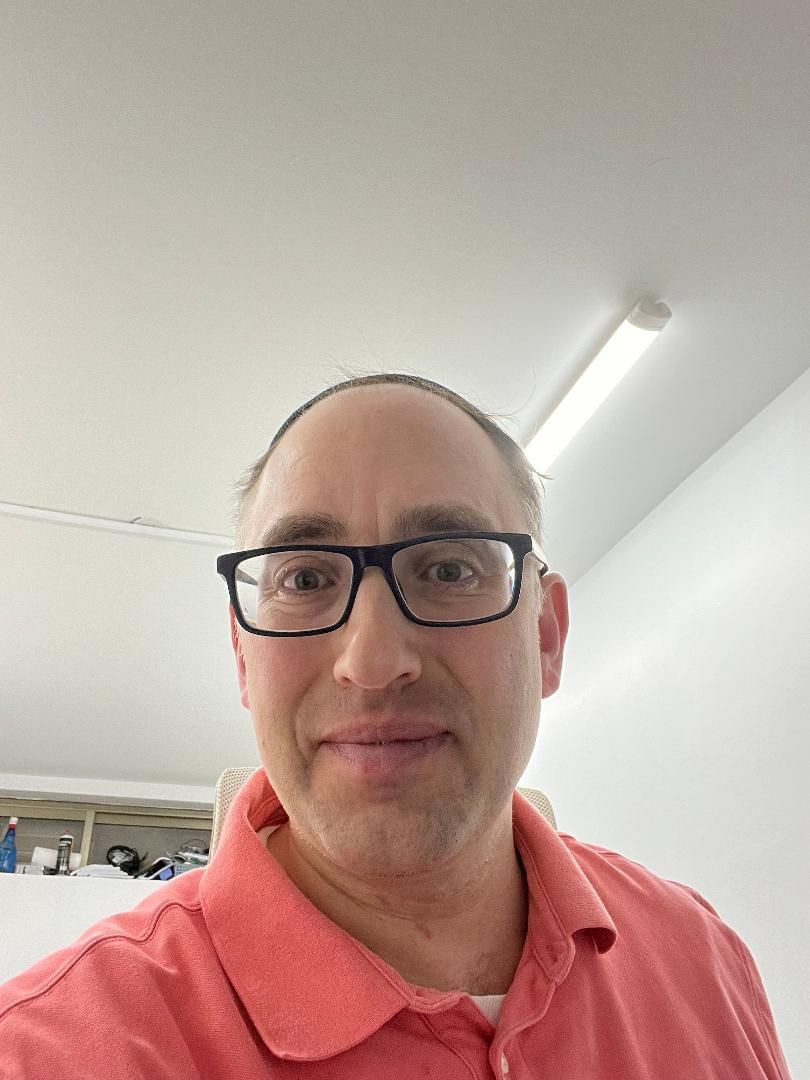
Dr. Tuvia B. is a board-certified psychiatrist with subspecialty board certification in Child and Adolescent Psychiatry. With more than 15 years of clinical experience, he provides comprehensive psychiatric care to children, adolescents, and adults across a variety of practice settings, including private practice, telepsychiatry, outpatient behavioral health, correctional psychiatry, and community mental health. Following the completion of his psychiatry residency and Child & Adolescent Psychiatry fellowship at Hofstra Northwell School of Medicine, Dr. Tuvia B. has built an extensive career caring for patients with a wide range of psychiatric conditions. He currently practices through his private practice and multiple national telepsychiatry organizations, providing accessible, high-quality psychiatric care to patients across numerous states. His broad multi-state licensure and extensive telemedicine experience allow him to effectively support patients and healthcare providers in diverse clinical environments. Throughout his career, Dr. Tuvia B. has worked in community mental health centers, correctional healthcare, hospital-based services, and outpatient psychiatry, giving him experience managing both routine and complex psychiatric presentations across the lifespan. His clinical approach emphasizes accurate diagnosis, evidence-based psychopharmacology, individualized treatment planning, and compassionate, patient-centered care. Areas of Expertise • General Adult Psychiatry • Child & Adolescent Psychiatry • Telepsychiatry • Outpatient Psychiatry • Community Mental Health • Correctional Psychiatry • Psychopharmacology & Medication Management • Mood Disorders • Anxiety Disorders • Attention-Deficit/Hyperactivity Disorder (ADHD) • Autism Spectrum Disorder • Behavioral Disorders in Children & Adolescents • Trauma-Related Disorders • Psychotic Disorders • Psychiatric Evaluation & Diagnostic Assessment • Collaborative Psychiatric Care Philosophy of Collaboration Dr. Tuvia B. believes that successful physician–NP collaboration is built on trust, open communication, and a shared commitment to providing high-quality psychiatric care. He values Nurse Practitioners as important members of the mental healthcare team and believes collaborative relationships should support both excellent patient outcomes and continued professional development. His collaborative approach emphasizes accessibility, timely communication, and thoughtful clinical consultation. He encourages open discussion of complex cases, evidence-based treatment planning, and shared clinical decision-making while respecting each provider's experience, autonomy, and clinical judgment. With extensive experience practicing across multiple healthcare settings and delivering telepsychiatry services nationwide, Dr. Tuvia B. understands the importance of being responsive and dependable in collaborative practice. His goal is to build long-term partnerships where Nurse Practitioners feel supported, confident, and equipped to provide compassionate, evidence-based psychiatric care while maintaining the highest standards of clinical excellence. CA- Add $100
Licensed to collaborate with South Carolina nurse practitioners
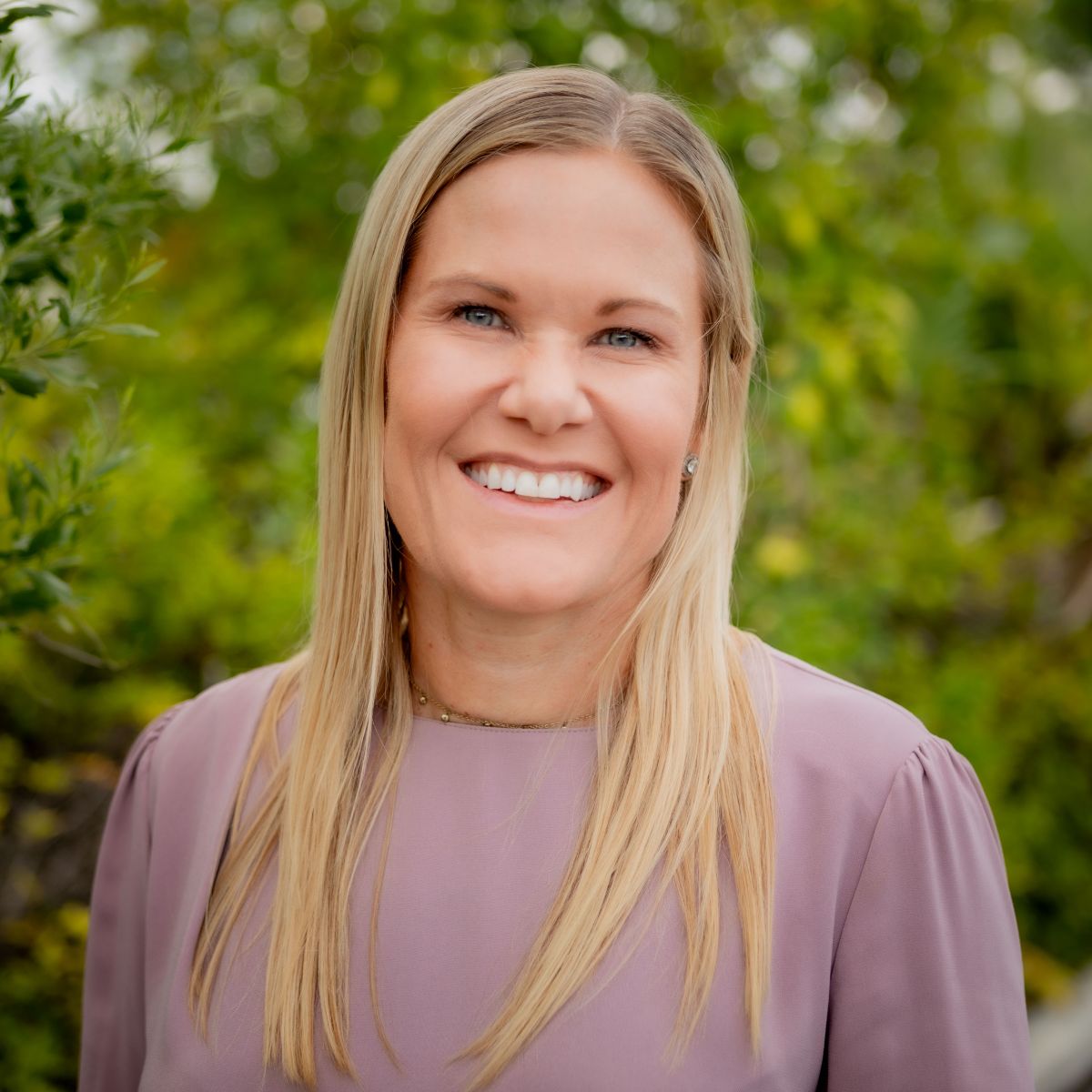
Dr. Mari A. is a physician with extensive experience providing psychiatric medication management for patients of all ages. Since 2012, she has practiced in a private practice setting, providing ongoing psychiatric care and individualized treatment based on each patient's needs. Her broad experience working across different age groups allows her to support patients throughout the lifespan. In addition to medication management, Dr. Mari A. provides Transcranial Magnetic Stimulation (TMS) Therapy, giving her experience with interventional approaches to mental health treatment. She is committed to providing thoughtful, individualized care while supporting patients through evidence-based treatment options. Areas of Expertise • Psychiatric Medication Management • Child, Adolescent & Adult Psychiatry • Comprehensive Psychiatric Care • Transcranial Magnetic Stimulation (TMS) Therapy • Diagnostic Evaluation • Treatment Planning • Long-Term Psychiatric Care • Patient-Centered Mental Health Care Philosophy of Collaboration Dr. Mari A. believes effective physician–NP collaboration is built on mutual respect, open communication, and a shared commitment to patient care. She values working as part of a collaborative team and understands the importance of providing reliable clinical support while respecting the NP's role and clinical judgment. As a collaborating physician, Dr. Mari A. aims to be an approachable and dependable resource for case discussions, medication management questions, and treatment planning. Her experience in psychiatric care across all age groups and in TMS therapy allows her to provide thoughtful clinical guidance while supporting NPs in delivering safe, individualized, and compassionate mental health care.
Licensed to collaborate with South Carolina nurse practitioners
South Carolina at a Glance
Requirement | What this page covers | Source |
|---|---|---|
Practice model | South Carolina uses a collaborative practice model requiring a written practice agreement with a physician. | |
Prescriptive authority | NPs prescribe within scope defined in practice agreement. Schedule II narcotics limited to 5-day supply (30-day in hospice/palliative/LTC). Schedule II non-narcotics up to 30-day supply. Schedules III-V within agreement scope. | |
Physician ratio | Maximum 6 FTE clinicians (NPs, PAs, CNMs, CNSs combined) per physician. | |
Physician requirements | Licensed to practice in South Carolina, actively practicing within state boundaries, readily available by phone/telehealth. | |
CE requirements | 20 contact hours pharmacotherapeutics every 2 years (2 hours on controlled substances) for prescriptive authority holders. | |
Telehealth | Remote collaboration permitted; patient location determines state law applicability. | |
Fair Price | South Carolina Fair Price median: $549/month, Fair Price Band $549-$684/month. |
How Nurse Practitioner Practice Works in South Carolina
Does a South Carolina NP need a collaborating physician?
Yes. South Carolina is a restricted-practice state requiring all nurse practitioners to maintain a written practice agreement with a collaborating physician as a condition of practice and prescriptive authority. This requirement is established in S.C. Code § 40-47-195 and enforced by the South Carolina Board of Nursing and Board of Medical Examiners.
Important distinction: NPs in South Carolina do NOT have independent prescriptive authority. Prescriptive authority is granted by the Board of Nursing contingent on maintaining an active practice agreement. Your practice agreement explicitly defines which drug categories you may prescribe. You cannot prescribe outside those categories without amending the agreement.
For readers comparing state models, South Carolina is commonly classified as a restricted-practice state. See AANP South Carolina practice environment.
The Practice Agreement in South Carolina
What is a practice agreement and what must it contain?
South Carolina requires a written practice agreement (also referred to as a collaborative practice agreement or practice protocol) between NPs and collaborating physicians. This agreement is a formal legal document that defines your collaborative relationship and must be reviewed and signed at least annually by both parties.
Required elements of a practice agreement per S.C. Code § 40-47-195:
Names, addresses, and license numbers of both the NP and the collaborating physician
Nature of the practice and practice locations
Procedures for consultation, including backup consultation if the primary physician is unavailable
Specific medical conditions, treatments, and drug therapies that may be initiated, continued, or modified
Situations requiring direct physician evaluation or referral
Chart review frequency and methodology (flexible; determined by the parties)
Communication protocols (in-person, phone, telehealth)
The agreement must be available to the Board of Nursing within 72 hours of a request. You must also notify the Board of Nursing within 15 business days if you initiate, change, or terminate a practice agreement.
Practice Agreement Execution
Both the nurse practitioner and the physician must sign the practice agreement for it to be valid. The signed agreement should be maintained at the NP's primary practice location and must be made available to state boards upon request.
Prescriptive Authority in South Carolina
What is prescriptive authority and how do NPs get it?
Prescriptive authority in South Carolina is NOT independent. It is a Board-issued privilege granted to NPs who meet specific requirements:
Requirements for Board-issued prescriptive authority:
Current South Carolina nursing license (RN)
Master's degree from an accredited institution in nursing or related field
Current national certification from a Board-approved certifying body (ANCC, AANP, etc.)
Completion of 45 contact hours of pharmacotherapeutics education (within 2 years prior to application), with at least 15 hours on controlled substances
Active DEA registration (if prescribing controlled substances)
Current practice agreement with a collaborating physician
Payment of all applicable Board fees
Once granted, prescriptive authority is restricted to the drug categories explicitly listed in your practice agreement. You cannot prescribe outside those categories without amending the agreement.
Controlled Substance Prescribing Rules in South Carolina
South Carolina grants NPs authority to prescribe controlled substances within strict limits. Federal DEA rules apply on top of state limits.
Supply limits by schedule:
Schedule | Limit | Notes |
|---|---|---|
Schedule II Non-narcotics | Up to 30-day supply per prescription | No pre-approval needed; must document clinical rationale |
Schedule II Narcotics | Up to 5-day supply per prescription | Subsequent prescriptions require physician's written agreement |
Schedule II Narcotics (Special Settings) | Up to 30-day supply | Permitted in hospice, palliative care, or long-term care facilities |
Schedule III-V | Within scope of practice agreement | Listed in agreement; flexible prescribing within scope |
Key requirements:
Your practice agreement must explicitly identify which controlled substance categories you're authorized to prescribe
You cannot prescribe outside those categories without amending the agreement through the Board
Clinical documentation supporting prescriptive decisions is required
DEA registration must be in your own name (not delegated from physician)
You must maintain PDMP registration and review patient history before prescribing
Schedule II Narcotics — Special Attention
South Carolina imposes a strict 5-day supply limit for Schedule II narcotic prescriptions, with an important exception:
Standard prescriptions: 5-day supply maximum
Hospice, palliative care, or long-term care patients: May extend to 30-day supply
Subsequent narcotic prescriptions: Require your collaborating physician's written agreement
This is a meaningful limitation on opioid prescribing and reflects South Carolina's focus on controlled substance safety. Compliance with these limits is tracked during board audits.
Collaborating Physician Requirements
What qualifications must a collaborating physician have?
A physician entering into a practice agreement with an NP in South Carolina must meet specific legal requirements:
Physician qualifications:
Hold an active, unrestricted, permanent license to practice medicine in South Carolina issued by the South Carolina Board of Medical Examiners
Be actively practicing medicine within the geographic boundaries of South Carolina
Remain "readily available" for consultation during all hours that care is provided (by phone, video, or in-person)
Have training, experience, and usual practice aligned with the NP's scope (physicians cannot enter practice agreements for medical acts outside their own experience)
Important clarification: Physicians must be actively licensed and practicing in South Carolina. Out-of-state practice is not permitted, though remote consultation by phone or telehealth is fully acceptable.
Physician-to-NP Ratios
South Carolina law imposes a regulatory cap: A physician may enter into practice agreements with a maximum of 6 full-time equivalent (FTE) clinicians combined, including NPs, Physician Assistants (PAs), Certified Nurse-Midwives (CNMs), and Clinical Nurse Specialists (CNSs).
Per S.C. Code § 40-47-195(D)(1)(c):
No more than 6 FTE clinicians may provide clinical services simultaneously under a single physician
The South Carolina Board of Medical Examiners may approve exceptions if it determines patient safety and quality of care will be maintained
This is a hard regulatory limit—not a flexible guideline. Physicians cannot exceed this cap without Board approval.
Physician Specialty Alignment
While there is no mandatory specialty match requirement, physicians cannot enter practice agreements for medical acts outside their own training, experience, or usual practice. For example:
A cardiologist could collaborate with a Nurse Practitioner in cardiology
A general internist could collaborate with an NP in primary care
However, a cardiologist would typically not enter a practice agreement for psychiatric prescribing outside their experience
The Board of Medical Examiners may approve exceptions to this requirement if it determines patient safety and quality of care will be maintained.
Controlled Substance Compliance and Documentation
How should NPs document their controlled substance prescribing?
Controlled substance prescribing is subject to both state and federal oversight. Documentation is critical:
Required documentation:
Clear clinical indication for the controlled substance
Dosage, frequency, and refill information
Rationale for the chosen medication and supply duration
PDMP review prior to prescribing (documented)
Any physician consultation regarding the prescription
Patient education provided
Chart review and audit readiness:
The Board of Nursing and Board of Medical Examiners conduct compliance monitoring through documentation review and complaint investigations. Maintain:
Current practice agreement (reviewed and signed annually)
Chart review logs with dates and findings
Controlled substance prescribing records
Communication logs with your collaborating physician
CE documentation (at least 4 years)
Continuing Education Requirements
What CE does an NP with prescriptive authority need?
South Carolina requires specific continuing education for NPs who hold Board-issued prescriptive authority:
Prescriptive authority CE requirements:
20 contact hours in pharmacotherapeutics during each 2-year license renewal period
Minimum 2 hours within those 20 hours must focus on controlled substance prescribing
CE hours must be from Board-approved providers
Documentation must be maintained for at least 4 years
CE can be completed through accredited continuing education providers, conferences, online courses, or university-based programs recognized by the South Carolina Board of Nursing.
License renewal occurs biennially (by April 30th of even-numbered years). Failure to meet CE requirements may result in license renewal denial or disciplinary action.
Telehealth and Remote Collaboration in South Carolina
How does telehealth work with practice agreements?
Remote collaboration is fully acceptable in South Carolina. Many NP practices operate with collaborating physicians who are not on-site daily. The key operational principle is that consultation and chart review workflows must be documented and workable for the clinical risk of the practice.
Telehealth specifics:
Patient location determines state law applicability. A visit conducted from one state to a patient in another state is practice in the patient's state
Licensing: Both NP and physician must be licensed in the state where the patient is located
Consultation: Can occur by phone, video, or electronic means
Chart review: Can be conducted remotely with proper documentation
Remote availability: The collaborating physician can provide consultation remotely; physical co-location is not required
For implementation guidance, see American Medical Association, Telehealth Quick Guide and 42 C.F.R. § 410.75 for Medicare telehealth rules.
What Does a Collaborating Physician Cost in South Carolina?
South Carolina Fair Price benchmark (2026)
From 50+ signed contractsSource: NP Collaborator Fair Price Report, Edition 1, 2026. Figures reflect real signed collaboration agreements, not survey estimates or vendor list prices.
See the full South Carolina collaborating physician cost breakdown →Market pricing for collaborating physicians
Collaborating physician costs in South Carolina vary significantly based on practice setting, specialty, prescriptive authority scope, and physician experience. Factors influencing cost include:
Specialty area (mental health, primary care, aesthetics, etc. command different rates)
Prescriptive authority scope (broader authority often costs more)
Chart review burden (frequency and intensity)
Geographic location (urban vs. rural; Charleston/Columbia higher than rural areas)
Physician experience with NP collaboration
According to NP Collaborator's Fair Price for Collaboration Report, Edition 1 (2026), the South Carolina Fair Price median is $549/month, with a Fair Price Band of $549–$684/month, based on real market data.
These figures represent total monthly fees including physician compensation, platform fees (if applicable), and physician malpractice insurance.
Typical market arrangements:
Minimal Collaboration: $300–$450/month (light administrative relationship)
Active Partnership Model: $550–$800/month (regular chart reviews, case consultation)
High-Engagement Collaboration: $850–$1,100+/month (intensive oversight, specialized mentoring)
System Employment: Often no direct cost (built into employment)
Finding a Collaborating Physician
Traditional recruitment involves networking within hospital systems, contacting physician colleagues directly, and negotiating terms individually. This approach works in urban and suburban areas but becomes challenging in rural South Carolina where physician availability is limited.
Modern solutions streamline this process. NPCollaborator matches South Carolina NPs with vetted collaborating physicians based on specialty, geography, and practice type. This approach eliminates months of recruitment while ensuring your collaborator understands South Carolina's collaborative practice model.
2026 Market Rate Breakdown
Option | Monthly Cost | Flexibility | Collaboration Support |
|---|---|---|---|
NPCollaborator Service | $449 | High – switch physicians if needed | Included – compliance support, documentation |
Traditional Private Arrangement | $650–$1,000 | Moderate – limited options | Minimal – your responsibility |
Health System Employment | No direct cost | Low – system-determined terms | Strong – organizational framework |
Individual Negotiation | $500–$900 | High – custom terms | Depends on physician |
How to interpret pricing: The Fair Price benchmark of $549/month answers the question, "What is typical across the market in South Carolina?" Individual physicians on NP Collaborator answer a different question: "Which collaborating physicians are available right now, and what do they charge?" An individual physician's fee may be higher or lower than the Fair Price median.
Why NPCollaborator Makes Sense for South Carolina NPs
When comparing options, NPCollaborator stands out for South Carolina NPs specifically because it addresses pain points unique to South Carolina's collaborative practice model:
Factor | NPCollaborator | Traditional Physician | System Employment |
|---|---|---|---|
Cost | $449/month | $700+/month (Fair Price ~$549) | No direct cost but inflexible |
Matching Speed | 2–4 weeks | 2–6 months or longer | Immediate (hiring process) |
Physician Vetting | Yes – SC collaboration experience | Unknown fit | HR-selected |
Agreement Preparation | Complete – all documentation included | You handle it | Standard template |
SC Regulatory Knowledge | Yes – Board of Nursing aligned | Varies widely | Organizational compliance |
Flexibility | High – easy to change if needed | Limited – disruptive | Very limited – employment-bound |
Chart Review Support | Automated scheduling & tracking | Manual coordination | Integrated with employment |
Support During Audits | Yes – documentation assistance | Limited | Employer support |
Many South Carolina NPs choose NPCollaborator specifically because it eliminates the recruitment burden while ensuring their collaborative arrangement complies with South Carolina's regulatory requirements from day one.
Compliance and Documentation Standards
How should South Carolina NPs document their practice?
The Board of Nursing and Board of Medical Examiners conduct compliance monitoring through documentation review and complaint investigations. Strong record-keeping is essential:
Documentation standards:
Current practice agreement: Reviewed and signed annually; available on request
Chart review records: Document which charts are reviewed, dates of each review, findings noted, and feedback provided
Consultation logs: When you consulted with your collaborating physician and the outcome
Controlled substance records: Prescriptions, clinical justification, PDMP monitoring, physician consultation notes
Continuing education: Documentation of 20-hour pharmacotherapeutics CE every 2 years
License and certification: Current NP license and national certification
Keep records contemporaneously (i.e., as the work is done, not reconstructed later). Dated chart-review logs, meeting notes, and signed agreement versions demonstrate that collaboration was active rather than theoretical.
Chart Review Best Practices
While South Carolina doesn't mandate a specific chart review percentage, many collaborative agreements establish 10% sample review as a measurable, auditable standard. This provides:
Objective documentation of ongoing collaboration
Early detection of practice issues
Defensibility during board audits
Consistency with national APRN standards
For Medicare documentation context, see CMS, Medicare Benefit Policy Manual, Ch. 15.
Frequently Asked Questions
Q: Do nurse practitioners need a practice agreement in South Carolina?
A: Yes. South Carolina is a restricted-practice state requiring all NPs performing medical acts to maintain a current written practice agreement with a collaborating physician. This is a legal requirement, not optional.
Q: What happens if my collaborating physician becomes unavailable?
A: Contact the South Carolina Board of Nursing immediately. You must notify the Board within 15 business days. While you recruit a new physician, South Carolina generally allows a temporary practice continuation period (typically 30–60 days). Your backup physician from the practice agreement can provide interim coverage.
Q: Can I change collaborating physicians easily?
A: Yes. You can change physicians with reasonable notice (typically 30–60 days). You don't need Board pre-approval to change physicians, but you must notify the Board of Nursing within 15 business days of the change.
Q: What are the Schedule II prescribing limits in South Carolina?
A: Schedule II non-narcotics are limited to 30-day supply per prescription. Schedule II narcotics are limited to 5-day supply per prescription (except in hospice, palliative care, or long-term care settings where 30-day is permitted). Subsequent Schedule II narcotic prescriptions require your physician's written agreement.
Q: Can my collaborating physician be out-of-state?
A: No. Your collaborating physician must be actively licensed and actively practicing medicine within South Carolina's geographic boundaries per S.C. Code § 40-47-195. Remote consultation by phone or video is fully acceptable, but the physician cannot practice from another state.
Q: How many NPs can one physician supervise?
A: A physician can enter practice agreements with a maximum of 6 full-time equivalent clinicians (NPs, PAs, CNMs, CNSs combined) per S.C. Code § 40-47-195(D)(1)(c). This is a regulatory cap. The Board of Medical Examiners may approve exceptions if patient safety is maintained.
Q: What CE requirements do NPs with prescriptive authority need?
A: 20 contact hours of pharmacotherapeutics CE every 2 years (during your license renewal period), with a minimum of 2 hours on controlled substance prescribing. Documentation must be maintained for at least 4 years.
Q: Can collaboration happen via telehealth?
A: Yes. Consultation, case discussion, and chart review can all happen remotely by phone, video, or secure electronic workflow as long as the process is documented and fits the clinical risk of the practice.
Q: How much does a collaborating physician cost?
A: The South Carolina Fair Price median is $549/month, with a Fair Price Band of $549–$684/month. However, individual arrangements vary widely depending on specialty, prescriptive scope, and practice setting. Arrangements typically range from $300–$1,100+/month.
Future of Healthcare in South Carolina
South Carolina's regulatory environment for NPs continues to evolve. Current legislative efforts (such as S. 45 and H. 3580 in the 2025–2026 session) propose establishing a pathway for "full practice authority" for APRNs who meet specific criteria, including completion of 2,000 clinical hours. Should such legislation pass, qualified NPs could eventually perform medical acts without a practice agreement.
Until such legislation is enacted, however, the current collaborative practice model remains the legal standard. Staying informed about legislative changes is important. For current state practice updates, see AANP South Carolina practice environment.
Final Thoughts
Disclaimer: This page summarizes NP Collaborator's interpretation of South Carolina statutes, Board of Nursing rules, and DEA regulations governing nurse practitioner collaborative practice as of the date shown above. It is provided for informational purposes only and does not constitute legal, regulatory, or clinical advice. Laws and rules change — always verify current requirements directly with the South Carolina Board of Nursing, the Board of Medical Examiners, or a qualified healthcare attorney before making practice decisions.
Sources & References
S.C. Code § 40-47-195 — Physician supervision and practice agreement requirements for APRNs and PAs
S.C. Code § 40-33-34 — NP prescriptive authority and drug categories
South Carolina Board of Nursing — Official licensing and prescriptive authority rules
South Carolina Board of Medical Examiners — Physician licensing and collaboration requirements
42 C.F.R. § 410.75 — Medicare collaboration requirements for NP services
21 C.F.R. Part 1306 — Federal DEA prescribing rules for controlled substances
CMS, Medicare Benefit Policy Manual, Ch. 15 — Federal payment and documentation guidance for NP services
NP Collaborator Fair Price for Collaboration Report, Edition 1 (2026) — South Carolina Fair Price median $549/month, Fair Price Band $549–$684/month
AANP South Carolina practice environment — State practice classification and updates
American Medical Association, Telehealth Quick Guide — General telehealth implementation guidance
Related resources
NP Collaborative Agreement Template (Free Download)
Get a free 50+ page collaborative agreement template covering all 50 states. Includes sample language, filing requirements and NP-protective clauses.
Read moreGuidesBrowse All NP Resources
Guides, comparisons, templates and tools for nurse practitioners in one place.
Read moreComparisonsBest Collaborating Physician Platforms (2026)
Honest comparison of the top NP collaborating physician platforms. Transparent all-inclusive pricing starting at $424/mo.
Read moreToolsNP Collaboration Savings Calculator
Calculate how much you can save on collaboration fees. Compare costs and find the best rates in your state.
Read more